



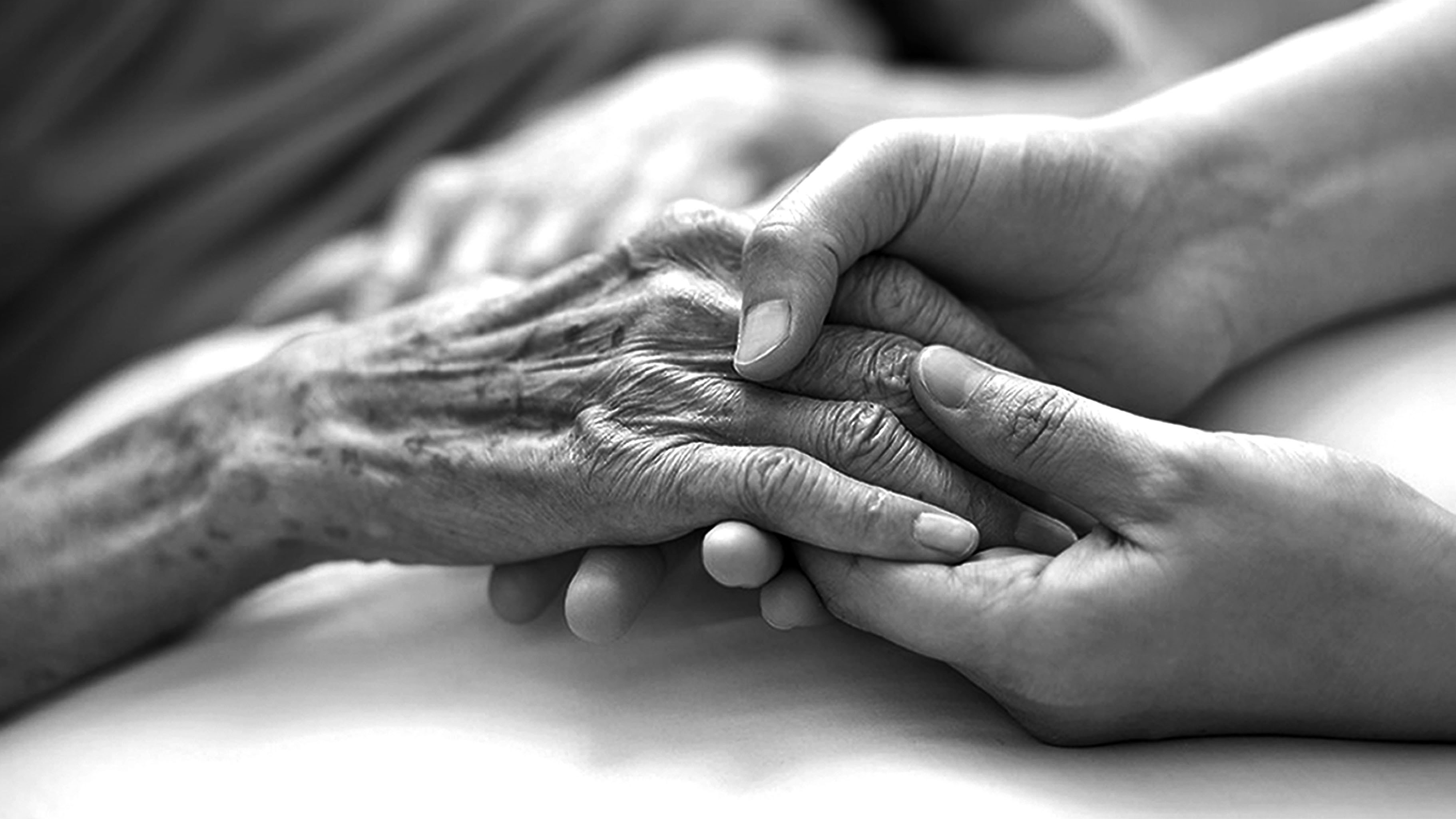
 The purpose of palliative care is to help patients to live as well as possible despite a life-threatening illness. (Photo: lboro.ac.uk / Wikipedia)
A 17-year-old with end-stage liver cancer went to the school dance. She got a phone. She visited the beach for the first time. She got weaker. She Instagrammed photos of her new shirt. She got thin. She WhatsApped her friends. She spent the last few months of her life mostly in bed. Her mother took a month off work to take care of her. After six months, she died.
This wasn’t what they wanted. She wanted to live. But humans have an amazing capacity to adjust to whatever is thrown at us and thrive, even under hardship.
Those last months were difficult, but they were meaningful. Her mother texted the day after she died: “Thank you for all that you have done and for the journey you and the team walked with us.”
I am a palliative care doctor. Generally, physical pain is easy to control. Morphine works very well.
When someone is diagnosed with a terminal illness, it is the existential distress of imagining life without a loved one that is most difficult. The hardest questions are deeply personal: “Who will look after my children?” “We were married for 50 years.” “How will my family survive without his income?”
One family shared recently: “She was the mother of the whole street, not just the family.”
Helping patients and family cope
The purpose of palliative care is to help patients live as well as possible despite illness. Dame Cicely Saunders, the founder of the modern hospice movement, put it best: “You matter because you are you, and you matter to the end of your life. We will do all we can not only to help you die peacefully, but also to help you live.”
We can control physical pain, but patients need support to cope with illness. Families want and need support. They want to take care of their loved ones, even when it is difficult. They want to live and continue to love.
We offered a 35-year-old gastric cancer patient an inpatient bed so he could get IV medication to stop vomiting. He went to a hospice for a few weeks. Then he chose to go home, in suboptimal conditions, because he wanted to be with his children. Was it ideal? No.
Some people might think: “I would rather die than live my last few months at home in bed, dependent, just watching my children play.”
Yet it’s impossible to know how you would feel until faced with such decisions. Would he have rather been playing soccer with them? Yes. Was it difficult? Yes. However, he wasn’t in physical pain. His family wanted to take care of him and be with him as long as they could. We thrive through human connection and love, even when it’s hard. There was value in taking care of him with help.
After he died, his wife wrote: “The palliative care team at the hospital really do make a huge impact, assisting patients to be as comfortable as possible and providing the best advice and medications for the patient. The doctors at the day clinic and hospice are also amazing doctors who really care and go out of their way for the patient and immediate family’s wellbeing during a very challenging time. The need for such caring doctors is in high demand, but the resources seem to be limited.”
South Africa desperately needs more palliative care. It is not a “nice to have”. It is essential. Pain control and palliative care are a fundamental component of universal health care. Everyone is born, and everyone dies. Only about 10–20% of natural deaths are sudden. Most patients and families need support at the end of life, to ease physical symptoms, offer advice, understand what is happening at the end stages of illness and help cope with the grief.
Public palliative care fails WHO audit
South Africa’s public health system just failed a soon-to-be-published World Health Organization audit of palliative care services. Not “needs to improve” or “is working on it”. Failed.
Large parts of our country do not have palliative care. We have patients who travel from rural Eastern Cape to collect morphine or stay in Cape Town rather than going home to die with family for fear that they won’t have access to palliative oncology services or pain control.
Palliative care does not mean that people are obligated to continue futile or life-prolonging treatments. However, it does mean that patients have the right to access medical treatment to alleviate suffering — irrespective of the prognosis, their income, or where they live — and then to die with dignity.
DignitySA is seeking to legally compel the public health system to offer all South Africans a euthanasia service. This means that many patients without access to sufficient oncology treatment or palliative care may only be offered medication to end their lives.
Euthanasia — ‘the opposite of choice’
The government would essentially be saying to many poor and rural patients: “We cannot afford oncology treatment, we cannot afford palliative care, we cannot help you live, but your only option to relieve suffering may be to end your life quickly.” Or patients, stretched thin by the strain of poverty, might feel coerced to end their lives, rather than be an economic burden on their family. This is the opposite of choice.
There are instances in which someone might choose to die early because of intractable symptoms. But these are few and far between. Morphine works exceptionally well for most patients, and patients want to live. Everyone in South Africa, rich or poor, deserves the right to live without pain.
South Africa cannot be distracted by talking about euthanasia before we have universal access to palliative care. It is our duty to build palliative care into South Africa’s public health system such that all South Africans have genuine care and treatment choices. We must help patients live with dignity before offering medically assisted death. DM
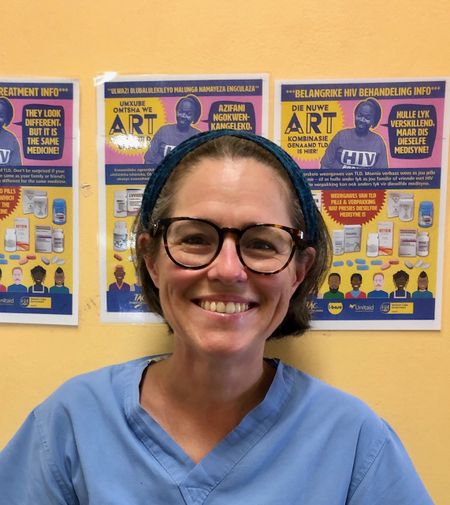
Andrea Mendelsohn is a palliative care doctor working in the public sector. She writes in her personal capacity.
Comments
Scroll down to load comments...