




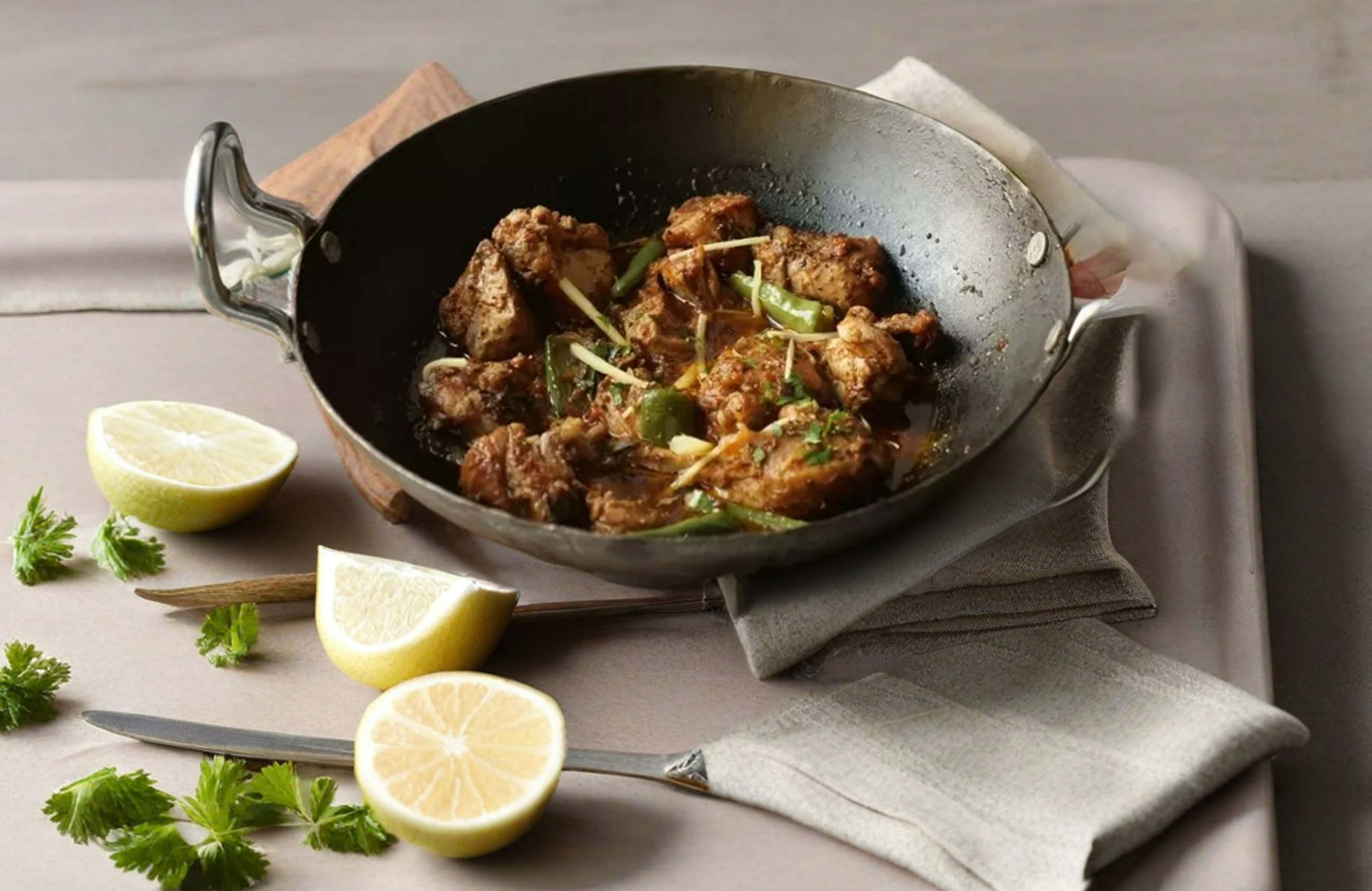
 Chicken livers, luxury on a budget. (Photo: Rimsha Noor on Unsplash)
Chicken livers are divisive. Some folks – myself included – can’t get enough of them. Others are unable to see past their role as an internal organ filtration system for a bird’s body. There are also a startling number of people with childhood horror stories in which they were forced to eat badly cooked, grey, gritty chicken livers under the guise of “good for you”.
Far be it from me to trample on anyone’s formative food trauma, but as a liver lover I feel honour-bound to make the case for this much-maligned meat. No ingredient should be condemned for crimes committed against it in kitchens long past, and the chicken liver’s role as a biochemical sorting system is not nearly as nasty as the naysayers imagine.
Yes, it is an organ that processes substances carried to it in the blood, but it is not hoarding toxins like a sinister sponge. Harmful compounds are broken down or prepared for removal. By the time a chicken liver gets onto a plate what remains is prize, not poison: heme iron, folate, preformed vitamin A, B vitamins, selenium and zinc, all packed into one of the most nutritionally dense pleasures available to the omnivorous eater. Together, these vitamins and minerals support tissue repair, red blood cell formation, energy metabolism, immune function and neurological health.
As with almost all potent foods, moderation matters. Chicken liver contains high levels of preformed vitamin A. Also known as retinol, it can be harmful, especially during pregnancy, where excessive intake has been associated with risks to foetal development. The purine content means that people with gout may need to limit their liver consumption. Those managing cholesterol should be mindful too. There is a slight risk of campylobacter if the offal has been stored incorrectly and undercooked, but do not be alarmed, dear reader. The point is not to banish chicken livers but rather to respect powerful pleasures. Cooked correctly and enjoyed in sensible portions as part of a varied diet, they are gloriously nourishing nuggets of savoury splendour.
Speaking of splendour, economical epicureans take note, chicken livers are the ultimate luxury-on-a-budget ingredient. Their opulent taste and mouthfeel stand in delightful contrast to their status as one of the cheapest sources of high-quality animal protein. Saving cents translates into saving the planet. We all understand that there is an environmental burden associated with meat farming. Poultry generally has a lower greenhouse-gas footprint than beef, lamb or pork but there are still climate change costs involved. If we are going to continue to consume meat – and let’s face it, most of us are – we ought at least to eat every edible part of the animal. To turn up our noses at internal organs such as chicken livers would be wantonly wasteful.
Happily, this is one of those rare and precious moments when ethical obligation arrives accompanied by a superb savoury reward. It would be a terrible mistake to praise chicken livers only for their nutritional and environmental virtues when they are so truly, madly, deeply delicious. And astonishingly versatile too. They are one of the very few foods that are equally appropriate at all times of day. Devilled and set atop breakfast toast, tossed into a lingering lunchtime salad with rocket and ruby red pomegranate arils, piped onto a posh nosh amuse bouche as the sun sets or eaten as a midnight dive bar snack with piri piri and flour-dusted rolls, there is a chicken liver taste treat to suit every occasion, time, palate and wallet.
/file/attachments/2993/WestcliffHotelFlamesrestaurantsundownerchickenliverparfaitwithstonefruitcompotephotoChefRudiLiebenberg_738384.jpg "Chicken liver parfait at Flames at the Westcliff. (Photo provided by Flames)")
Feeling fancy? Head to Flames restaurant at the Four Seasons Hotel, the Westcliff, Johannesburg, where Executive Chef Rudi Liebenberg serves a silky smooth, butter-and-brandy-kissed chicken liver parfait with a stone fruit compôte.
In Cape Town, the Planet Bar at the Belmond Mount Nelson offers peckish cocktail sippers brioche toasts with truffle-topped chicken liver mousse.
/file/attachments/2993/MountNelsonchickenlivermoussewithtrufflesonbriochephotoChefLukeBarry_443645.jpg "Brioche toasts with chicken liver mousse at the Planet Bar. (Photo provided by Planet Bar)")
At La Grato restaurant in East London, Chef Richard Ndlovu specialises in comforting bowls of seared chicken livers tumbled through a glossy, garlicky, smoky, chilli-laden piri-piri sauce. Together meat and marinade become fire then velvet and back again. Be warned, one bowl is never enough. Ndlovu makes the sort of sauce that turns appetite into dependency.
/file/attachments/2993/PiripirichickenliversLaGratorestaurantEastLondonphotoAbsaKotsokoane_553489.jpg "Piri-piri chicken livers at La Grato in East London. (Photo provided by La Grato)<br>")
Pretoria’s Forti Too is where Head Chef Vincent Rathlogo makes magnificent roasted tomato Calabrese-style chicken livers garnished with fried onion slivers. Look out for wonderful winter specials such as tagliatelle topped with ragù di fegatini. Sweet soffritto, red wine, oregano and the meat’s mineral savour, cook down super slowly. The livers almost dissolve into the sauce, giving it an earthy depth and rustic authority. Extra exquisite with a sprinkle of capers and butter fried sage.
/file/attachments/2993/forti-chef-dish_159318.jpg "Chef Vincent Rathlogo cooking and, right his Calabrese chicken livers. (Photo provided by Forti)")
The ragù at Forti Too has its epicurean ancestry in the 4th century CE Roman recipe collection De re coquinaria. One entry suggests combining chicken livers and feet in a sauce made from pepper, lovage, broth, wine and raisins. Another uses chicken livers in a forcemeat for hare.
In an even earlier era, chicken livers were not only eaten but also asked to predict the future. At home, Roman priests and diviners were more likely to read destiny in the entrails of sacrificed sheep, goats and cattle, but when they went to war, warriors travelled with sacred soothsaying chickens.
The appetites of these portable omen-generators could supposedly foretell victory or defeat. Before the Battle of Drepana in 249 BCE, the chickens reportedly refused to eat. On further examination the liver of one such bird was found to be spotted, slimy and swollen. The unhealthy internal organ was an unnerving outcome, but Admiral Publius Claudius Pulcher was not inclined to take fowl feedback. He threw his chickens into the sea, saying as he did so that if they would not eat, they could drink. The Roman fleet was then catastrophically conquered.
We will never know if Claudius Pulcher could have vanquished the Carthaginians had he heeded the poultry prophecy. What we do know is that chicken livers are cheap, chic, environmentally advantageous, nutritious and delicious. To those haunted by earlier offal encounters, I offer sympathy but also encouragement.
Try again, somewhere out there is a perfect parfait, a piri-piri pan or a sage-scented fegatini waiting to surprise and delight you. Properly treated, the chicken liver is not punishment on a plate, but a future favourite waiting in the wings. DM
Comments
Scroll down to load comments...