




 Image supplied
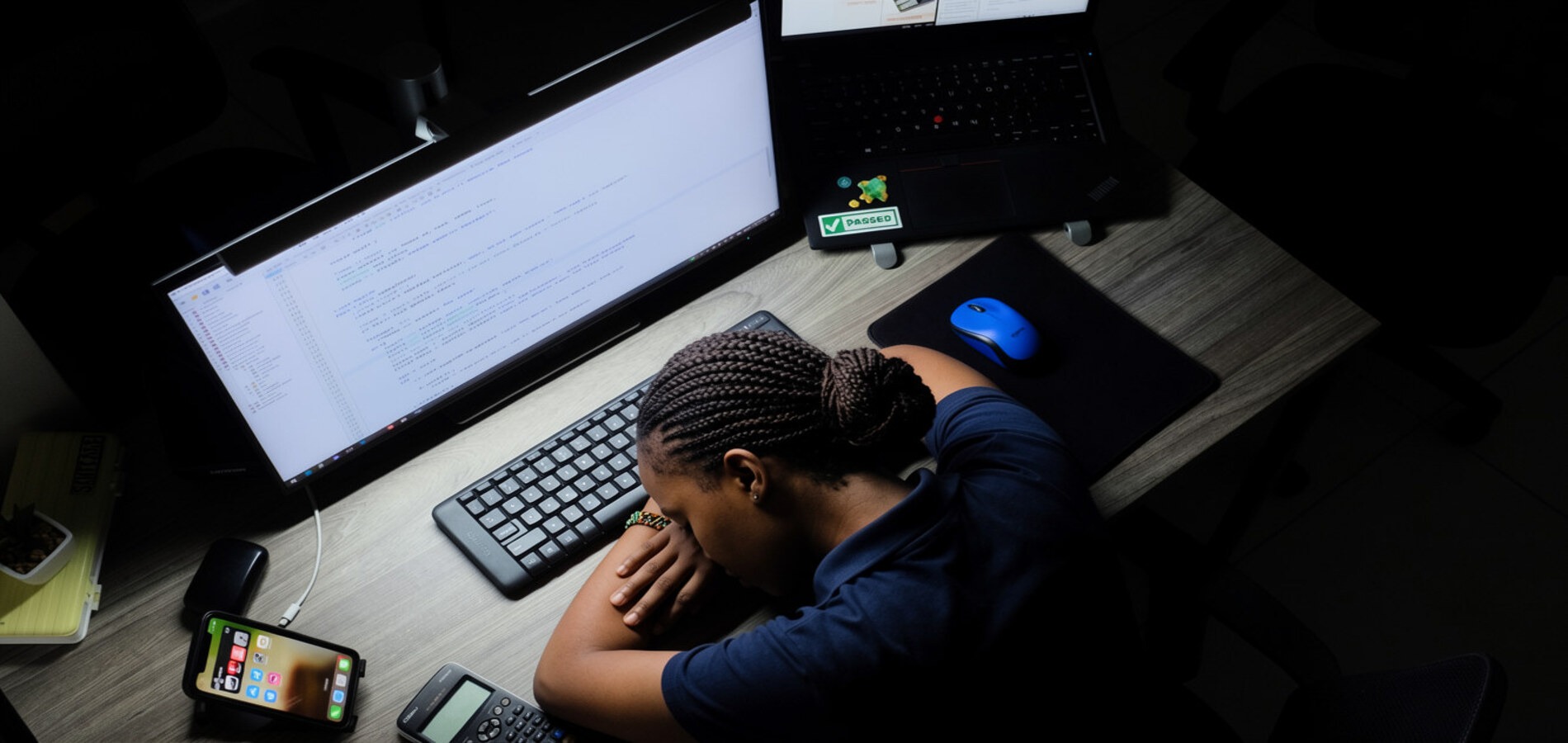
 For years, feeling tired has been a badge of honour in the culture of work. People joke that they need coffee to become human. Executives speak of late nights as proof of commitment. Parents and shift workers frame exhaustion as part of the job.
Yet the science has become increasingly clear that sleep is not merely a lifestyle preference. It is a biological system with consequences for mental health, metabolic health, cardiovascular risk, safety, decision-making and performance.
Moving from wellness to clinical care
That recognition sits behind a new partnership between Strove, the digital health and wellbeing platform, and The Sleep Health Centre South Africa. The move is not simply another content partnership in a crowded wellness market. It points to a more serious question for employers, insurers, brokers and medical scheme stakeholders: what happens when sleep is treated as part of mainstream preventive healthcare rather than as an after-hours personal problem?
Strove’s own data suggests the issue is not marginal. Across its user base, 38% of users fail to regularly get at least seven hours of sleep per night. In any sizeable organisation, a meaningful proportion of people are likely to arrive at work under-recovered before the day has even begun.
Through the new partnership, Strove members will gain access to an introductory Sleep Pathway inside the Strove app, including educational content and practical guidance on sleep health. For members whose organisations subscribe to Strove’s Talk offering, the pathway goes further: they can book initial and follow-up consultations with sleep doctors directly through the app at no cost to them.
The distinction matters. Much of the wellness industry has become fluent in sleep content, from bedtime routines to wearable scores. These can be useful, but they are not the same as clinical assessment.
Some sleep problems are behavioural or environmental. Others are medical. Many are mixed. For an employee who is snoring heavily, waking unrefreshed, battling insomnia, working irregular shifts or struggling with persistent daytime sleepiness, the most valuable next step may not be another article. It may be a structured clinical conversation.
/file/attachments/2993/SleepSoundlyscreenshot_714062.jpg)
The clinical gap in South Africa
The Sleep Health Centre South Africa is built around that clinical gap. Led by Dr Alison Bentley, one of South Africa’s best-known figures in sleep medicine, the centre offers doctor-led assessment, diagnosis and management of sleep disorders and sleep-related problems.
Their ecosystem covers a wide clinical spectrum:
- Virtual care and home sleep testing
- Sleep apnoea and CPAP care
- Insomnia and circadian rhythm support
- Paediatric sleep services and movement disorder support
In cases where simple lifestyle adjustments fail to improve sleep, Dr Bentley and her team bring medical, behavioural and diagnostic expertise to the table.
“People often arrive at sleep medicine after years of trying to cope. They may have been told they are stressed, unfit or simply bad sleepers, when in fact there may be a treatable clinical problem. The value of earlier access is that we can start with proper assessment, separate lifestyle issues from medical conditions, and guide people towards the right level of care.” – Dr Alison Bentley, The Sleep Health Centre South Africa
The hidden health risks
One of the most important examples is obstructive sleep apnoea. It is frequently reduced in public conversation to simple snoring, but clinically it can be far more consequential. Repeated airway obstruction during sleep can fragment sleep, reduce oxygen levels and leave people exhausted despite spending enough hours in bed. It is also associated with hypertension, cardiometabolic disease, mood symptoms, impaired alertness and accident risk.
The challenge is that many people with sleep apnoea do not recognise it as a medical condition, especially if their main symptom is fatigue rather than dramatic night-time awakenings.
Sleep is also closely intertwined with metabolic health. Poor or insufficient sleep can affect appetite regulation, glucose metabolism, insulin sensitivity and weight regulation. That does not mean sleep is a simple solution to obesity or type 2 diabetes, nor that a digital platform can promise clinical outcomes.
But it does mean that sleep belongs in the same preventive-health conversation as movement, nutrition, stress, alcohol, mental wellbeing and access to care. In a country already carrying a heavy burden of non-communicable disease, it is difficult to justify leaving sleep out of that conversation.
The workplace impact: Presenteeism and risk
For employers, the relevance is practical. Fatigue is not only a private discomfort; it shows up in meetings, judgement, concentration, reaction time, morale and safety.
- In office environments: It manifests as presenteeism: being technically at work but cognitively dulled.
- In safety-sensitive sectors: It becomes a material operational risk.
- In leadership teams: Chronic sleep debt quietly shapes the quality of decisions made under pressure.
In this scenario, digital healthcare platforms can play an important role, provided they do not overstate what technology can do. An app cannot diagnose a sleep disorder on its own. It cannot replace a sleep physician, a sleep study or a properly managed treatment plan. But it can lower the friction between concern and action. It can help a member recognise that poor sleep is worth addressing, move them through an introductory pathway, and connect them to a qualified clinician without requiring them to navigate the healthcare system cold.
For Strove, the partnership extends an integrated care model that already includes access to therapists, dietitians and coaches through Talk. Adding sleep health support is a logical broadening of that model. Mental health, nutrition, movement and sleep are not separate silos in real life. A person struggling with anxiety may also be sleeping badly. A person trying to manage weight may be dealing with sleep apnoea. A shift worker may need circadian support as much as resilience training.
“We consider sleep to be a key part of preventive health. Many people know they are tired, but they do not know the associated health risks or where to seek help. This partnership is about making that first step easier while ensuring members can access credible sleep expertise when they need it.” – Dr Jarrad Van Zuydam, Strove
Strove’s partnership with The Sleep Health Centre is unique in the South African ecosystem and a clear sign that sleep health is moving from the margins of wellness into mainstream preventive health. Sleep is deeply human, often neglected, and central to how people feel and function. For employers and insurers serious about prevention, that makes it impossible to ignore. DM
To find out how your organisation can access Strove’s integrated wellness platform and the new Sleep Pathway, visit strove.health.