



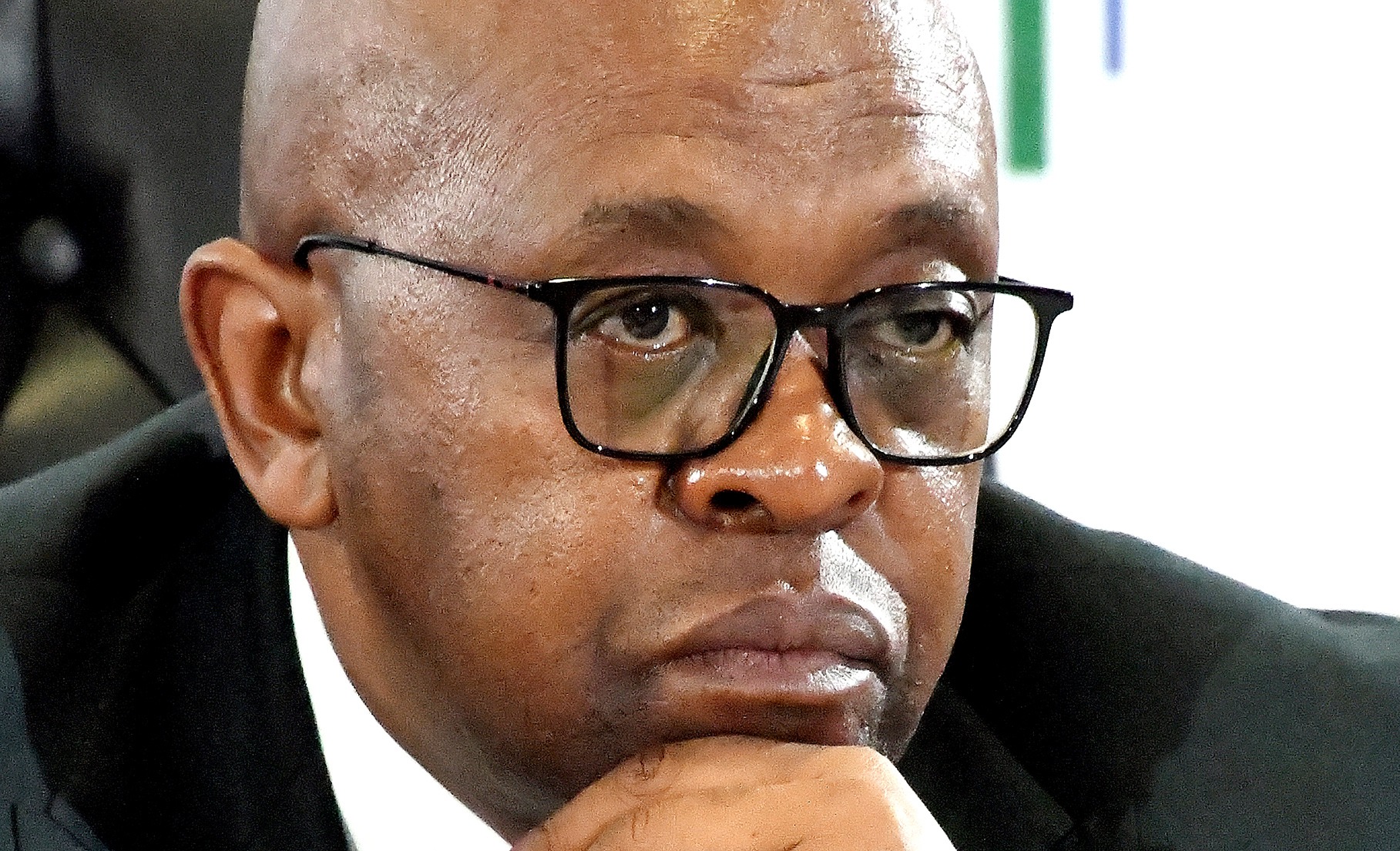
 Justice Mbuyiseli Madlanga at the Madlanga Commission of Inquiry at Brigette Mabandla Judicial College on 16 March 2026 in Pretoria, South Africa. President Cyril Ramaphosa established the commission to investigate and report on the veracity, scope, and extent of the allegations made on 6 July 2025 by KwaZulu-Natal Police Commissioner Lieutenant-General Nhlanhla Mkhwanazi that South Africa’s criminal justice system had been compromised. (Photo: Gallo Images / Frennie Shivambu)
 On Monday, 1 June 2026, policing commission chairperson Justice Mbuyiseli Madlanga ruled that Lieutenant-Colonel Duma’s name may be published for the duration of his testimony, while measures remain in place to protect his identity as an undercover Crime Intelligence operative.
The ruling came after Daily Maverick and Media24 opposed an application for Duma’s testimony to be heard fully in camera, meaning that no aspect of his testimony would have been released.
Duma is now scheduled to take the stand on Tuesday, 2 June 2026, and his testimony is expected to be central to the saga surrounding the theft of cocaine worth R200-million from a Hawks property in KwaZulu-Natal, which has become one of the commission’s most closely watched matters.
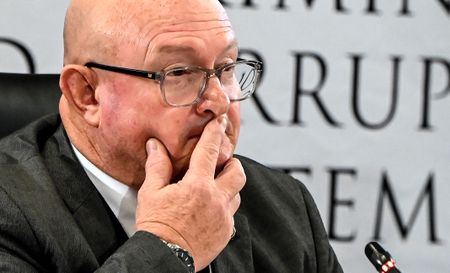
Reading the agreement between the media companies and the commission’s evidence leaders into the record, Madlanga said: “While the arrangement sought to balance concerns for the witness’ safety and privacy, it also ensured that journalists and the public retained access to evidence being presented before a commission tasked with probing allegations of criminality, corruption and political interference within the criminal justice system.
“The compromise underscores the constitutional principle that justice must not only be done, but must be seen to be done. By agreement and consent between the parties, Lieutenant-Colonel Duma’s evidence on 2 June 2026 (or until such time that he is excused by the chairperson) will be heard publicly via audio link, and his face or visual features will be concealed.”
Madlanga added that the media was prohibited from publishing or broadcasting visuals that revealed Duma’s face. Duma’s full name wasn’t mentioned during the proceedings on Monday.
Balancing exercise
The ruling stems from an application on 8 May 2026 by Duma, citing fears that public exposure would get him or his family killed.
The answering affidavit was filed by attorney Charl du Plessis on behalf of Daily Maverick and Media24, and their respective editors-in-chief, Jillian Green and Adriaan Basson, who opposed Duma’s application for his testimony to be heard entirely in camera.
In their submissions, the media parties argued that the commission’s proceedings should remain as open as possible, contending that any limitation on public access must be narrowly tailored and justified by clear evidence.
While acknowledging the need to protect Duma’s safety as an undercover operative, they maintained that the constitutional principles of open justice and freedom of expression required that the public be afforded meaningful access to the evidence presented before the commission.
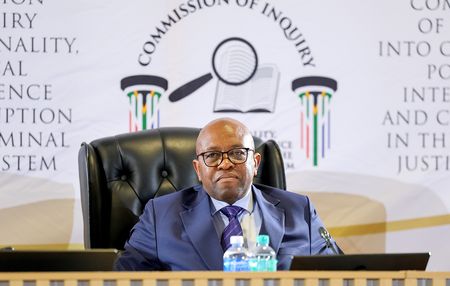
The eventual compromise reflects the balancing exercise advocated by the media legal team between witness protection and the public’s right to know.
Central to this argument is the mandate of the Madlanga Commission itself. Established in July 2025, the commission was tasked with investigating allegations of State Capture, systemic corruption and the infiltration of law enforcement institutions by criminal syndicates. DM