




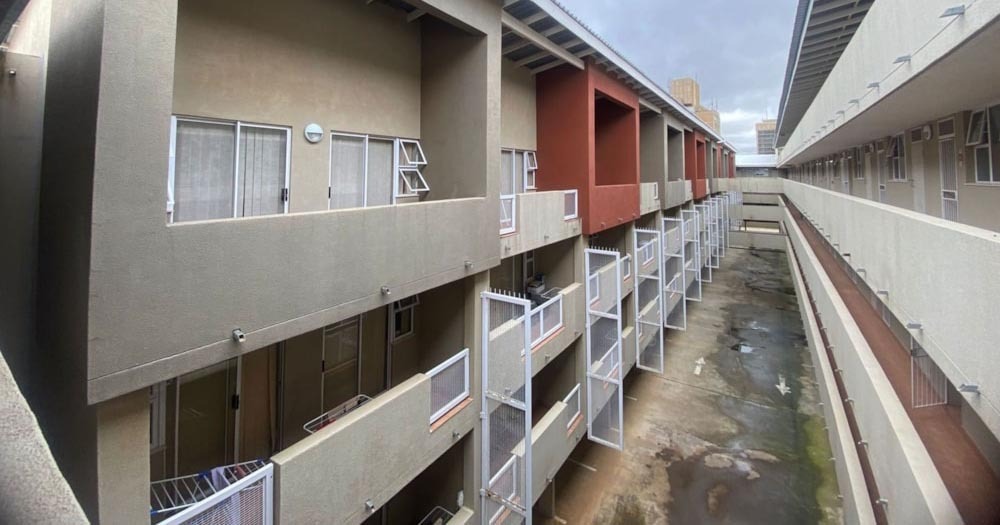
 A flat in close proximity to a varsity can be a good investment if you crunch the numbers. (Photo: Pam Golding Properties)
Question
I bought a flat for my children to stay in when they went to university. My last child graduated at the end of last year. Should I sell the property or rent it out?
Answer
On paper, a flat in a university town sounds like an ideal investment. If the flat is close to campus and safe, easy to maintain and in an area where parents are happy for their children to live, it may continue to attract tenants for many years.
You bought the flat for a specific family reason. It gave your children a place to stay while studying. The property has now changed from being a family-use asset to an investment asset. You now need to judge it with the same cold logic you would use for any other investment.
The good case for keeping it
The main argument for keeping the flat is that university accommodation tends to have a natural market. Every year there is a new intake of students. If the flat is well positioned, you may not struggle to find tenants.
You may also benefit from capital growth over time. A good property in a good area can become a useful long-term asset.
There is also a behavioural advantage. Many people are comfortable with property because they understand it. You can see it, insure it and improve it. It feels more tangible than an investment statement.
The hard part: property is not passive
The word “passive income” is used far too loosely with property. Rental income is not the same as income from a unit trust or money market account. Any tenant comes with administration.
You need to manage leases, deposits, inspections, breakages, late payments and complaints. If you rent to students, you also need to consider wear and tear, noise, neighbour issues and the possibility that the person paying the rent is not the student but the parent.
A rental agent can reduce the burden, but they will charge for it. This fee must be included when you calculate your true return.
Then there are the continuing costs: rates, levies, insurance, repairs, maintenance, security, compliance certificates, occasional repainting, appliance replacement and periods when the flat is empty.
This is why you should not only ask, “What rent can I get?” You should also ask, “What will I actually keep after all costs, tax and hassle?”
Rental income is taxable. It is added to your taxable income and taxed at your marginal rate after allowable deductions.
Property is illiquid. If you need R200,000 quickly, you cannot sell the bathroom. You either sell the whole flat or borrow against it.
The alternative: sell and invest
If you sell the flat, you could invest the proceeds in a diversified portfolio. A balanced fund or multi-asset portfolio typically gives exposure to shares, bonds, property and cash. The objective is usually long-term growth with less volatility than a pure equity portfolio.
This does not mean you are guaranteed 10% a year. Markets do not move in straight lines. But it gives you a reasonable benchmark to compare against the property.
The tax treatment can also be more flexible. If you draw from an investment portfolio, part of what you receive may be capital rather than income. Capital gains are taxed more lightly than rental income because only a portion of the gain is included in taxable income. This can make a properly structured investment portfolio more tax-efficient than rental property, depending on your circumstances.
How to make the decision
Start with the current market value of the flat. Then estimate the realistic annual rental income. Then deduct every cost: levies, rates, insurance, maintenance, rental agent fees, vacancies, accounting costs and tax. Then calculate your net rental yield.
Now compare that with what you could reasonably expect from a diversified investment portfolio over five years, after fees and tax. Then ask yourself three questions.
- Do I want to be a landlord?
- Do I need access to the capital in the next few years?
- Is this property likely to beat a diversified portfolio after tax and costs?
If the answer to all three supports keeping it, then renting it out may make sense.
If the numbers are mediocre, the property is ageing, the body corporate is difficult or you do not want the administration, selling may be the cleaner decision.
A university flat can be a good investment, but it should not be kept simply because it once served an important purpose to your family.
If it produces a strong net yield, has good long-term growth prospects and you are comfortable with the landlord responsibilities, keep it and manage it properly. If not, sell it, pay the tax and redeploy the capital in a diversified investment that is easier to manage, easier to access and better aligned with your future needs. DM
Kenny Meiring is an independent financial adviser. Contact him at 082 856 0348 or at financialwellnesscoach.co.za. Send your questions to kenny.meiring@sfpadvice.co.za
This story first appeared in our weekly DM168 newspaper, available countrywide for R35.
/file/attachments/2992/DM-220526_771918.jpg)
Comments
Scroll down to load comments...