




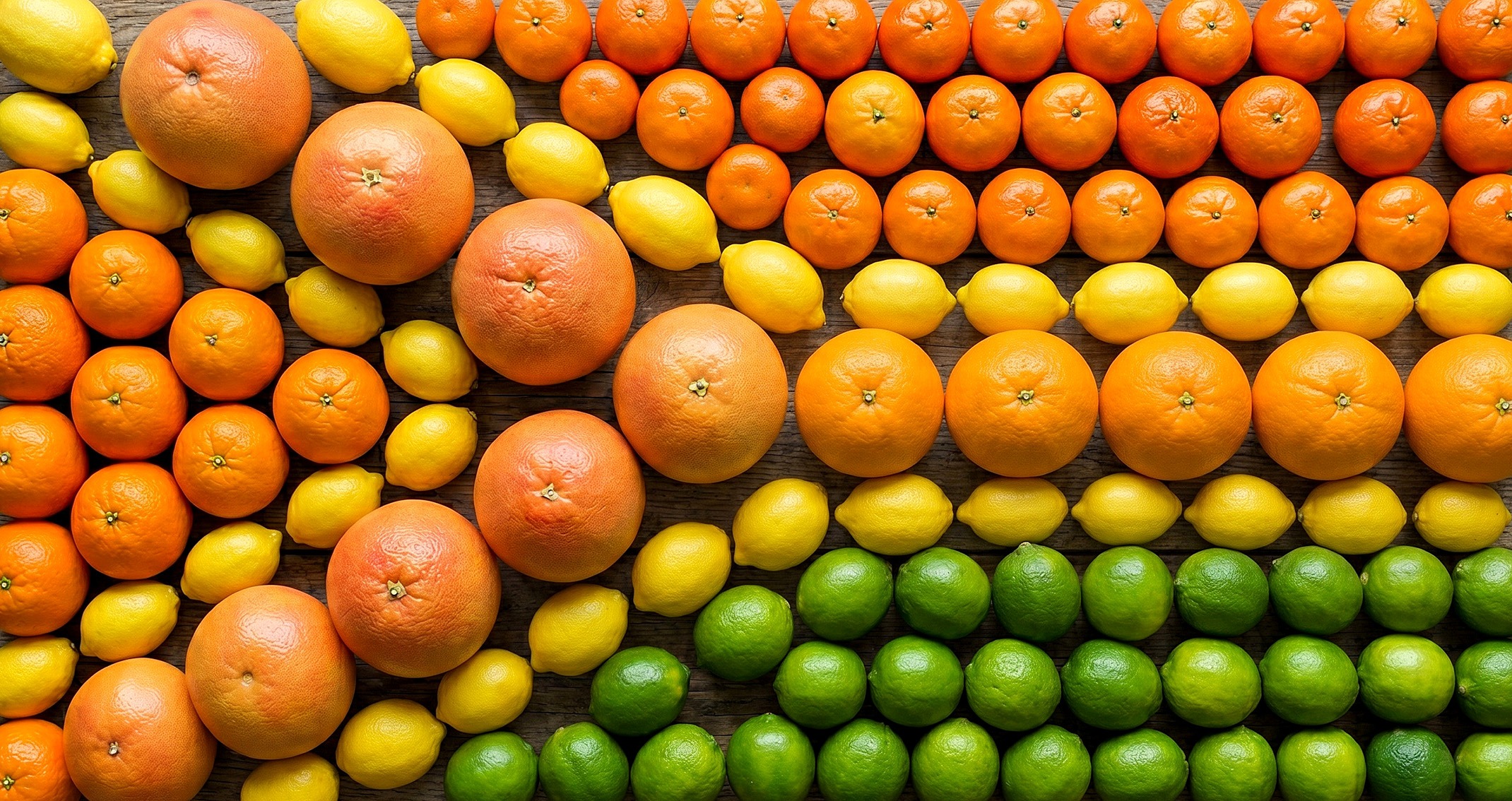
 (Image generated with Google Gemini Flash Image 2.5)
South Africa’s ailing economy just got a welcome shot of vitamin C.
Recently released data showed that in 2025, South Africa surpassed Spain for the first time as the world’s No 1 citrus exporter, and crop failures in key Northern Hemisphere regions such as Florida provide low-hanging fruit that the country needs to grasp and squeeze.
South Africa’s citrus industry in 2025 packed and shipped a record 204 million 15kg cartons of fruit, a 24% increase on the 164.5 million cartons shipped in 2024. For 2026, the Citrus Growers’ Association’s (CGA’s) latest estimate sees that rising to 209.5 million, though this may be trimmed due to flood damage that could reduce the Eastern Cape crop by up to 15%.
South Africa also managed to overtake Spain on this front because of poor weather and structural issues, such as ageing orchards, in that country, which caused a decline in yields. Spanish export volumes were down by 10%, and the 2.9 million tonnes that South Africa exported was marginally higher than the Spanish total.
It is an impressive achievement and testimony to investments in new orchards and simple but costly technology such as netting made by South African growers, which are now paying off as Transnet shifts into a more efficient gear — a fruitful confluence of events.
“We are seeing a return on the investment that growers have been making over the years. If you drive around the countryside, you would see a lot of netting that’s been put up on the orchards,” said Boitshoko Ntshabele, the CEO of the CGA.
"And this has a number of benefits, in that it almost creates a microclimate and improves pest and disease management while providing protection from hail and winds.”
/file/dailymaverick/wp-content/uploads/2025/08/Boitshoko-Ntshabele.jpg "Boitshoko Ntshabele. (Photo: Supplied)")
Ntshabele also noted the improvements at Transnet, which just a few years ago was seen as a thorn in the industry’s side as its performance withered under mismanagement and corruption.
“All the fruit throughout the country during the citrus season was able to move smoothly through the port system, signalling that Transnet is on the right trajectory,” he said.
These trends are taking root against the backdrop of an expected decline in citrus production this year in the Southern Hemisphere.
In its annual forecast for the Southern Hemisphere, released at the beginning of the month, the World Citrus Organisation (WCG) said it expected production to fall by almost 6% to 26.4 million tonnes — and South Africa seems on track to buck that trend.
Window of opportunity
Exports from the Southern Hemisphere are forecast to rise by 4%, in part because of ongoing shortages up north — a window of opportunity for South Africa.
“Last year’s trade boom, namely from the Southern Hemisphere, did not reflect a stronger demand for citrus but rather a shortage of supply in the Mediterranean basin. Southern Hemisphere citrus producers filled that supply shortage,” said the WCG.
Citrus is a seasonal winter crop, and Ntshabele described the relationship between the Northern and Southern Hemisphere growers as a “partnership” that ensured that demand for the product could be met around the world year-round.
And South Africa’s citrus success is in stark contrast to other regions that have long been associated with the fruit.
In the US “Sunshine State” of Florida, the most recent harvest was the smallest in more than a century, with a sharp decline over the past 25 years of more than 95% in the face of a bacterial infection known as citrus greening disease.
One major source of anxiety for citrus growers globally is the soaring input costs triggered by the Iran war and the bottlenecks in the Strait of Hormuz, where 20% of the world’s oil and about a third of global fertiliser supplies pass through.
‘There is great concern in the citrus community over the direct or indirect impact of the Middle East crisis in the region and beyond. The concern regards logistics costs, availability and access to and costs of agricultural inputs such as fertiliser,” said the WCG.

Ntshabele said South African citrus growers were feeling the squeeze, but the escalating input costs were not seen as pruning domestic production at this stage.
“The rising costs are a big concern for our growers, and the price hike in terms of shipping, the growers have to absorb those costs,” he said.
But for now, a glass of vodka and OJ can be raised to South Africa’s citrus sector. It is a rare green shoot in an economy that is barely growing and demonstrates the potential that can be unlocked when the likes of Transnet are on the mend. DM
Comments
Scroll down to load comments...