



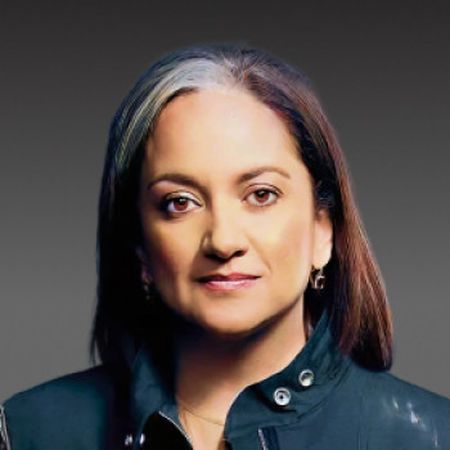
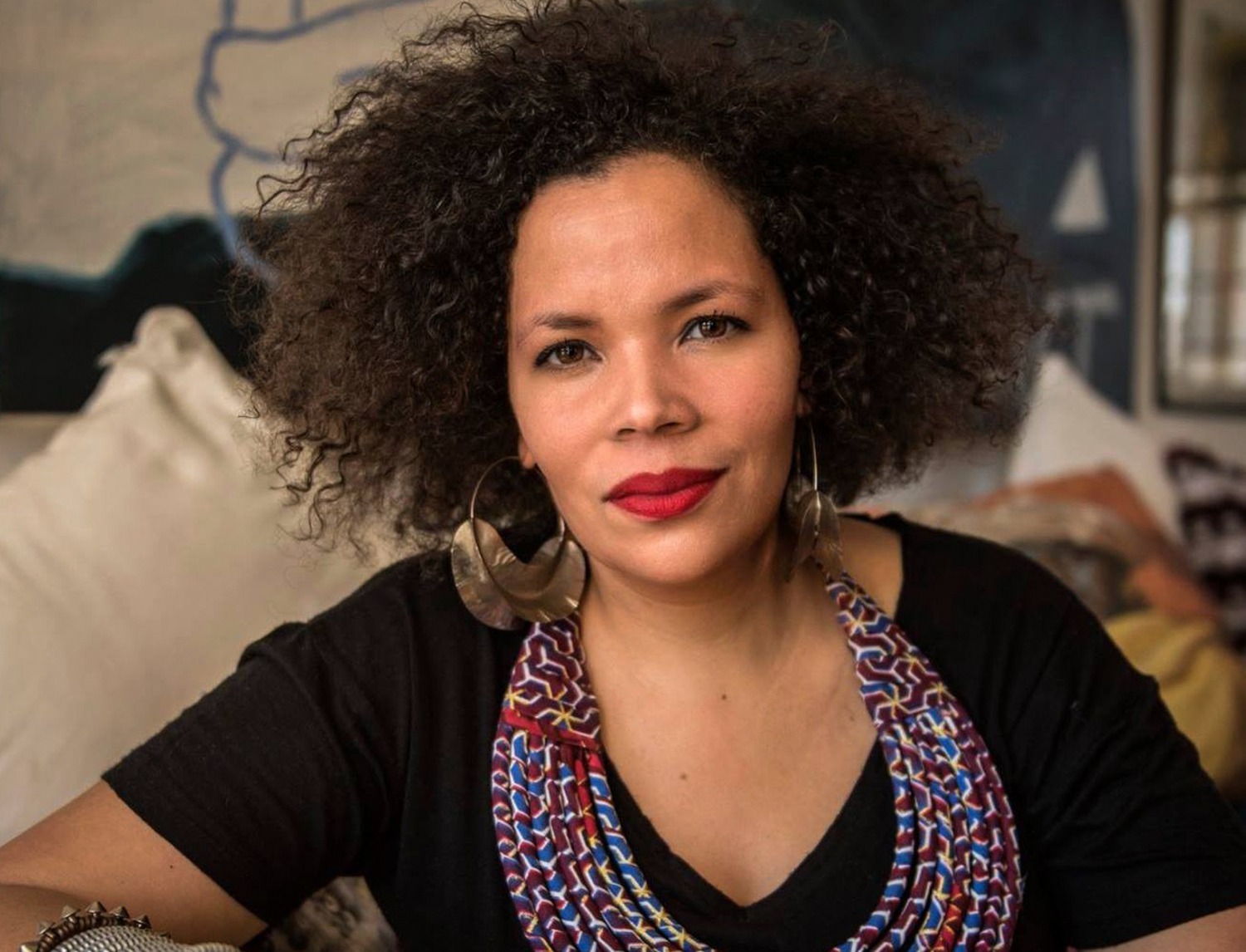
 Maria McCloy, who had a huge impact on Johannesburg’s arts and culture scene, died on 12 May 2026. (Photo: Supplied)
With that Afro and those curls, wearing her own designs in technicolour, her red lipstick like the cherry on top, Maria McCloy was an institution of Jozi, of Mzansi, of Africa, and of the world.
McCloy died on 12 May after suffering heart failure, her family said in a statement. The news cast a Maria-sized shadow over the city as it spread across social and mass media.
/file/attachments/orphans/HILeif7XcAEuj-J_185364.jpg "Joburg’s Maria McCloy, a local icon, died on 12 May 2026. (Photo: Instagram)")
Artists, DJs, journalists, makers, musicians and the wider city shared messages that bore testimony to a much-loved citizen. A journalist who began as an intern at the Mail & Guardian, Maria crafted an early specialisation in supporting and writing about kwaito, the genre that defined the Nineties and became the soundtrack to the early years of a young democratic South Africa.
From there, with her talented crew of Kutluoano Skosana and Dzino Maphanga, they started Black Rage Productions, the content house that wrote the narrative of the music scene in South Africa. A cultural entrepreneur and polymath, Maria then started her own company in which she practised a full range of cultural production. She was a DJ, a designer of wonderful clothes and shoes with a modern African aesthetic that set a tone for its wearers, a publicist and a writer.
Her clients included new and very established artists, and many have spoken about the full heart she gave into putting them on the map. In an interview with Clement Manyathela on 702 earlier in May, McCloy said she thrived on connecting people.
/file/attachments/orphans/688834989_10175195013000529_8336839079048545919_n2_693583.jpg "Maria McCloy in an interview on 702 a week before her death. (Photo: Maria McCloy / Facebook)")
The jazz artist Tutu Puoane wrote about McCloy: “By far the best publicist an independent artist could ask for. No one could connect you the way Maria could.”
Writer Joseph Mabandu wrote: “The passing of Maria McCloy is a monumental moment in our media and cultural story. Maria was a catalytic figure in the invention of contemporary South African pop culture. Together with Kutluano Skosana, Maria was Black Girl Magic before that was even an idea.”
When Manyathela asked what she would have chosen to do differently in another life, another career, Maria replied: “nothing”. She planned to travel the continent more and to establish cultural connections and hubs.
When Daily Maverick’s Johannesburg local journalism hub was created in November 2025, we knocked on Maria’s door and asked her to craft a gig guide for us. The theory we follow is that while the city is being failed by its government, especially concerning infrastructure, it is not a failing city.
Culturally, Johannesburg is an exciting node on the continent for music, design, fine art, tourism, you name it. We could not have chosen a better maven. Maria’s weekly gig guide was easily the most talked-about and loved part of our newsletter offerings.
/file/attachments/orphans/673743501_10175064177985529_2275616693542936585_n_248012.jpg "Maria McCloy. (Photo: Maria McCloy / Facebook)")
People expect that we will investigate the city and write about water and power cuts, the potholes and dongas. But that’s not Joburg’s only story as we know – and Maria balanced our news and brought joy each week. We are so honoured to have published her guide to our cultural lives for these months.
Maria McCloy was 50-years-old, lived in Johannesburg and is survived by her mom and sisters Thandiwe and Natasha, as well as a large number of friends who were like family, too. DM
Comments
Scroll down to load comments...