




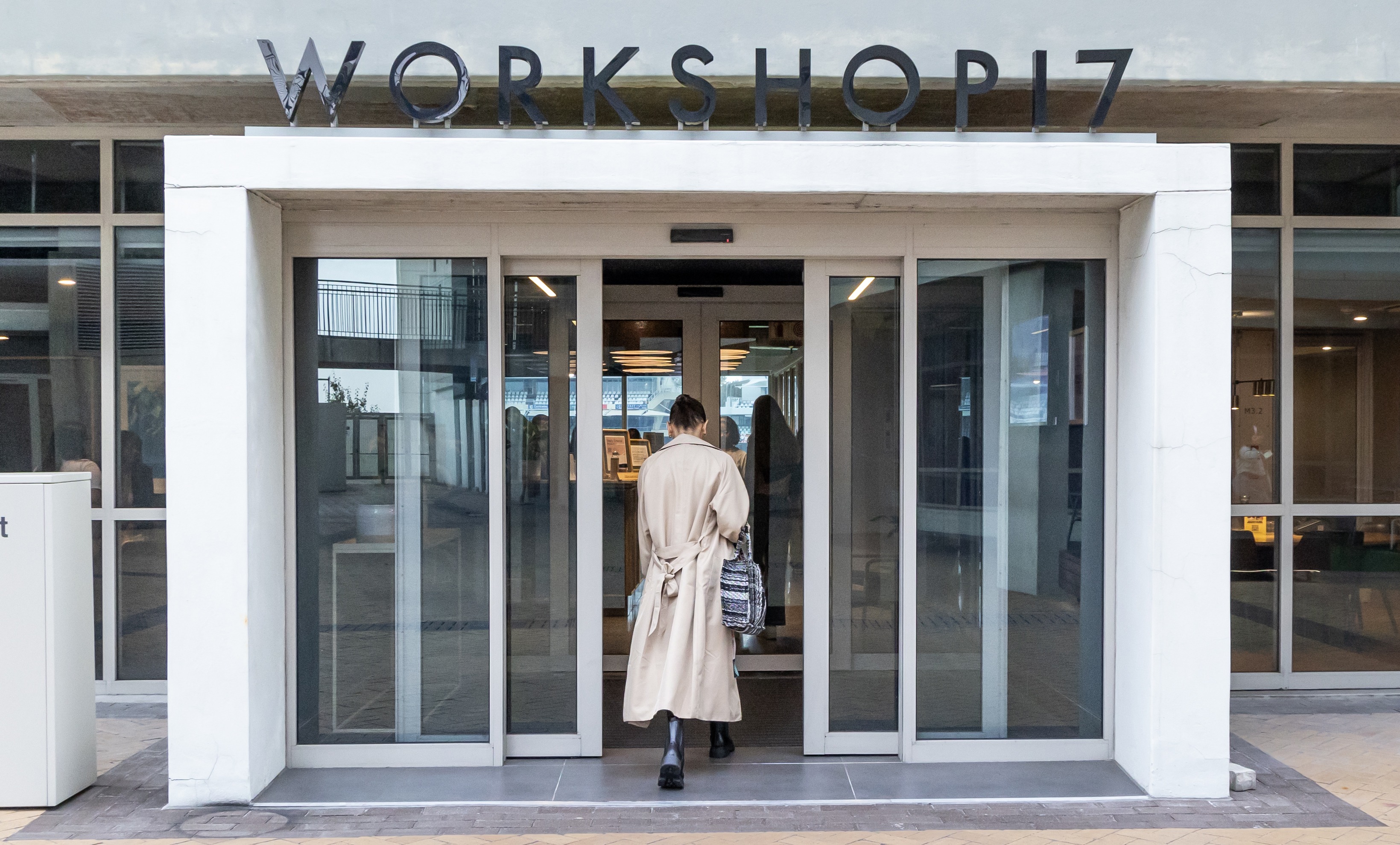
 Step into creativity! Unleash your potential at WORKSHOP17, where ideas come to life.
 Nobody put this in your job description, nobody mentioned it in the interview, nobody handed you the corner office and said, by the way, you will also be fielding calls from the security company at 7 am on a Tuesday. And yet. Here we are.
South Africa’s most capable leaders are spending far too much time on tasks that have absolutely nothing to do with why they were hired. Between troubleshooting boardroom technology, chasing lease escalations, and negotiating with the cleaning contractor, their days and weeks are stretched by conversations that shouldn’t be happening at any level of seniority.
There is a name for this particular invisible tax: it’s called ‘shadow tax’, and it’s the accumulated weight of keeping a building operational while simultaneously trying to run a business and keep that profitable. Research puts the average shadow tax at roughly 15 hours a month, per senior leader - Equivalent to nearly two full working days, every month. Gone, not to strategy, not to their teams, and certainly not to the company's bottom line. For context, it's almost the same number of hours most executives say they need for strategic thinking, for developing their people, for the kind of deep work that actually justifies the salary.
/file/attachments/2991/4M2A4953copy_525309.jpg "Unlock creativity in collaborative spaces! Join us for inspired teamwork today.")
Enter the unbossers
2026 has arrived with a trend that, frankly, should have turned up sooner: Conscious Unbossing. A concept that’s a growing movement among younger professionals, Gen Z in particular, to quietly exit the traditional management track. This isn’t burnout or lack of ambition; it’s the observation that managing people is a skill, and managing a building is a completely different one. Being asked to do both, simultaneously, while delivering results, staying on strategy, and keeping some version of a personal life intact, is not leadership; it’s impossible. And to be blunt, a job nobody wants.
Gen Z has noticed, hence their opting for what is being called the elite individual contributor path, roles where the work is the point, not the infrastructure around it. And organisations paying attention to this are finding that their best people stay longer, think better, and, rather usefully, produce more. The status signal has shifted, too. In 2026, the corner office that used to mean something is being measured against the power of not needing to think about the office at all.
/file/attachments/2991/4M2A2346copy_429930.jpg "Unlock your business potential with ease! Discover more with WORKSHOP17.")
You cannot boss yourself if you are busy bossing the building
The whole promise of Conscious Unbossing, the autonomy, the focus, the shift from manager to coach starts to falter the moment the person at the helm is losing two days a month to facilities admin. You can't handle your team’s real independence while trying to field Wi-Fi complaints and refereeing the AC.
The executives who have worked this out are making a deliberate call by moving into private offices within fully serviced spaces where someone else holds the entire operational brief. The Wi‑Fi. The cleaning. The access control. The security. The event logistics. All of it is handled, so the person who is supposed to be leading can get on with the actual job. The effects are immediate and surprisingly tangible; meetings become sharper, decisions move faster, and teams notice when their leader shows up to coach rather than to administrate.
/file/attachments/2991/4M2A7480copy_225379.jpg "Work meets comfort! Enjoy stress-free productivity with our team at your side.")
For the bosses reading this…
Shadow tax is a structural problem, and structural problems have structural solutions. The most focused, most genuinely influential leaders in South Africa right now are the ones who have worked out what is beneath their pay grade and handed it over without guilt. They’ve fired the building chores to run their company vision.
Here is to a 2026 where the cleaning rota is someone else’s problem. DM