




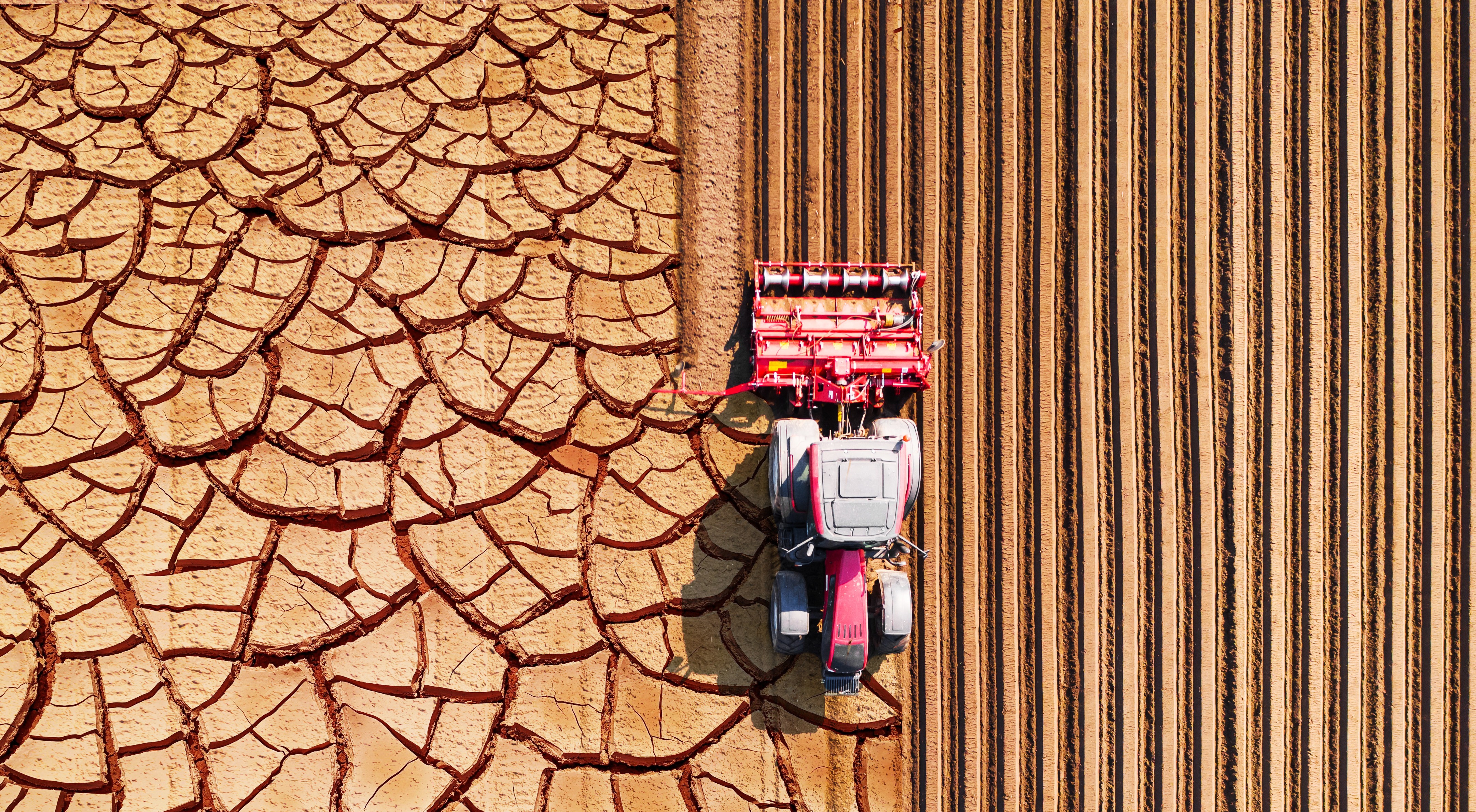
 Illustrative image. The Western Cape faces potential water crisis as below-normal rainfall is forecast for autumn and winter, evoking memories of ‘Day Zero’. (Photos: iStock and Pixabay)
South Africa’s southwestern and southern coastal regions are still expected to have below normal rainfall this autumn and winter, raising concerns about dam levels, water supplies and winter crops such as wheat and canola.
Against this backdrop, a potential super El Niño may emerge as early as this month, and if it remains in place for the rest of 2026 it will probably herald drought in SA’s summer rainfall regions, including the maize belt.
Only SA’s eastern coastal regions are expected to have above-normal rain during the wet winter season. The current indications – which are not set in stone – are that much of SA this year may receive less rain than usual, with drought potentially on the cards.
“The eastern coastal areas are expected to receive above-normal rainfall during the winter seasons, and below-normal rainfall is expected for the southwestern and southern coastal areas during this period,” the South African Weather Service said in its most recent monthly Seasonal Climate Watch, which looks five months ahead – in this case until the end of September or spring.
Dam levels in the Western Cape are currently at only 46% of their storage capacity compared with 57% at this time last year, and are below half of the national average.
Read more: The state of dam levels in SA
This underscores the worrying point that the Western Cape needs all the rainfall it can get during its current wet season, but it could be left high and dry in a region where memories of the looming “Day Zero” remain fresh.
At least dam levels elsewhere – including Lesotho, which supplies the industrial and economic hub of Gauteng – are brimming, thanks in large part to the La Niña weather pattern that recently faded.
It’s where you want dam levels ahead of La Niña’s polar opposite El Niño, which global forecasters predict could emerge as soon as this month – a much faster-than-usual transition between the two.
El Niño is triggered by a spike in sea-surface temperatures above a certain threshold in the equatorial Pacific, while La Niña is a consequence of a cooling of these waters. The two have different impacts across the world, but in our neck of the woods La Niña usually unleashes a drenching while El Niño brings drought.
The World Meteorological Organization says in its latest outlook that there has been “a clear shift in the Equatorial Pacific: sea-surface temperatures are rising rapidly, pointing to a likely return of El Niño conditions as early as May-July 2026” – a view echoed by other global forecasters.
It is important to note that the emerging El Niño is not the driving force behind the relatively dry outlook for SA’s southwestern and southern coastal areas.
Global weather dance
The El Niño-Southern Oscillation – as this global weather dance is called – only really affects SA during the summer months.
“During winter, the southwestern parts of the country are mainly affected by mid-latitude cyclones (or lack thereof) which originate over the Southern Ocean,” Cobus Olivier, a scientist focused on prediction research at the South African Weather Service, told Daily Maverick.
The El Niño-Southern Oscillation is currently in its neutral phase but is fast changing gears toward El Niño. The last such event in 2023/24 was intense and left a trail of parched misery and wilted crops across southern Africa.
The increasing chances of its return this year is high on the radar screens of South African farmers. DM
Comments
Scroll down to load comments...