




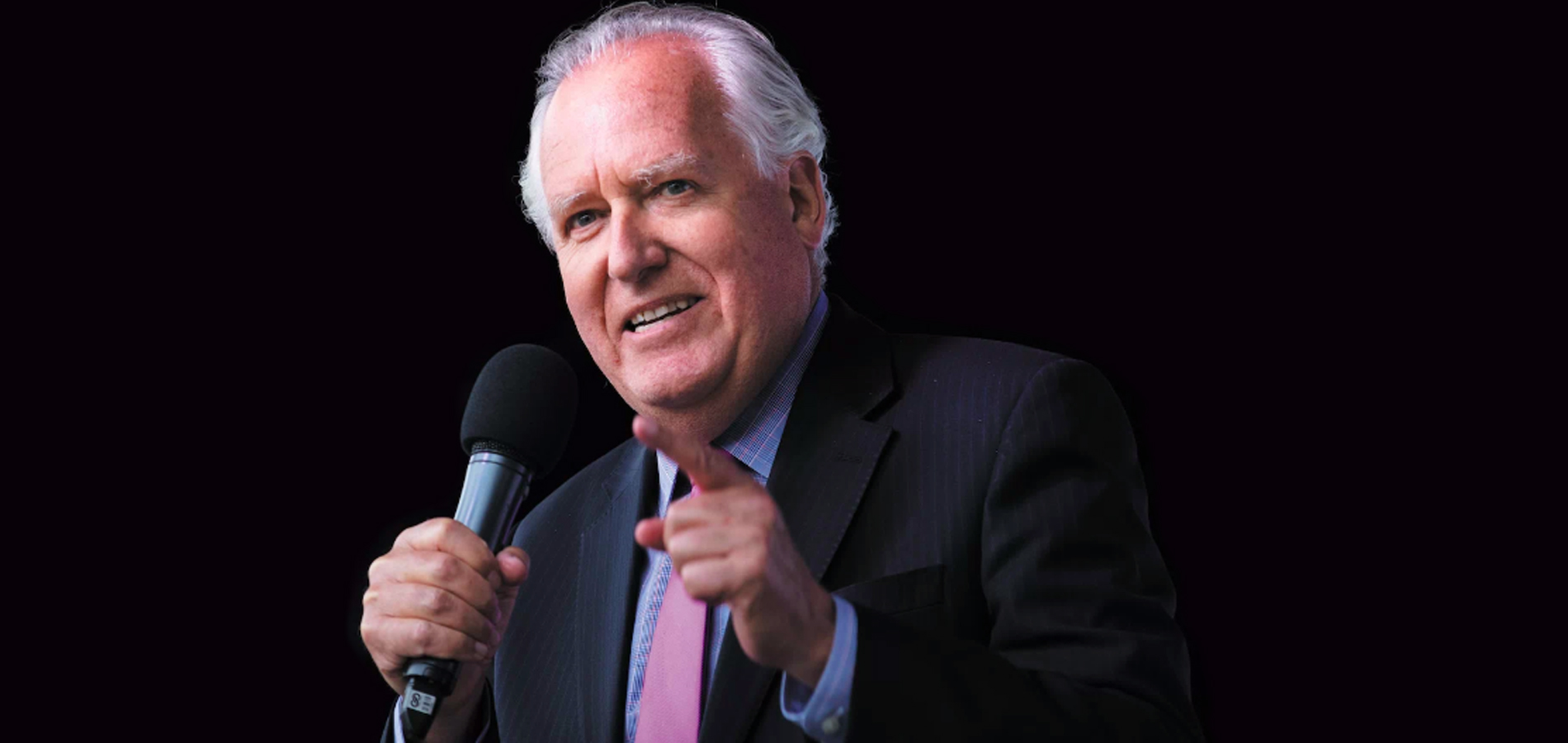
 The Lord Hain.
 HSBC response to Lord Hain
Dear Lord Hain,
Thank you for your letter dated 2 February 2026 regarding Education Africa.
HSBC has looked into the matters raised in your letter, which date back to over 15 years ago. As you have noted, in 2013, a full and final settlement was entered into with Education Africa. The settlement was agreed by both parties without any admission of liability or wrongdoing by either party. The terms of the settlement were confidential, so I am not able to go into any further detail.
Your letter also refers to various allegations by individual staff members of Education Africa. These allegations are not accepted by HSBC, as has been communicated to representatives of the individuals on several occasions over the years, including in correspondence with Leigh Day solicitors. It remains HSBC's position that there is no basis for these allegations and, accordingly, no basis for HSBC to provide the redress you have requested.
HSBC wishes Education Africa well in its future endeavours.
Yours Sincerely,
Claire McLeod: Global Head of Litigation, Regulatory Enforcement and Investigations HSBC Holdings plc
Lord Hain’s open letter
Dear Mr Elhedery,
Thank you for the response provided by your Global Head of Litigation, Regulatory Enforcement and Investigations to my open letter to you of February 2026. As my previous correspondence to you was issued as an open letter in the public interest, I will respond in the same manner. I therefore intend to place both HSBC's response and this reply in the public domain.
Your letter states that the matters I raised were "dealt with" more than fifteen years ago and refers to the confidential settlement reached with Education Africa in 2013. That response does not address the central issue I raised. While HSBC concluded a settlement with Education Africa, the charity accepted that agreement under what I previously described as "extreme financial duress". Crucially, the individuals who were directly harmed by the conduct of HSBC personnel were never party to that settlement. Their claims, submitted through Leigh Day Solicitors in London, were rejected in their entirety. Your response does not engage with this fundamental point.
The concerns I raised arose from a forensic investigation conducted by Werksmans Attorneys in South Africa into the conduct of HSBC personnel acting as corporate trustees of a vulnerable educational charity. The findings included allegations of dishonesty, corporate bullying and manipulation. The consequences were severe. Those responsible within HSBC appear to have remained protected within the institution, while the individuals who had dedicated their lives to expanding educational opportunity for disadvantaged young Africans were left to suffer the consequences.
In my earlier correspondence I referred to these individuals as the "unsung heroes" of Education Africa. For some, the events in question had devastating effects on their professional and personal lives, their financial security and their wellbeing. The passage of time does not diminish those consequences. Nor does it remove the responsibility of a global financial institution to address credible concerns regarding the conduct of its staff toward a vulnerable charitable organisation.
It is also important to note that this matter did not concern HSBC in South Africa alone. As I highlighted in my earlier correspondence, senior figures within HSBC Holdings Plc were made aware of the issues arising from the Werksmans investigation and the subsequent dispute. The eventual settlement with Education Africa was concluded at group level by HSBC Holdings Plc itself. The matter therefore cannot reasonably be characterised simply as a historic local dispute; it raises broader questions regarding how the issue was handled within the HSBC Group.
Indeed, HSBC itself has previously acknowledged serious historic failings long after the underlying events occurred. In 2015 the bank publicly apologised for compliance failures relating to its Swiss private banking operations that had taken place years earlier. The passage of time did not remove the bank's obligation to confront those issues.
In my February letter I appealed to your ethical leadership to resolve this matter "properly and finally, fairly, transparently, and in the best interests of all those harmed." Your bank's response does not demonstrate such leadership. Instead, it relies upon the existence of a settlement with the charity itself while leaving unresolved the position of the individuals whose lives were directly affected. That is not an adequate answer.
As I previously stated, this remains a matter of public interest. The seriousness of the allegations was such that in 2018 I wrote to the UK National Crime Agency requesting that they take them into account in their investigations.
If HSBC genuinely wishes to resolve this matter properly and finally, the appropriate course is clear. The bank should engage directly with Martyn Day of Leigh Day Solicitors, who represents the individuals whose claims were rejected and whose circumstances I highlighted in my earlier correspondence.
I am copying Mr Day into this letter and will be sharing with him both HSBC's response and this reply so that he may contact the bank should HSBC now wish to pursue a fair resolution. Absent such engagement, the issues raised in my earlier correspondence will remain unresolved and will continue to attract public attention. Matters of this nature do not simply disappear with the passage of time. When credible concerns remain unanswered, they tend in time to return to the surface until they are addressed properly.
For my part, I have now set out clearly the public-interest concerns arising from this matter and the route by which they might be resolved fairly. I therefore trust that under your leadership HSBC will recognise that the appropriate next step is to engage directly with Mr Day and those he represents. DM
/file/attachments/2991/DailyMaverick23April2026White_page-0001_968374.jpg)