




 Teachers face overwhelming stress due to relentless workloads, student demands, and administrative pressures, affecting their wellbeing and effectiveness in the classroom.(Photo: iStock)
Every year, new lists of the most stressful jobs in the world are published. In the one I downloaded, lawyers are identified as the most stressed professionals because of their heavy workloads, client pressure and the ethical dilemmas with which they contend. Surgeons are the next most stressed because of time pressures, long hours, sleep deprivation and the risk of error. Firefighters, who deal with unpredictable and dangerous situations, irregular hours and exposure to trauma, are the third most stressed people.
Teachers don’t feature in this top-10 list, but they have done so in other lists. Teaching is a demanding job that is both emotionally and psychologically draining. One high school teacher put it this way: “The workload is relentless. It’s not just the teaching, it’s the data entry, the differentiation, the behaviour management, the emails home. I come home mentally drained most nights, and that’s when the guilt sets in because I have nothing left for my own family.”
Significant amounts of emotional and psychological energy are required in interactions with students who bring their own life experiences and family situations to the classroom. Teachers are expected to nurture, understand and help all students throughout the school day.
The late Professor Ted Wragg observed that teachers engage in as many as 1,000 contacts with children each day through asking questions, giving praise or reprimands, assigning tasks and responding to demands. This means that in a busy school week, they may accumulate up to 5,000 interactions with children.
This intense level of contact contributes to teacher stress. Primary school teachers report higher stress levels than their high school counterparts, and women experience more stress than their male colleagues.
The negative effects of stress
In a 2025 South African study, Yolande van der Merwe and Kezell Klinck found that teachers’ health, day-to-day functioning and career development are all greatly affected by elevated stress.
Drawing on extensive research, they recorded that many teachers reported chronic stress, which can lead to burnout, absenteeism and a negative school climate. Stress was often linked to factors such as workload, administrative pressures and student behaviour issues.
Stress negatively affected their wellbeing and classroom effectiveness. High stress levels can diminish teaching quality and engagement, ultimately having an impact on student outcomes. For instance, teachers experiencing less stress tend to adopt more child-centred teaching practices, which can enhance student learning.
Van der Merwe and Klinck’s study reviewed literature on teacher stress and identified factors ranging from intrapersonal conflicts and interpersonal issues with colleagues, students and administrators to institutional challenges like workplace dynamics and family responsibilities.
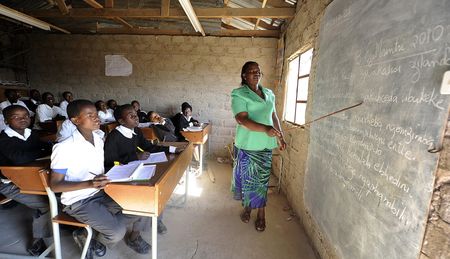
A primary school teacher said of her experience: “I love my students, but the stress of high-stakes testing and admin pressure has made me feel like a robot. I’ve started crying in my car before school. That’s not why I became a teacher.”
Additional stressors included socioeconomic inequalities, health and psychological pressures, transport problems and IT demands. These factors collectively affected teachers’ mental and physical health, job performance and job satisfaction. They argued that understanding these dynamics was essential for creating supportive work environments and informing policy.
In a 2024 study, Anneke Fourie and Werner de Klerk looked at what affects the psychological wellbeing of teachers in SA. Their main finding was that teaching was a stressful job and stress could seriously harm teachers’ mental health. Things like low salaries, poor working conditions, long hours, lack of support from school leaders and difficult relationships with students and parents all made things worse.
They found that teachers who felt confident in their abilities, stayed motivated and could manage their own emotions tended to cope better. The research also found clear differences between black and white teachers: black teachers reported higher stress and more depression, even though both groups showed similar levels of positive mental health. This suggests that historical and continuing inequalities in South African schools affect teachers’ wellbeing.
The importance of teacher wellbeing
The consequences of poor teacher wellbeing are serious. When teachers are burnt out or struggling mentally, the quality of teaching drops, learners get less support and experienced teachers leave the profession. On the other hand, teachers with good wellbeing create better classroom environments, help learners more effectively and are more committed to their work.
Van der Merwe and Klinck observed that stress arose from an interplay of individual perceptions, social dynamics with students and colleagues, and institutional expectations. Any intervention, according to them, cannot be simplistic or solely individual-focused, but must be holistic and address personal, relational and environmental factors simultaneously.
There is a critical need for institutional support systems that promote self-efficacy and professional health, rather than just mitigating the negative effects of stress and burnout.
Van der Merwe and Klinck highlighted three coping categories that offer actionable lessons. Cognitive strategies such as cognitive behavioural therapy teach cognitive flexibility, reframing challenges as opportunities for growth rather than threats.
Non-judgemental acceptance
Emotional strategies like mindfulness emphasise present-moment awareness and non-judgemental acceptance to build resilience and emotional regulation. Behavioural strategies show the power of proactive problem-solving and seeking social support (emotional, informational and practical) and cultivate the belief in the ability to succeed. By integrating practices such as mindfulness, problem-solving skills and social support networks, teachers can build the resilience needed to thrive in demanding school environments.
A positive school climate significantly influences teachers’ stress levels, teaching efficacy and job satisfaction. Factors such as student motivation and behaviour are also impactful. School administrators can play a vital role in creating an environment that supports teachers’ emotional needs. Involving teachers in decision-making processes can help to alleviate stress by preventing overload and ensuring that their abilities are respected.
The researchers concluded that SA urgently needed practical, school-wide interventions – not just stress management programmes, but also efforts to build supportive school cultures, improve working relationships and address resource inequalities. Training that focuses on emotional regulation and classroom management has been linked to lower stress levels and improved teaching quality. Other programmes that are seen as helpful are those related to teacher-child interactions.
Let’s not ignore teachers who say: “You’re expected to be a social worker, a nurse… and a data analyst all while delivering perfect lessons. The stress has given me insomnia and panic attacks. I’m on medication now, and I’m only 28.” Let’s take teacher wellbeing and its impact on student outcomes seriously. The South African Council for Educators and teacher unions must implement genuine interventions that foster supportive school climates and prioritise professional development that deals with stress. DM
Dr Mark Potterton is the director of the Three2Six Refugee Children’s Education Project.
This story first appeared in our weekly DM168 newspaper, available countrywide for R35.
/file/attachments/2990/DM-10042026-001_448919.jpg)
Comments
Scroll down to load comments...