




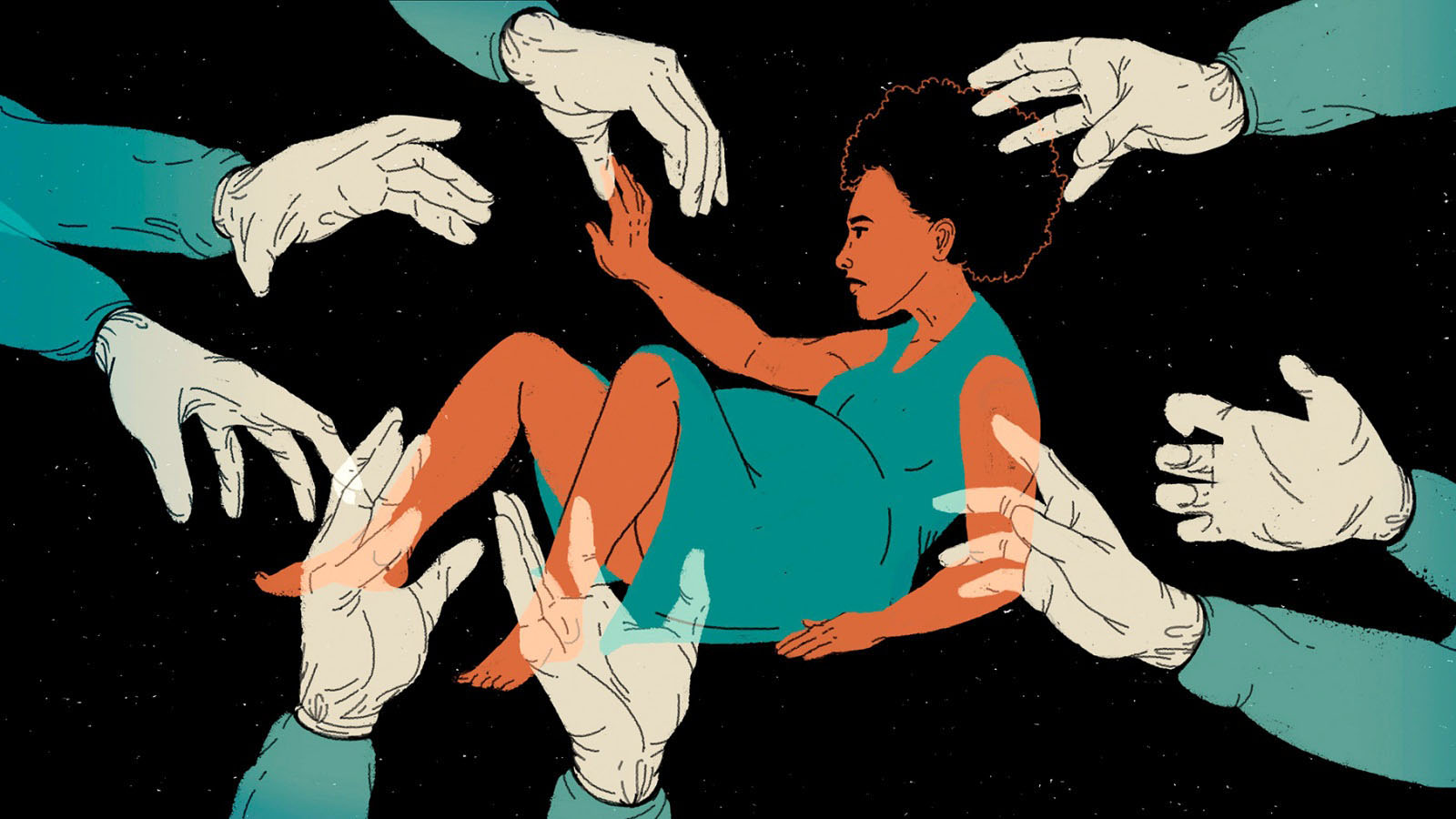
 Obstetric violence includes physical abuse (including the deliberate withholding of pain relief), verbal abuse, neglect, lack of consent, and coercive use (or withholding) of interventions during labour and/or birth. (Photo: vice.com / Wikipedia)
South Africa continues to grapple with alarmingly high levels of gender-based violence and femicide (GBVF). In 2025, nationwide protests over the crisis led President Cyril Ramaphosa to classify GBVF as a national disaster. However, while public attention often focuses on violence in homes and communities, another form of gender-based violence (GBV) is quietly unfolding within the country’s healthcare system.
Obstetric violence remains a largely hidden yet deeply pervasive manifestation of GBVF. Rooted in systematic failures, entrenched gendered power imbalances, and under-resourced health services, this form of violence exposes how inequality and institutional neglect can extend even into spaces meant to provide care and protection.
Obstetric violence is a form of GBV experienced by women during pregnancy, childbirth and postnatal care, and other reproductive health services. It includes denial of care, assault and neglect during childbirth, and forced or coerced medical procedures such as sterilisation and caesarean sections when women seek health services during pregnancy and birth. Mostly women, particularly adolescents, migrants, the poor, rural populations and those living with HIV, are disproportionately affected.
Forms of obstetric violence include physical and verbal abuse, coercion and denial of consent, where health professionals may perform procedures without informed consent or ignoring women’s birthing preferences. Obstetric violence also includes neglect and abandonment, where health professionals refuse to provide care or leave patients unattended during labour, as well as denial of pain relief or companionship while women are in labour. The perpetrators of this form of GBV are doctors, nurses and midwives, hospital administrators and staff.
In 2019 a study done by the World Health Organization (WHO) revealed that there was new evidence that showed that more than one-third of women in lower-income countries such as Ghana and Nigeria experienced mistreatment during childbirth in health facilities. The WHO also found that there were high rates of non-consensual caesarean sections, episiotomies and vaginal examinations. Some of the proposed strategies from this study included improving the informed consent process around medical interventions, and providing sufficient mentoring and support for health workers to help them deliver better quality care.
Summit resolutions
In 2022, obstetric violence was officially recognised as a form of gender-based violence at the Second Presidential Summit on Gender-based Violence and Femicide. The summit resolutions related to combatting obstetric violence, and included plans to strengthen the health system accountability through MECs serving on the inter-ministerial committee on gender-based violence and femicide, and provincial implementation committees respectively. The summit also resolved to also ensure that Chapter Nine institutions such as the South African Human Rights Commission (SAHRC), alongside health professionals and nursing councils, intervene to guarantee investigations into allegations of obstetric violence.
At the end of 2023, during the 16 Days of Activism Against Gender-Based Violence campaign, Embrace: The Movement for Mothers launched a national Birth Survey. The findings were alarming: 53% of women who partook in the survey reported experiencing some form of obstetric violence. The survey found that 23.8% of women said they were ignored while in active labour, 21.9% reported poor postnatal care, and 21.1% said they had been shouted at by healthcare staff. The consequences were significant, including mental health impacts, fear of interacting with the healthcare system, and complications in some women’s physical recovery after birth.
On 27 February 2026, during Reproductive Health Month and Pregnancy Awareness Week, Embrace hosted a “Laundry Day” action where mothers and supporters gathered to raise awareness about obstetric violence and to call for accountability within the healthcare system. During the event, Embrace handed over a memorandum to the Department of Health outlining key concerns and recommendations.
/file/attachments/orphans/iStock-2174917991_443848.jpg "Recent surveys reveal that more than 53% of women experience obstetric violence in SA, including neglect and coercion during maternity care. (Photo: iStock)")
The recommendations included the institutionalisation of respectful maternity care guidelines through the 2024 National Integrated Maternal and Perinatal care guidelines. Additionally, laws should explicitly prohibit non-consensual procedures, health facilities must adopt clear protocols and conduct audits to establish patient-rights offices to strengthen accountability. Increased funding for maternal and newborn care is a necessity, as it would assist with the recruitment and retention of midwives, and with continuous training in consent and trauma-informed care.
Civil society organisations, including SECTION27, attended the Laundry Day event in solidarity with women who have experienced obstetric violence. SECTION27 delivered a message of support recognising that health is central to human dignity and wellbeing, and that what happens in maternity wards is not only a matter of healthcare delivery, but also one of rights, dignity and justice. The organisation also assisted in supporting advocacy efforts around the report through oversight and engagement on related policy briefs aimed at strengthening accountability within the health system.
Comprehensive data set
Shortly thereafter, on 11 March 2026, Embrace officially launched a report titled “The Extent and Nature of Obstetric Violence in South Africa, 2025 Birthing Survey Findings Report”. The findings provide one of the most comprehensive sets of data on women’s experiences during childbirth in SA and highlight the widespread nature of obstetric violence within the healthcare system. According to the report, approximately 60% of people who gave birth in Gauteng and KwaZulu-Natal over the past decade experienced some form of obstetric violence, representing roughly 1.79 million individuals.
The report also highlights the lived experiences behind these statistics. One respondent described her experience as follows:
“I got really scared when the nurse hit me in my face and shouted at me. I was afraid to ask questions. Even though I wanted more children, I won’t have any more because of the treatment I received.”
These accounts demonstrate that obstetric violence is not an abstract concept, but a lived reality for many women and birthing people across SA, often occurring at one of the most vulnerable moments of their lives. Section 27(1)(a) of the Constitution affirms that everyone has the right to access healthcare services, including reproductive healthcare. This protection is also reinforced by section 10, which guarantees that every person’s dignity must be respected and protected.
Furthermore, section 12(1)(c), (d), and (e) provide for the right to freedom and security of the person, including the right to be free from all forms of violence, whether from public or private sources – the right to not be subjected to torture or to cruel, inhumane or degrading treatment. Section 12(2) (a) and (b) go on to further extend the right to bodily and psychological integrity, which includes the ability to make decisions concerning reproduction and to have security in and control over one’s own body.
As we exit Human Rights Month, these findings serve as a stark reminder that the constitutional rights of pregnant women and birthing people including the rights to dignity, bodily integrity, informed consent and access to healthcare, remain under threat in our health system. We believe a meaningful place to begin is with genuine engagement with the recommendations outlined in the Embrace report to ensure that every woman can give birth free from fear, neglect or abuse. DM
Comments
Scroll down to load comments...