




 (Photos: Freepik)
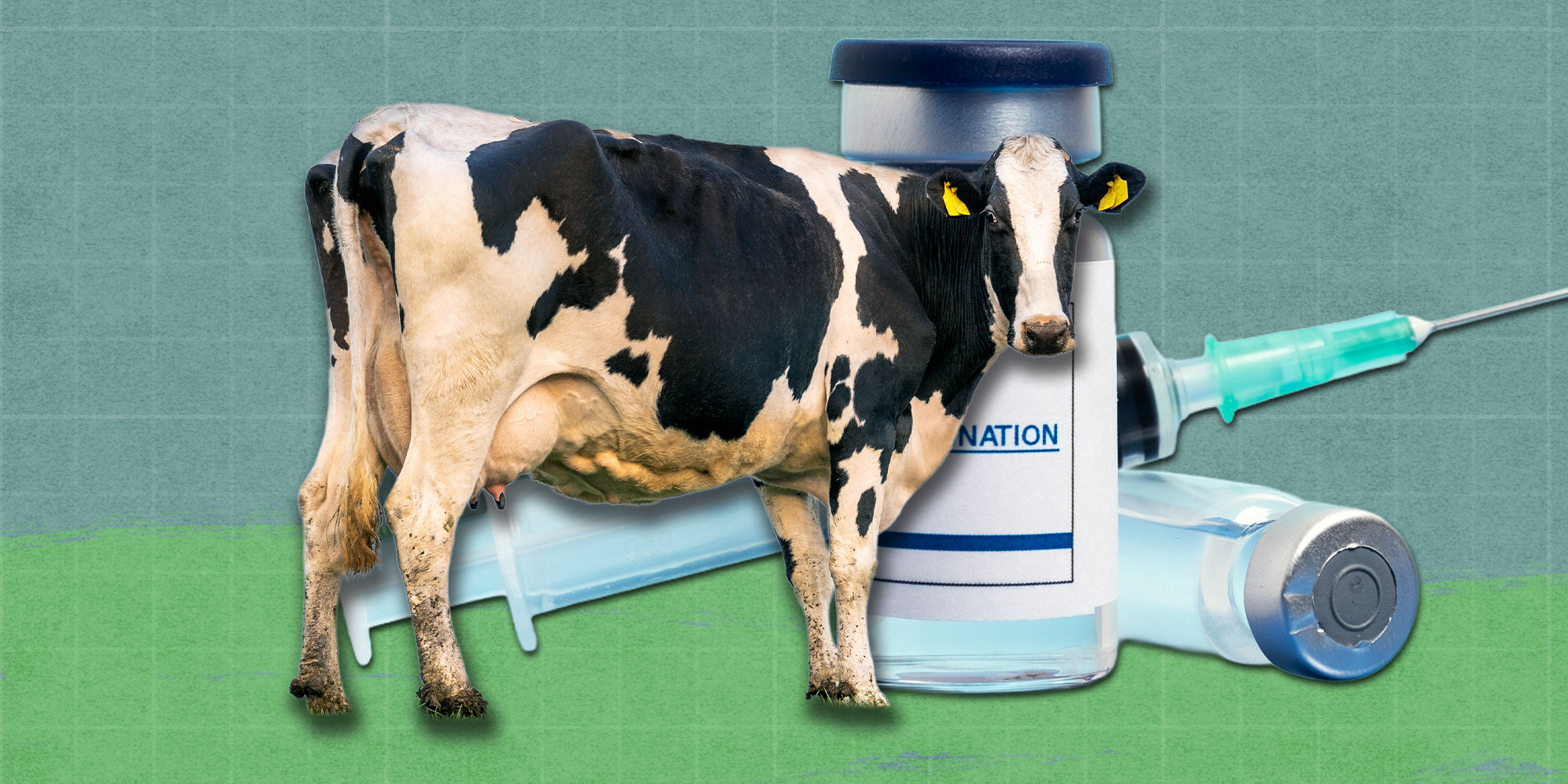
 Agriculture Minister John Steenhuisen unveiled a routine vaccination scheme at the weekend that the ministry said aimed to take a proactive and preventative approach to the foot-and-mouth disease outbreaks that have hammered South Africa's livestock industry.
“It moves the country beyond reactive containment toward a proactive, risk-based system built on partnership, traceability and accountability,” said the ministry.
“It moves the country beyond reactive containment toward a proactive, risk-based system built on partnership, traceability and accountability.”
Routine vaccination, also known as systematic vaccination, refers to an ongoing programme with a focus on prevention and control.
The proposed scheme, which will be voluntary, will fall under a committee drawn from the state and private sectors that will include vets and experts in virology as well as representatives from agricultural associations.
All animals vaccinated under the scheme “... must be uniquely identified and recorded on a national traceability system. This includes branding, tattooing, or electronic ear tags to ensure every animal’s life cycle and vaccination status are monitored,” said the ministry.
“This scheme mandates strict oversight of vaccine receipt, cold chain management and vaccination techniques.”
The scheme has been published in the Government Gazette, and interested parties have seven days from its publication date, Saturday, 11 April, to submit comments.
The rules outlined there are stringent. For example, the owner of animals taking part must keep several records updated, including their Certificate of Participation, tags, vaccination history and audit reports. All of these records must be kept on file for at least five years.
One of the key aims is traceability, and all participants must submit to a traceability system. No estimated costs have been revealed yet, but the Bureau for Food and Agricultural Policy has estimated it could cost up to R13.1-billion.
Efforts to contain the disease have been marked at times by confusion and perceptions of a slow roll-out. The latest initiative will no doubt take some time to get off the ground, but it has the potential to boost the battlefront against the disease. DM