



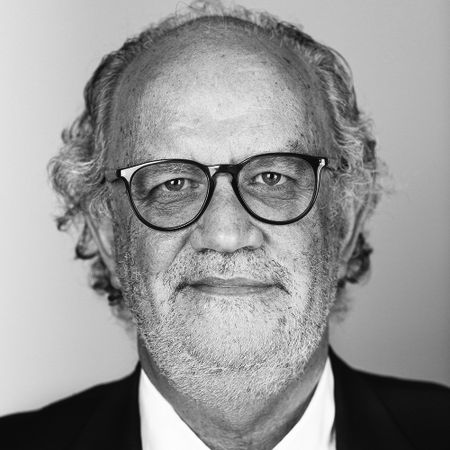
 Managing your retirement income during a slump in the market is essential. (Photo: LinkedIn)
 Question
I will be retiring at the end of June and I am horrified by what has happened to my retirement funds. They have dropped significantly since the beginning of the year. What do I do?
Answer
Your anxiety is understandable. Retiring in a falling market is a real financial problem. There are two things you must bear in mind: markets do recover quite quickly after dramatic falls like the one we are experiencing, and retirement is not a single event. It is a journey that may last 35 years.
The real question is how to stop a temporary market fall from permanently damaging the rest of your retirement.
If you are retiring at the end of June, I would set aside up to six months of the income that you need into a money market fund or a similar low-volatility investment. This will give you a bit of breathing room and enable you to make better decisions.
Two big risks can derail a retirement income plan: sequence risk and longevity risk. Let’s deal with them one at a time.
Sequence risk
Sequence risk is the danger of poor market returns just before or after you retire. This is exactly the kind of environment many retirees are facing now. It is such an important risk because, once you retire, you are no longer putting money into your investments. Instead, you are drawing from them to pay your living expenses.
If markets fall while you are taking an income, you may have to sell investments at depressed prices. That means less capital remains invested when markets recover, and less capital is available to support your income in future.
This is why poor returns early in retirement can be far more damaging than poor returns later on. A weak start can affect the rest of your life. It is therefore important to structure your retirement portfolios correctly and choose the right investment components.
One way to help manage this risk is through smooth growth funds. These funds typically hold back a part of the strong returns earned in good years and use them to support returns when the markets are under pressure.
Given how strong markets have been over the past two years, many of these funds may have healthy reserves. It may therefore be worth considering whether some exposure to this type of strategy could help reduce sequence risk in your portfolio.
Longevity risk
Longevity risk is the risk of living longer than your money lasts. People are living longer, which means your retirement capital may need to provide an income for 35 years.
When you retire into a market like the one we are experiencing, the natural temptation is to move your money into a very cautious portfolio. It may make you feel better now, but it can create serious problems later.
The reason is that your investments still need to grow faster than inflation. Retirement inflation is often higher than normal inflation, particularly because older people tend to spend more on medical costs and other essentials. If your portfolio is too cautious, it may not grow enough to protect your standard of living over time.
This is the central tension in retirement planning. You need capital protection, but you also need capital growth. You need growth assets to produce decent long-term returns, and capital has to be managed carefully and protected as far as possible.
In practice, this often means combining different assets and strategies that behave differently in different market conditions. The objective is not to chase the highest possible return. It is to improve the chances that your income can be sustained through many different market cycles.
To do this, you need to look at using financial structures such as income funds, smooth growth funds, moderate and aggressive equity funds, and hedge funds.
Used correctly, these structures can help you to achieve three things at once:
- Give you enough stability to deal with the current market weakness;
- Reduce the risk of having to sell assets at the wrong time; and
- Keep enough long-term growth in the portfolio to help your income beat inflation in the years ahead.
I would strongly recommend speaking to a good financial planner who can help you to put the right structure in place. A weak market at the point of retirement is unsettling, but it does not have to define the rest of your retirement if your income and investments are structured properly from the start. DM
Kenny Meiring MBA CFP ® is an independent financial adviser. Contact him on 082 856 0348 or at financialwellnesscoach.co.za. Send your questions to kenny.meiring@sfpwealth.co.za
This story first appeared in our weekly DM168 newspaper, available countrywide for R35.
/file/attachments/2990/DM-02042026_907319.jpg)