




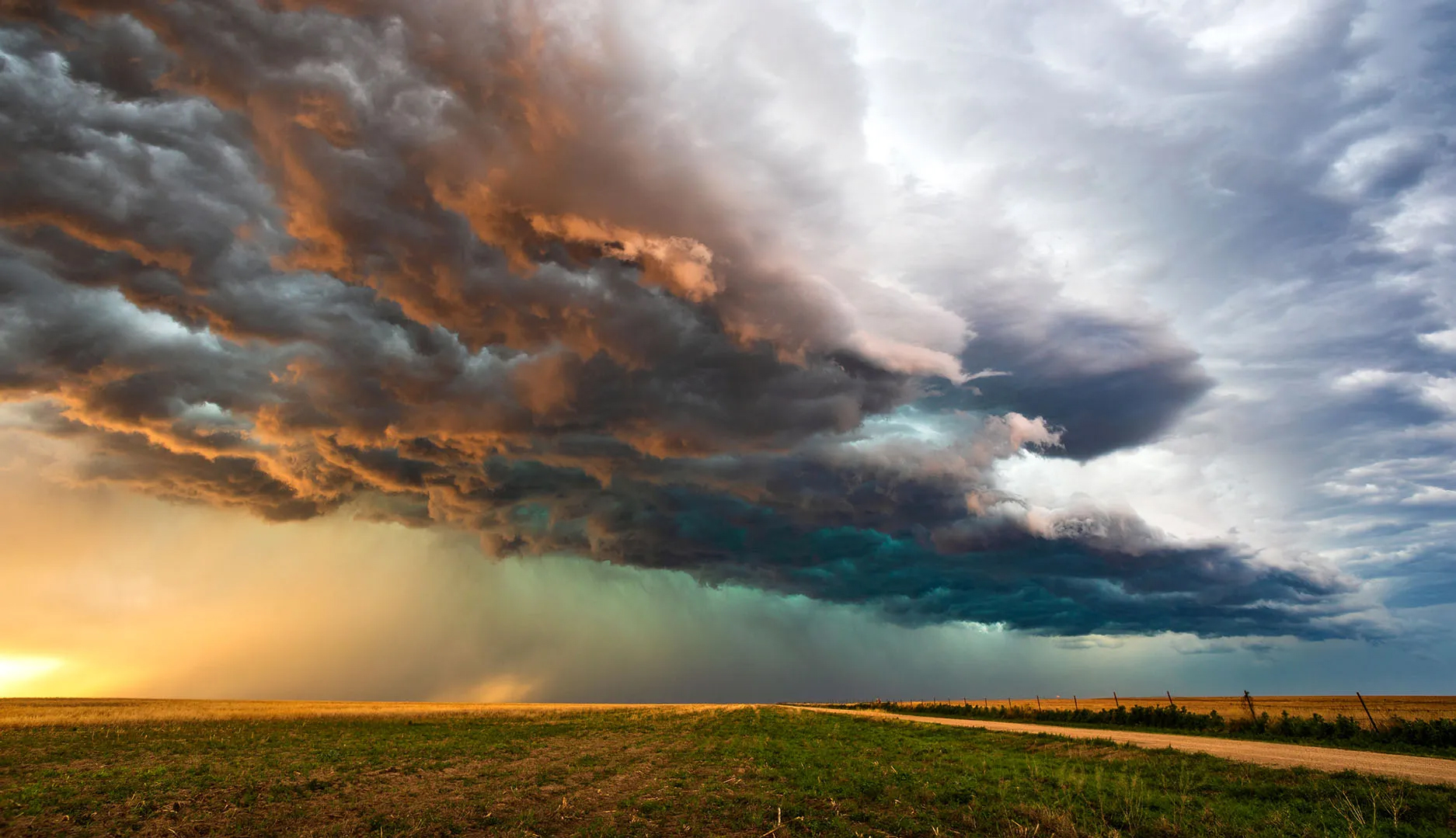
 The SA Weather Service reports a concerning shift to drier conditions in winter rainfall regions of the country, particularly the southwest. Conversely, eastern coastal areas risk flooding, recalling the devastating impacts of recent disasters. (Photo: iStock)
The forecast for South Africa’s winter rainfall regions has worryingly shifted to a drier outlook that extends beyond the southwest.
“The southeastern and eastern coastal areas are expected to receive above-normal rainfall during late autumn, with only the eastern coastal areas expected to receive above-normal rainfall during the winter season,” the South African Weather Service said in its monthly Seasonal Climate Watch report.
This is a change from its forecast last month when it saw the southeast getting above-normal rainfall into the early winter. And its outlook for a dry rainfall season has now been extended from the southwest to the southern coastline more broadly.
“The southwestern and southern coastal parts are expected to receive below-normal rainfall during the winter season,” read the report, which looks five months ahead – in this case for the duration of winter until the end of August.
The dry forecast for the southwest bodes ill for the winter wheat crop at a time of sharply rising fuel and fertiliser prices triggered by the Iran conflict, which at least for now has a two-week ceasefire in place.
Concerning for dam levels
It’s also concerning for dam levels and water supplies at a time of the year when these are supposed to be replenished by the annual winter rains. Western Cape dam levels are currently at about 60%, according to the Department of Water Affairs and Sanitation.
“Below-normal rainfall conditions expected in southwestern and southern coastal parts, coupled with largely forecasted above-normal minimum and maximum temperatures for most parts of SA during the late autumn and winter seasons, are likely to increase water loss, adding pressure on water-scarce regions,” the weather service said.
Meanwhile, the eastern coastal regions that are prone to flooding could experience another season of disaster. Parts of Durban have already experienced floods in recent days, and memories of the 2022 catastrophe remain fresh.
Some regions need to brace for a winter drought, others for potential deluge.
The weather service also said that the La Niña weather pattern was now over and that “current predictions indicate that it will rapidly move towards an El Niño state within the next few months and continue to strengthen up to spring and the start of the next summer season”.
If that forecast proves accurate, then SA’s summer rainfall regions may in turn have a worrying dry spell. DM
Comments
Scroll down to load comments...