




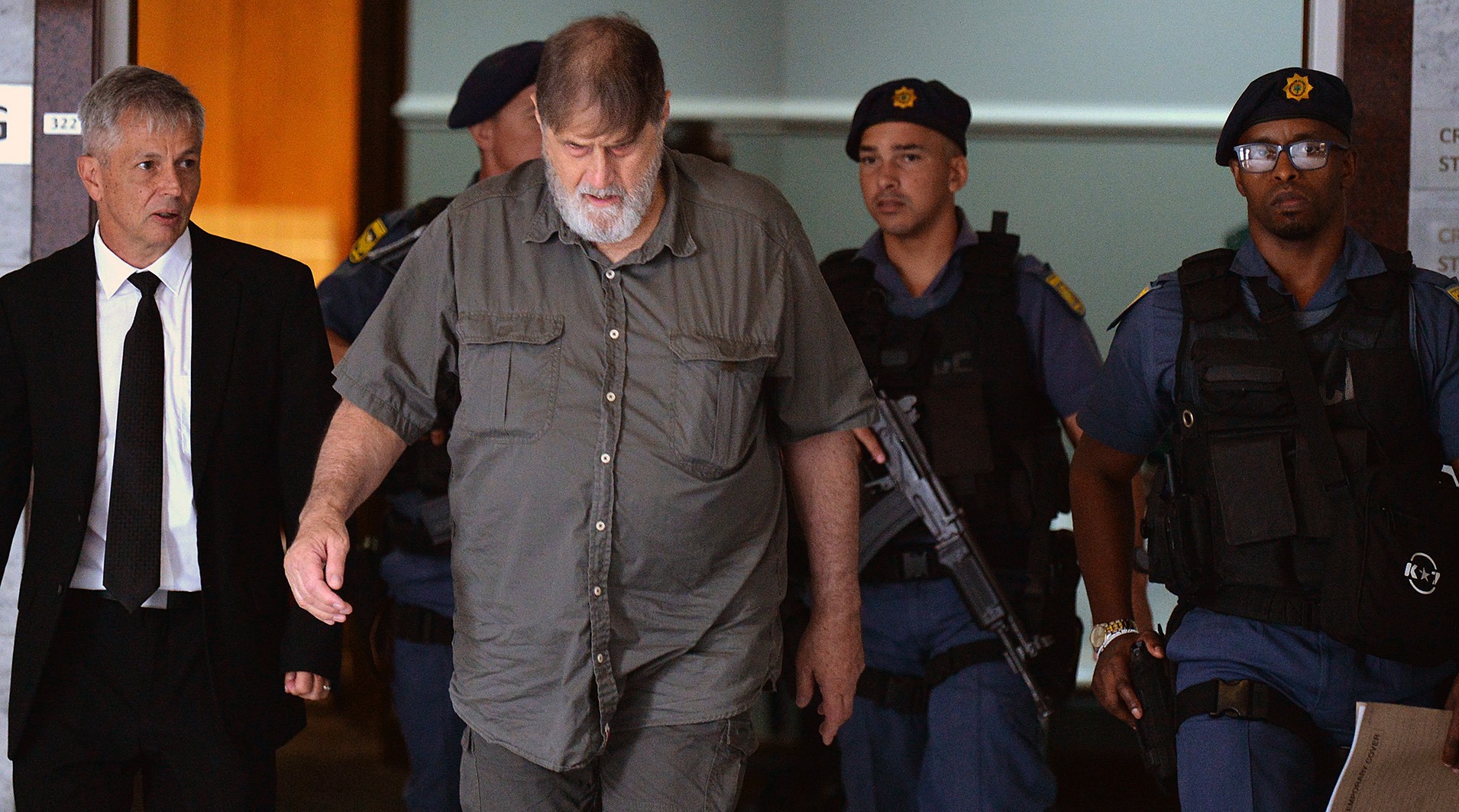
 Eugene de Kock continued his testimony in the Cradock Four inquest at the Eastern Cape Division of the High Court in Gqeberha on Friday. (Photo: Deon Ferreira)
 Eugene de Kock was given a hit list with 33 names – names of people the “higher ups” of the apartheid regime wanted dead.
But upon perusing the list he saw no terrorists, only a handful of political activists he did not consider an immediate threat to the state.
Among the names on the list was “the current president of the country”.
“My attitude was: then why don’t you kill them yourselves? ... They wanted him (Cyril Ramaphosa) dead, and I said he is not a terrorist,” De Kock said during cross-examination at the third inquest into the deaths of the Cradock Four on Friday.
The former Vlakplaas commander and apartheid-era state assassin’s testimony started in the Eastern Cape Division of the High Court in Gqeberha on Monday, 23 March 2026.
His long-awaited testimony into the abduction and murders of Matthew Goniwe, Fort Calata, Sicelo Mhlauli and Sparrow Mkonto, at the hands of the police’s Security Branch in 1985, shed more light on the violent inner workings of the erstwhile police units than it did on the deaths of the four political activists.
De Kock testified that he had no part in their deaths and only became an accessory after the fact when those involved wanted him to alter ballistic evidence to cover their tracks.
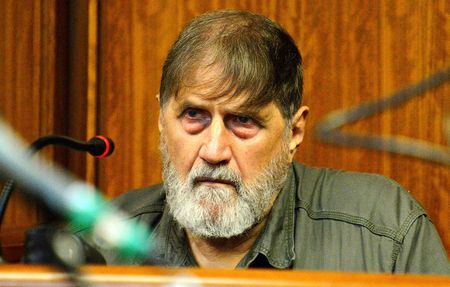
His testimony divulged little more than what had been testified to at the Truth and Reconciliation Commission (TRC) hearings, but once again brought to the fore the ruthless nature with which perceived enemies of the state were hunted down.
But he remained adamant that the Cradock Four were never on his radar. De Kock said his job was to hunt “terrorists”, and the four were political activists.
/file/attachments/orphans/DSC_3874copy_422423.jpg "Eugene de Kock testifies at the Eastern Cape Division of the High Court in Gqeberha on 23 March 2026. (Photo: Deon Ferreira)")
Upon continuation of his virtual cross-examination on Friday, De Kock said he received many names that had to be “removed from society”, whom he refused to execute as they did not fit the bill of his usual targets.
This included a list of names that he claimed also featured Ramaphosa. While he did not act on these names, he said he took full responsibility for the operations he did perform.
It was put to him that during the TRC hearings he said he took responsibility for his actions, but he “refused to take the fall”.
“”I took responsibility for myself, my actions, and the actions of the men under my command. But I’m not going to take the fall for the generals, the ministers, the State Security Counsel,” he responded on Friday.
“I did take the fall however. For everything,” he added.
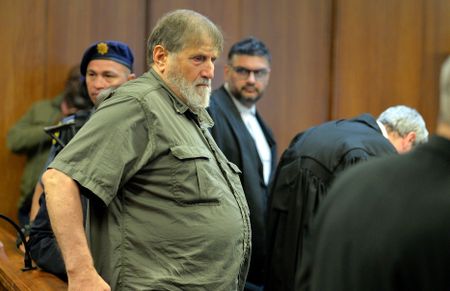
Asked about the chain of command and how the orders for the killing of activists, like the Cradock Four, would be handled, De Kock said he could not speak for others, but his orders came from “high, very high, at one stage presidential”, referring to orders handed down from then president PW Botha.
De Kock was also asked about the old regime’s tendency to orchestrate cover-ups for its atrocities, and was once again asked about the working of the infamous signal that was sent, ordering the deaths of the Cradock Four.
“The words murder, kill, kap sy kop af (chop his head off) would never have been used.”
He reiterated that euphemistic terms such as “take out” or “permanently remove from society” were just the “icing sugar” used to hide their real intent.
He also testified that he had no doubt of the intent to cover up the murders of the Cradock Four when former head of the police counter-intelligence unit, Major-General Isak “Krappies” Engelbrecht, visited Gqeberha and started asking questions about the incident.
“Port Elizabeth (now Gqeberha) had one of the best murder and robbery units in the country. There was no reason for Engelbrecht to go to Port Elizabeth [to help with that investigation].”
He said it was clear that Engelbrecht received orders from “higher up” to ensure there was no evidence linking the Security Branch to the Cradock Four’s murders.
De Kock is expected to come under cross-examination again when the inguest resumes on 6 July. DM