




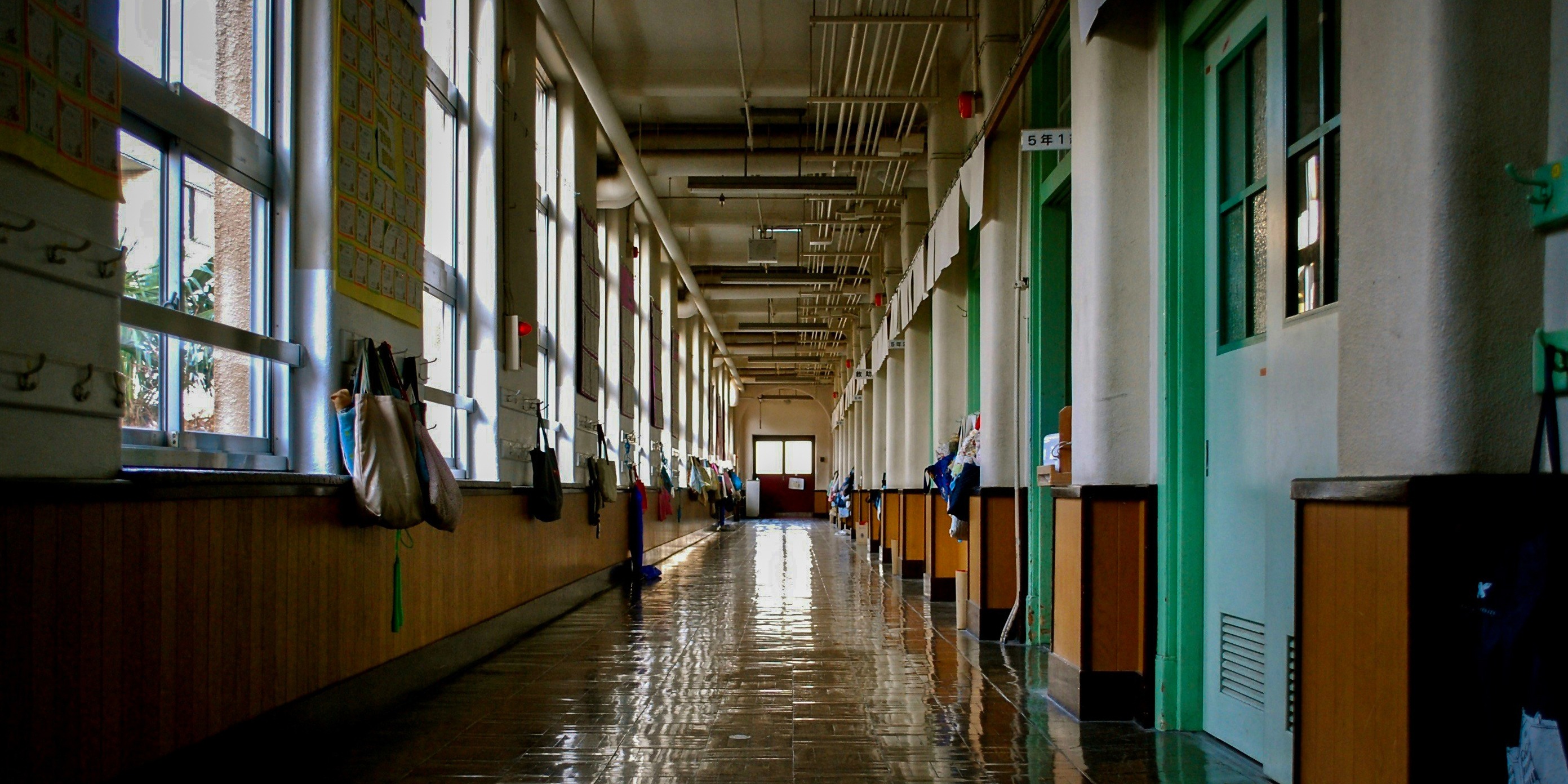
 A total of 138 Section 21 schools in the City of Ekurhuleni owe a collective debt of almost R92-million for water and electricity. (Photo: Kyo azuma / Unsplash)
A total of 138 schools in the City of Ekurhuleni currently owe the municipality R81,970,214.19 in unpaid water and electricity accounts, placing them at risk of imminent service disconnections.
The staggering figures were revealed earlier this month by Gauteng Education MEC Matome Chiloane in a written reply to questions posed in the Gauteng Provincial Legislature. According to the reply, the affected institutions are Section 21 schools, which are legally responsible for managing their own finances and paying for their own municipal services.
Chiloane attributed the non-payment to an increasingly difficult economic climate and several structural misalignments.
“Reasons for non-payment include misalignment between National Norms and Standards allocations and escalating municipal tariffs, and limited capacity of SGBs (school governing bodies) in no-fee and low-income communities to supplement state funding,” Chiloane stated.
The MEC further noted that National Treasury regulations do not apply to public schools, as they are not classified as public entities under the Public Finance Management Act. This distinction leaves schools directly responsible for their utility contracts despite facing budget limitations and cuts that reportedly reach up to 65% in some instances.
‘Perfect storm’
DA Gauteng education spokesperson Michael Waters described the situation as a perfect storm created by a broken funding model. At the centre of this storm, he argues, is the quintile classification system, which is dangerously out of step with the reality of student demographics.
“Take Bedfordview High School, for example. It sounds posh, but most of the learners come from informal settlements. It is classified as a Quintile 5 school, which means it receives the least amount of state subsidy because parents are expected to pay fees. But because of the demographics, most parents can’t pay, so the school is left with no extra money for water and lights,” Waters explained.
He added that Quintile 5 schools were currently facing a 64% reduction in their state budgets, drastically shrinking their available operating funds. Simultaneously, the cost of basic utilities was rising astronomically, with large schools incurring big financial penalties for the high volume of water and electricity required to sustain hundreds of learners each day.
Bedfordview High School currently has one of the highest debts in the district, owing R6-million.
“I was there yesterday. They have solar for the admin block and two computer rooms, but the rest of the school is in total darkness. This is a technical school with state-of-the-art workshops for electronics and fitting and turning, machines that are now just gathering dust because there is no power to run them,” said Waters.
/file/attachments/orphans/Schooldebtvisual_513200.jpg "A detailed breakdown of the unpaid municipal accounts for Section 21 public schools in the City of Ekurhuleni. (Source: Notebook LLM)")
Instruction in the dark
One Ekurhuleni principal, who requested anonymity for fear of departmental reprisal, described the situation as a daily operational nightmare.
“This is a full ICT (information and communication technology) school, which means our entire curriculum is built around the use of smart boards and digital integration. When there is no electricity in the mornings, teaching is effectively paralysed,” he said.
The principal described a school facing a triple threat of operational, financial and infrastructural decay. While the school’s annual fees are set at R12,000 per learner, the reality of the community’s economy told a different story.
“On paper, we should be sustainable. In reality, we receive only a fraction of those fees. We simply cannot collect enough because so many of our pupils come from disadvantaged families who are struggling just to keep food on the table at home,” he said.
The struggle is equally acute in Reiger Park, where another principal reports that despite several meetings with the municipality to draft a repayment plan, the school simply does not have the liquid capital to meet the minimum requirements for a formal arrangement.
The impact on classrooms is immediate and regressive.
“Teachers are no longer able to make copies of assignments or even connect to the internet to research instructional materials. As a result, our teachers are unable to provide their students with the quality of education they deserve,” the principal said.
He added that the school had begun desperate fundraising efforts to purchase solar panels while simultaneously attempting to negotiate a manageable debt settlement.
The departmental directive
To address the crisis and avoid further service disruptions, the Gauteng Department of Education has implemented several urgent measures. These include prioritising municipal services allocations within school budgets, active participation in the Provincial Debt Management Committee, and issuing financial management directives to all schools in the province.
Chiloane stated that the department had also strengthened district monitoring of municipal account payments to ensure compliance.
“The department issued a memo to all schools in the province providing a directive on how they must manage and administer their school funds during the uncertain economic climate faced by the country,” Chiloane said.
Regardless of the budget constraints facing the sector, the MEC emphasised that the department had directed schools to prioritise the payment of municipal services above other costs.
“Schools are expected to adhere to these directives and ensure that they utilise what they have optimally,” he said. DM
Comments
Scroll down to load comments...