




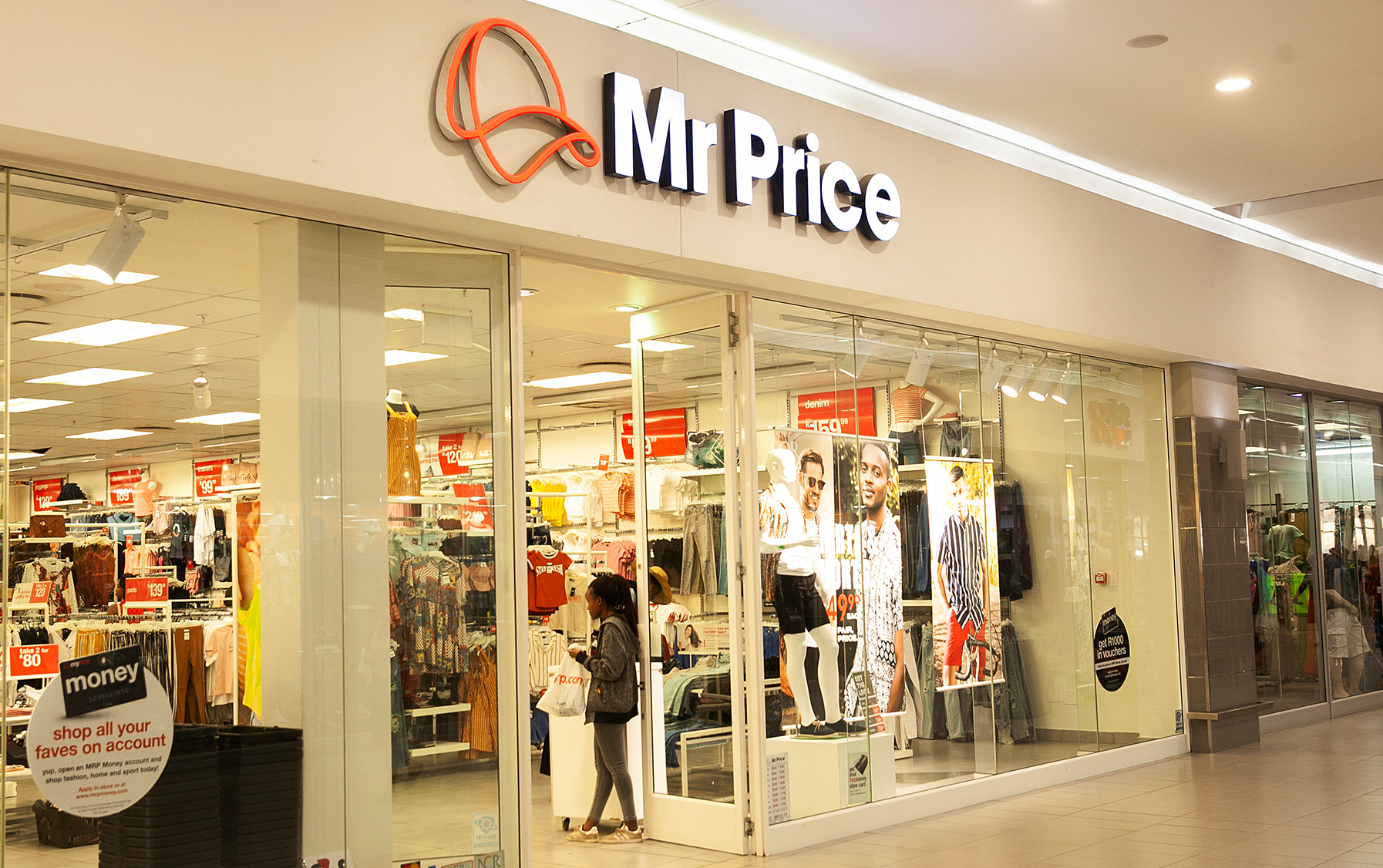
 Mr Price held a Capital Markets Day to placate investors, who’ve raised concerns about the company's acquisition of NKD in Europe. (Photo: Luba Lesolle / Gallo Images)
 The market is clearly voting with its feet on this one. Because of the size of the deal (smaller than a Category 1 transaction under JSE Listings Requirements) and Mr Price’s dismissive approach towards major shareholders, the “sell” button is the only vote available to the market.
Given the sentiment among local investors towards risky offshore deals, especially at a time when South Africa is doing much better than before, it’s hard to understand how the company expected a more favourable outcome here.
To make this investor relations disaster even worse, the market is being forced to work off NKD numbers for the year ended December 2024. This is because the 2025 audit is still in progress. For various reasons, Mr Price isn’t even able to disclose NKD’s pre-audited financials for 2025, so investors are being kept in the dark.
But are these numbers really so outdated? Was FY24 really so long ago?
Here’s the context: the first quarter of the 2024 financial year was two calendar years ago. We are in March 2026, with the market being asked to make decisions based on numbers for a period that started in January 2024. To make it worse, the NKD numbers will only be available when Mr Price releases its integrated annual report in June this year.
Without a detailed circular, a proper view on 2025 numbers or the ability to vote yes or no on the deal, shareholders have been left confused, disgruntled and in many cases, downright furious.
I’m one of those shareholders, by the way – an investor who bought the Mr Price story based on its solid execution in South Africa. Mr Price has been a good reminder that investment risks go beyond the underlying assets that you’re buying. By investing in shares, you’re placing the management team in control of your capital. Like so many other investors, including major institutions, I have been burnt here.
Asking for forgiveness, not permission
Perhaps waking up to the fact that this share price move isn’t great for executive compensation, Mr Price held a Capital Markets Day last week. The company is now in damage control mode, having brushed off shareholders who raised valid concerns when the deal was initially announced.
This event triggered further selling of the stock, so the strategy isn’t working. The market wants to be asked for permission, not forgiveness.
There are 58 slides in the presentation, many of which are designed to convince the market that playing in European value apparel retail is an attractive idea.
History isn’t on Mr Price’s side, unfortunately. Local investors have seen this movie before: South African retail management teams believing that they know how to win in faraway places. There are more examples of failure than success on the JSE, ranging from outright catastrophes to value-destroying offshore campaigns lasting a decade or more.
One of the slides in the pack deals with the considerations of an “organic launch” vs an offshore acquisition. In other words, this is the build-or-buy slide. It’s a golden opportunity for a balanced discussion on the pros and cons of each approach.
Alas, the execution of that slide is less about balance and more about trying to sell the deal to investors. The organic launch side is written with a strongly negative slant, while the acquisition side papers over the risks and focuses on the rewards.
The negative points made about the difficulty of an organic launch are all valid. These include time and complexity in building out the supply change, difficulties in developing a brand, and trying not to be killed off by larger competitors that feel like they are under threat.
This is correct – nobody has ever suggested that building from scratch offshore is easy.
Here’s the funny thing, though: absolutely nobody is forcing Mr Price to do a hard thing and expand offshore. This is an entirely self-inflicted strategy, so it’s not a good look when a company is trying to win support for an acquisition by pointing out how hard the “alternative” is.
The third box that they could’ve included on that slide would be “continue investing in South Africa” – where the pros outweigh the cons. But that wouldn’t suit the narrative, would it?
Promises, promises
The underlying thesis for the deal is fine. NKD is a value apparel retailer, which is a model that Mr Price understands. There’s clearly been plenty of research into the market positioning and how everything fits together in Europe. The deck is filled with slides that management consultants would typically put together, demonstrating the size of the total addressable market and the trends that Mr Price believes are favourable.
With an extensive store roll-out plan, it’s important to note that NKD can self-fund this strategy. It achieves capex payback after 2.4 years, with stores maturing after three years.
Store-level profit margin varies between 16% and 20%. Shopping centres actually offer the lowest margins, as these stores are trading near multiple competitors. The best stores in terms of margin are in main shopping streets (high footfall) and on the outskirts of towns where there is limited competition. With NKD enjoying multiple store formats, it can look to optimise the footprint.
NKD itself is probably a decent business. The market’s concerns are less about the business model and more about the risks of Mr Price overpaying for the shares and incurring debt for the deal. With private equity sellers on the other side, it’s unlikely that Mr Price has acquired NKD on the cheap.
The pack discusses important financial targets. They expect a 6.5% compound annual growth rate (CAGR) in sales from 2024 to 2030. They are aiming for an earnings before interest and taxes (Ebit) margin to increase from 4% in 2024 to between 8% and 10% in 2030. If this happens, and it’s a big if, then Ebit would grow at a CAGR of 15% to 20%.
The pack also includes two of the most dangerous words in finance: “multiple unwind”. This is a technical term that can be paraphrased as this: the valuation multiple for the deal will look high based on current profits, but they hope that in a few years from now (if earnings grow as planned), it will actually look cheap.
Reading between the lines, I take two things from this. The first is that 2025 profits at NKD are probably weak, hence the multiple needs to unwind from a number that the market probably won’t like. The second is that Mr Price has surely paid for much of this growth in advance, as the private equity sellers wouldn’t just walk away from a company where the Ebit multiple will double in the next few years.
Thanks to the disclosure in the deal, reading between the lines is all we can do until June. And if there’s one thing the market hates, it’s uncertainty. This deal might be a success in the end, but there are lessons to be learnt about the danger of treating your shareholders with disdain. DM