




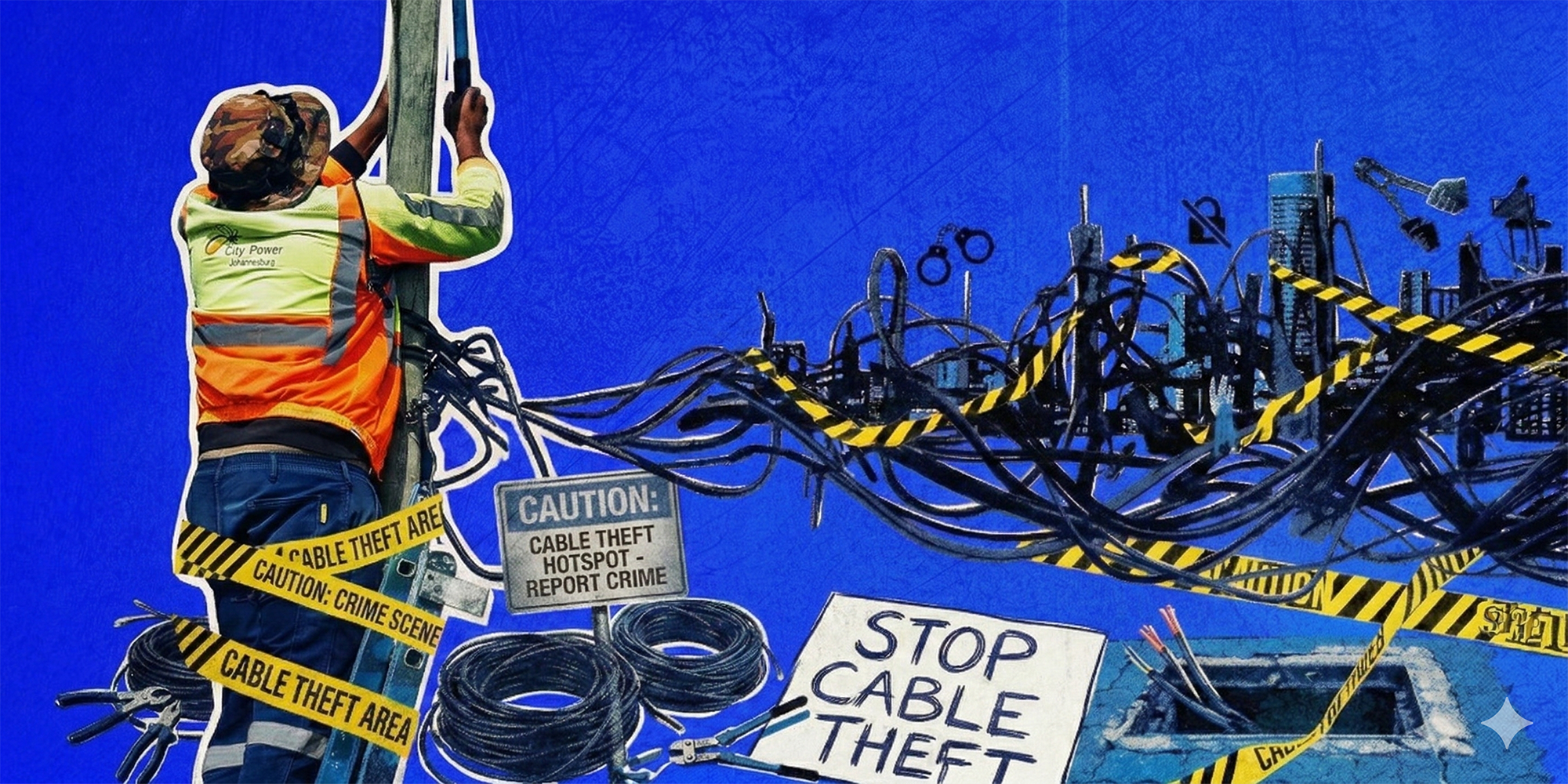
 Illustrative image showcasing the cable theft situation in Johannesburg.
(Photo: Gallo Images / Sharon Seretlo; Illustration: Kevin Momberg)
Illustrative image showcasing the cable theft situation in Johannesburg.
(Photo: Gallo Images / Sharon Seretlo; Illustration: Kevin Momberg) In an interview with Daily Maverick, a 49-year-old cable thief, who said he had left the business but asked to remain anonymous, described how he accessed Johannesburg’s underground tunnels by paying security guards.
“It’s very easy to access the tunnels to steal cables,” he said.
For five years, he trawled City Power’s underground tunnels, stripping cables.
“All you need to access the underground is cash, and it must be hard cash because it’s a high-stakes game characterised by a complete lack of trust,’’ he said.
“The security guards who sell access to the underground are very clear about not accepting payment other than cash. You cannot eWallet them.”
In the seven months from July 2025 to January 2026, City Power suffered 652 incidents of cable theft and vandalism, which the utility said outstripped its ability to repair the infrastructure, leaving communities without electricity for extended periods. From January to June 2025, City Power recorded 481 incidents.
/file/attachments/2989/unnamed6_394731.png)
While dozens of people were arrested in Joburg for cable theft last year, the thief who spoke to Daily Maverick said his luck ran out when he was caught by community members in his own neighbourhood, Freedom Park, Soweto, for stealing copper cables and beaten to a pulp.
“The first time I did this five years ago, I paid two security guards an amount of R450, but over the years the guards have been demanding more and more money as the City tightened security by bringing in more guards,” he said.
“During my last trip before I quit in November 2025, I had paid another two guards an amount of R750.”
Stealing from a struggling system
City Power spokesperson Isaac Mangena described the impact of cable theft in Johannesburg as “severe”.
“Beyond the direct cost of replacing stolen cables, transformers, and mini substations, the greatest cost is borne by communities who are left without electricity for extended periods while repairs are undertaken,” Mangena said.
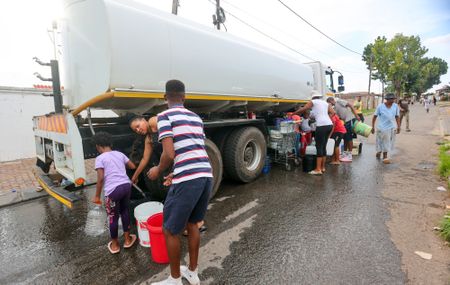
“Because of the rate at which these are stolen, it becomes increasingly difficult to source and replace these stolen cables at the required rate to fast-track supply restoration.
“In many instances, the same infrastructure is stolen or vandalised repeatedly, diverting resources that would otherwise be used for maintenance, upgrades and improving reliability of supply,” said Mangena.
City Power recently warned of planned power outages in March while it rolls out a maintenance programme. It described the system as “constrained” and urged residents to reduce consumption where possible.
/file/attachments/orphans/ED_576172_561559.jpg "City Power officials during an operation in Kya Sands on 1 October 2025 in Johannesburg, South Africa. This operation formed part of ongoing efforts to safeguard residents, prevent network overloading, and reduce electricity losses that often lead to frequent outages. (Photo: Gallo Images / Sharon Seretlo)")
Ageing and deteriorating infrastructure is a core problem, but vandalism, cable theft and illegal electricity connections exacerbate the problem.
“We have indeed observed a worrying resurgence in incidents of cable theft and infrastructure vandalism across several parts of Johannesburg over the past few months,” Mangena said. “This increase reflects what our operational teams are experiencing on the ground daily, a sustained and coordinated pattern of theft and vandalism affecting multiple regions.”
According to City Power, the increase can be attributed to a combination of factors, including rising market demand.
“The price of scrap metal continues to make copper cables and electrical components highly attractive to criminal syndicates,” Mangena said. “These are not isolated, opportunistic acts, but the work of well-organised and often armed groups that understand the network, target critical points, and in many cases return to the same areas repeatedly after repairs have been completed.”
Mangena said some of these organised groups were linked to hardened criminal syndicates, including elements associated with zama zamas.
Approximately 60% of outages were linked to ageing infrastructure, while about 20% were associated with theft and vandalism, indicating that both factors contribute to system stress and failures.
“Cable theft is a serious and growing threat to Johannesburg’s infrastructure, with direct economic and social consequences,” said Angela Rivers from the Johannesburg Property Owners and Management Association.
“Addressing this requires coordinated enforcement, rapid response and active partnerships. We remain committed to working with the City, law enforcement and stakeholders to help protect critical infrastructure.
“Residents, tenants and businesses bear the immediate cost through power outages, safety risks and business disruption, while the City faces revenue losses and reduced service reliability,” added Rivers.
/file/attachments/orphans/ED_576189_250530.jpg "City Power officials during an operation in Kya Sands on 1 October 2025 in Johannesburg to prevent network overloading and reduce electricity losses. (Photo: Gallo Images / Sharon Seretlo)")
In contrast to City Power’s account, Eskom Gauteng spokesperson Amanda Qithi said Eskom had not seen an increase in incidents.
“We have not witnessed any increase at Eskom. Even the areas which often gave us lots of problems in the past, like Pimville in Soweto, have not had any problems,” Qithi said.
Scrapyards and cable theft
Scrapyards should be strictly regulated under the Second-Hand Goods Act, which requires mandatory registration with the police to curb the trade in stolen metal.
Crucial regulations include full record-keeping of suppliers, strict bans on cash transactions, and, since 2023, enhanced compliance measures for sellers to prevent infrastructure theft.
But Johannesburg’s copper theft economy thrives because scrapyards double as open-air banks for stolen cables.
Soweto scrapyard owner James Nukeri told Daily Maverick that while it was hard to exercise control over stolen cables sold to him or any other scrapyard, he demanded some form of documentation linking the seller with the cables.
“In the absence of such documentation, we do not buy the cables because we know that there are many people who take chances, and we are scared that the stolen cables can be linked back to us,” Nukeri said. “It’s not a risk I am willing to take.”
/file/attachments/orphans/ED_252590_570550.jpeg "Vandalised electrical cables in Johannesburg, South Africa. (Photo: Gallo Images / Fani Mahuntsi)")
Another scrapyard owner in Jeppestown, who did not want to be named, said he found it hard to reject large amounts of copper cable because he was in the business to make money.
“What are we expected to do?” he asked. “Let us see some kind of regulation before we can be asked to do what no business person would – reject business.”
Regarding scrapyards, Mangena said: “Addressing cable theft requires a broader societal response, particularly in tackling the illicit scrap metal trade and ensuring stronger consequences for those involved in infrastructure crimes.
“In recent months, we have taken part in multiple scrap metal yard raids to address the challenge of copper cable theft. We have consistently raised concern about the role of the illicit scrap-metal trade in enabling cable theft. Copper cables and electrical components remain highly attractive to syndicates due to their resale value,” said Mangena.
“We support stronger regulation, enforcement and regular inspection of scrap-metal dealers and continue to participate in coordinated operations with law-enforcement agencies, including inspections and raids.”
Interventions
While security alone has proved insufficient to secure the infrastructure, both Eskom and City Power continue to intensify their efforts to combat these crimes, with City Power contracting private security companies to monitor hotspots as well as deploying its own guards, diverting funds meant for improving and upgrading the network.
City Power told Daily Maverick that during the second quarter of the 2025/26 financial year, a total of 62 suspects were arrested for theft and vandalism-related offences.
“These arrests form part of an ongoing, coordinated drive to disrupt criminal syndicates targeting electricity infrastructure,” Mangena said.
The reality, however, is that safeguarding and supervising more than 18,000km of underground cable threading beneath the city means most thieves steal without consequence. DM