




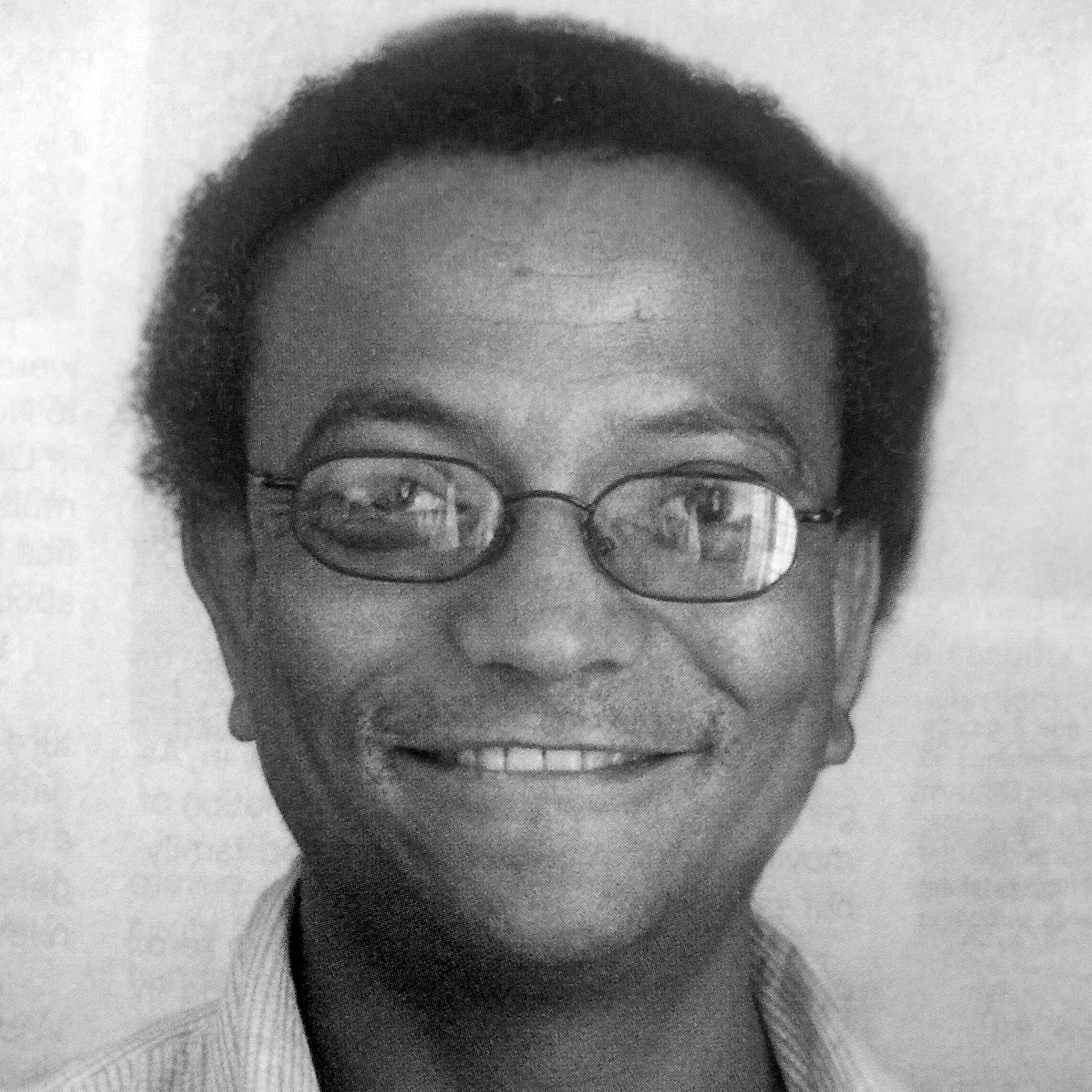
 Richard Ishmail was not just a public figure — he was a mentor, a visionary and a friend to many. (Photo: Supplied)
 Richard Ishmail was a remarkable South African activist, community leader, cultural catalyst and true champion of the poor whose life intersected with the struggle against apartheid, social development, the arts and media empowerment.
Born in Kliptown, Johannesburg, in 1963, Ishmail’s early years shaped his lifelong commitment to justice, education and human dignity. He grew up in a South Africa deeply divided by race and inequality, yet his vision transcended those divisions — he saw people as individuals, worthy of respect and opportunity.
A life of purpose and impact
Ishmail’s career was defined by his passionate engagement in initiatives that sought to uplift marginalised communities.
In the late 1980s, he worked to transform township education through the Education Support Programme in Johannesburg, advocating for a curriculum that empowered young people with media, communication and political skills.
He joined Umkhonto weSizwe (MK), the armed wing of the African National Congress, serving in the Ashley Kriel Unit during the struggle against apartheid, where he became respected for his dedication and discipline.
As a founding member of the Film Resource Unit (FRU) and later through his leadership with the Sithengi World Cinema Festival, Ishmail helped shape the South African film and media landscape. His work supported film access, audience development and cultivated a creative ecosystem for African storytelling.
In the late 1990s and 2000s, he continued to influence culture and community, including ventures like Off-Moroka Café in Cape Town, known for its creativity and vibrant meeting of artists and thinkers.
Perhaps most widely recognised was his role as managing director of The Big Issue South Africa, a street magazine project that provides homeless and economically marginalised people with a dignified opportunity to earn a living. Under his leadership, The Big Issue became a beacon of social entrepreneurship and compassion in Cape Town. He also helped organise major events such as the Homeless World Cup on Cape Town’s Grand Parade, spotlighting the resilience and talent of people without homes.
A violent loss and a lasting legacy
In January 2007, tragedy struck when Ishmail was brutally attacked in his Woodstock home and left in critical condition. Despite receiving medical care, he died on 9 January 2007, surrounded by family after days on life support. His death was mourned widely by friends, colleagues, fellow activists, and leaders across sectors.
At his memorial service at St George’s Cathedral, relatives and community figures celebrated Ismail not with sorrow alone, but with gratitude for a life lived with deep moral conviction and boundless compassion. He was remembered as a “champion of the poor”, a man whose faith and love for people drove every endeavour he undertook.
Remembering a beloved leader
Richard Ishmail was not just a public figure — he was a mentor, a visionary and a friend to many. His influence lives on in the organisations he nurtured and the lives he touched. His work continues to inspire those who seek to build a more equitable, just and compassionate South Africa.
Though his life was cut short, Ishmail’s legacy endures — in the voices of street vendors whose lives have been uplifted, in the South African film community, in the struggle for social justice, and in the hearts of all who knew him. In remembering him, we honour not just his accomplishments, but the spirit of hope and human dignity he championed. DM
Shannon Ryan is a Johannesburg-based strategic business developer and operations specialist. In addition to her professional work, she remains committed to legacy preservation and community development, advocating historical truth, dignity and justice.