




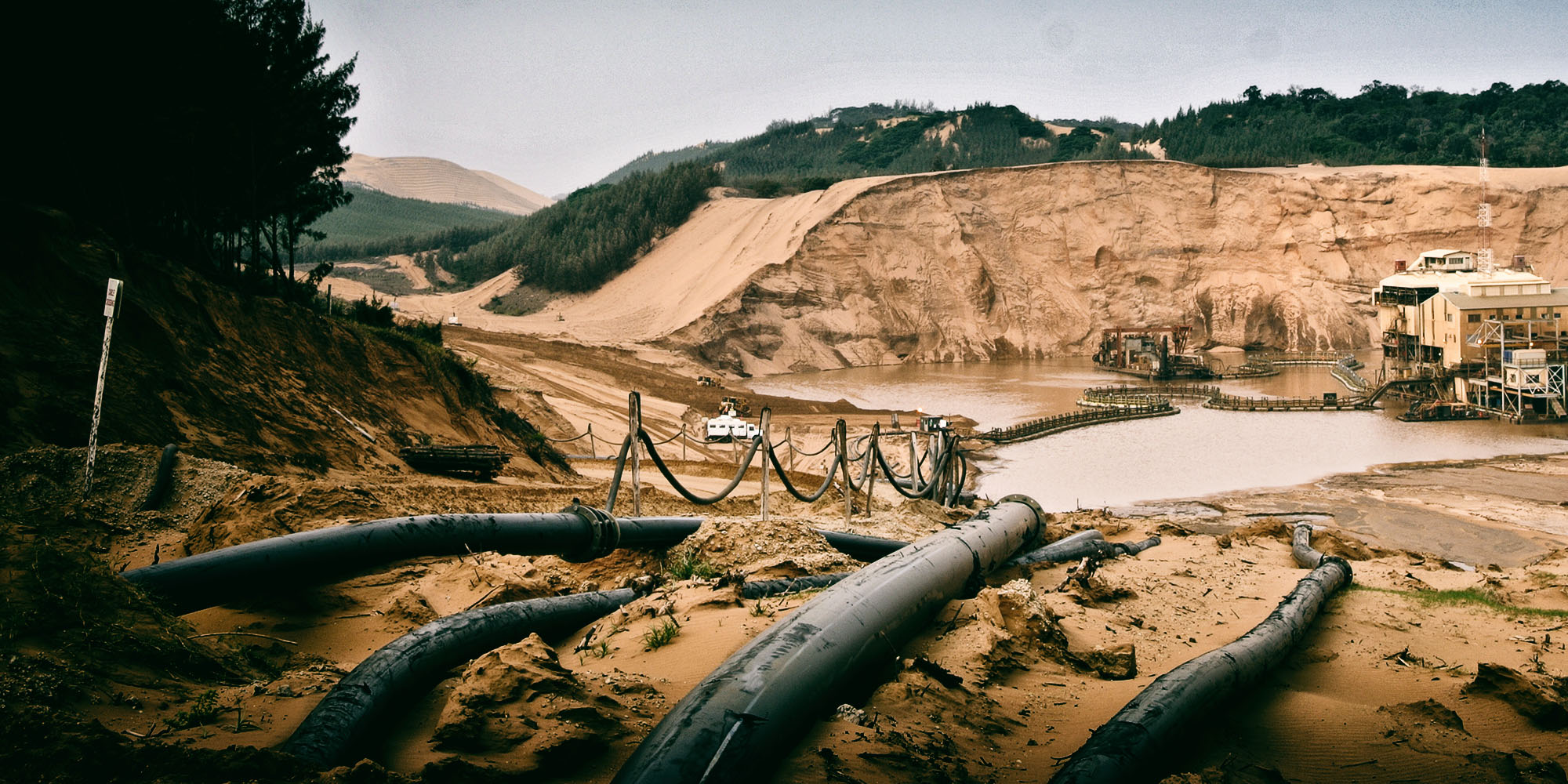
 KwaZulu-Natal’s Richards Bay Minerals (RBM), owned by Rio Tinto. (Photo: Flickr / Mathias Rittgerott / Rettet den Regenwald)
 Mining giant Rio Tinto’s announcement this week that it is going ahead with its long-suspended R8.5-billion investment to expand Richards Bay Minerals’ (RBM) operations through the Zulti South project has rightly been hailed as a sign of renewed confidence in South Africa’s mining sector.
/file/dailymaverick/wp-content/uploads/2023/03/rio-mining-1.jpg "A Richards Bay Minerals floating dredger sucks heavy minerals from coastal sand dunes in northern Richards Bay. (Photo: Dr Bruce Mann)")
This confidence has risen slowly, Phoenix-like, from the ashes of social unrest and rampant criminality that threatened to bury RBM – KZN’s largest taxpayer and one of the biggest employers in the Richards Bay region – in the mineral sands it mines.
RBM, which produces titanium dioxide slag – used in the production of a range of industrial items from paint to toothpaste – had basically been terrorised by criminals against the backdrop of state failure and lawlessness.
KZN has long been a powder keg of turbulence – remember the 2021 riots that erupted after the jailing of disgraced former president Jacob Zuma, which left more than 350 people dead and inflicted tens of billions of rands in damages on the province’s economy.
Rioting, murder and mayhem are – to put it mildly – a turnoff for investors. And RBM endured more than its share of such turbulence, stirred up by predatory criminals in a hornet’s nest of poverty and unemployment.
Rio halted the planned expansion in 2019 due to violence, protests and intimidation by procurement mafias. And in 2021, the company declared force majeure on customer contracts after the assassination of general manager Nico Swart, who died in a hail of bullets.
Read more: State failure – Rio Tinto declares force majeure at RBM in face of violence
Restoring confidence in the Rio boardroom has been a long and arduous road and is a credit to RBM, its managing director Werner Duvenhage and the police, who finally rose to the occasion to do their job.
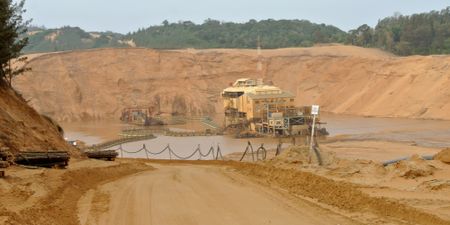
A problematic community trust was among the many challenges that needed to be addressed. Such trusts have often been flashpoints of conflict across South Africa’s mining sector, with competing “community” interests – often involving traditional leaders – muscling their way into the trough.
Two years ago, RBM struck a deal to bring more transparency to its community trust deeds while removing some of the bones of contention that bedevilled them.
Unusual social experiment
RBM also embarked on an unprecedented experiment in October 2024 – exclusively reported by Daily Maverick – that could only have been conceived in South Africa’s fraught social landscape.
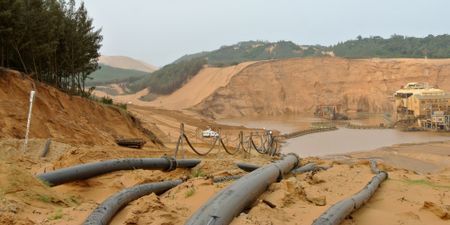
The idea was simple: build a pilot plant that is a miniature version of the potential big one in the pipeline and see if this could be done without community disruptions or shakedowns from the procurement mafia.
I spoke to Duvenhage last year about this at the Mining Indaba in Cape Town, and he said at the time that the experiment was bearing fruit.
“In four months, there has been no intimidation, no threats, no violence. If I had scripted it, this is how I would have scripted it,” he said.
The result has been that the Rio board has finally given the green light to the expansion project.
And it is not just KZN. In this Friday’s edition of the DM168 newspaper, I report on how the flames of social unrest have largely been doused on the restive eastern limb of South Africa’s platinum belt in Limpopo and Mpumalanga.
It all underscores how the business/government (Operation Vulindlela) drive to tackle issues like crime and security, launched a few years ago amid much fanfare, is yielding real results – and they don’t get more real than an R8.5-billion investment by a major foreign mining company.
South Africa’s mining sector still faces challenges galore, which hamper the economy’s ability to benefit from a rich mineral endowment that remains glittering even after well over a century of industrial-scale extraction.
The slow-motion roll-out of a transparent mining cadastre, industry concerns about the draft minerals bill and soaring power costs are among the deterrents to investment in a sector which should be flying.
Progress
But on a range of fronts, progress is clearly – if painstakingly – being made.
Of course, a return of instability that directly affects the operations of RBM and other mining companies remains on the cards in a country still marred by sky-high unemployment, vast income disparities and crime and corruption.
With the local government elections looming, cadres who face the grim prospect of losing their access to income and resources could certainly gin up protests. And in KZN, the likes of Zuma’s MK party is a loose cannon of note.
Still, a company like Rio does not make a decision on this scale lightly. Mining companies don’t haphazardly allocate capital. The risk was clearly believed to be worth taking.
A final point about this saga. Rio suspended the planned expansion in 2019, which means that KZN and the wider South African economy lost out on this investment for seven long years. This means that the jobs and opportunities created, export earnings and taxes have all been delayed for seven years.
Regaining investor trust in such circumstances takes a long time. As this unusual experiment goes from small scale to large scale, the hope is that it won’t be a red flag for gangsters and other opportunists. Because if that happens, Rio will probably pull the plug permanently.
Second chances like this cannot be squandered. DM