




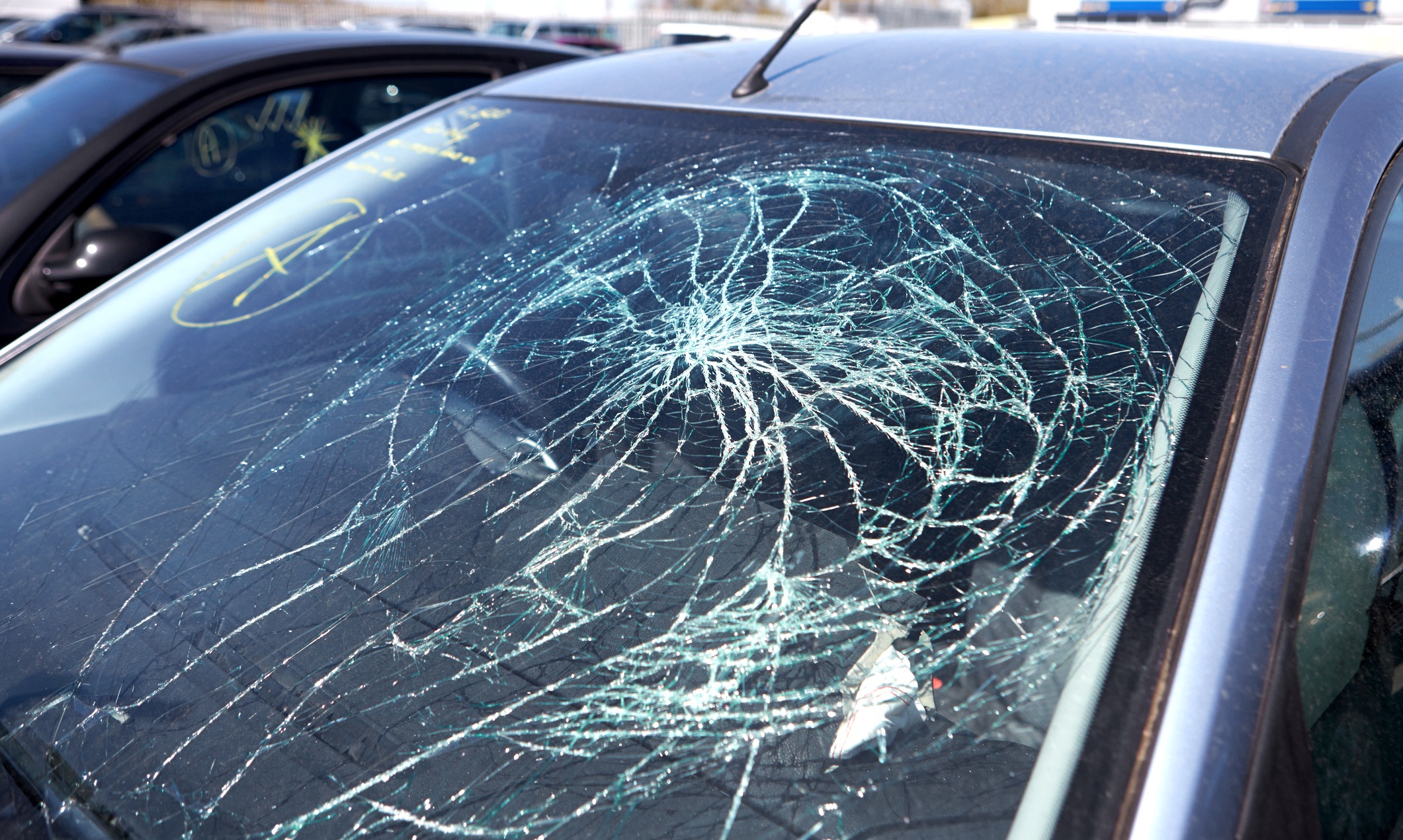
 On 17 February 2026, the Competition Commission of South Africa formally referred a complaint to the Competition Tribunal for the prosecution of PG Glass and Glasfit. (Photo: iStock)
 For more than two decades, replacing a shattered windscreen in South Africa has allegedly been a rigged game. The Competition Commission today escalated a decade-long investigation into active prosecution, referring a complaint against industry heavyweights PG Glass and Glasfit to the Competition Tribunal.
The charge? A sprawling, 22-year-long cartel designed to systematically fix the prices of laminated and toughened automotive glass.
Read more: Maersk and mates on the hook for decade-long cargo rate rigging cartel
If the Tribunal upholds the findings, both companies face a sparkplug strike meant to permanently fracture the architecture of collusion in the automotive aftermarket.
“If found guilty of contravening section 4(1)(b) of the Competition Act, the respondents would be liable to pay an administrative penalty that equals 10% of their respective turnover,” confirmed Competition Commission spokesperson Siyabulela Makunga in a voice note accompanying the notice.
“They are alleged to have entered into an agreement or engaged in a concerted practice to fix prices of automotive glass products they supplied to end-user customers and insurance companies in South Africa.”
Seeing clearly
According to the commission’s referral, since 2004, PG Glass and Glasfit have maintained a rigid, longstanding agreement to artificially inflate the prices they charge customers and insurance companies by the exact same percentage point annually.
In a genuinely competitive free market, annual price adjustments are variable according to a company’s efficiencies, logistics and appetite for market share.
For everyday motorists navigating the wild streets of Mzansi, a cracked windshield is stressful enough. But knowing that the repair cost, and the subsequent hike in monthly car insurance premiums, is the result of corporate price-fixing adds a deeply cynical insult to the financial injury.
“Automotive glass forms part of industrial intermediary products, a priority sector for the commission,” Competition Commissioner Doris Tshepe explained after the referral. “Dismantling of the alleged cartel will contribute towards fairer pricing of automotive glass for the benefit of consumers as well as insurance companies.”
BRICS perspective on the glass house
This aggressive local prosecution does not exist in a vacuum; it aligns perfectly with a growing international consensus that the auto aftermarket is uniquely vulnerable to exploitation.
In late 2021, the BRICS working group on the automotive sector released a joint report, A Study on Competition Issues in the Automotive Sector.
The report warned that anti-competitive practices in the automotive supply chain and aftermarket require “robust, coordinated dismantling”.
Tshepe’s predecessor, then Competition Commissioner Tembinkosi Bonakele, wrote of the urgent need to balance industry growth with strict antitrust compliance.
“Regulatory interventions and approaches [must] be targeted at removing unreasonable restrictions thwarting competition, while also incentivising innovations, thereby meeting the twin goals of ease of doing business and safeguarding consumer interest.”
By moving to prosecute PG Glass and Glasfit, the South African Competition Commission is now putting that BRICS-level policy directive to work.
Raiders of a losing cause
Today’s prosecution began a decade ago with aggressive, coordinated dawn raids on 23 March 2016. Armed with high court warrants, investigators targeted the Gauteng premises of PG Glass, Glasfit, Shatterprufe and a crucial fourth entity, Digicall.
Digicall operates as a third-party claims administration service for the local insurance industry. Investigators spent the past decade forensically analysing electronic data seized during those raids to prove a sophisticated hub-and-spoke cartel arrangement.
The Competition Commission theory is that the duopoly allegedly used Digicall as a central hub to monitor pricing data, which was used to coordinate strategic responses to insurance company tenders.
PG Glass is no stranger to fixing prices
In July 2013, the PG Group (via Glass South Africa) admitted guilt and paid a multimillion-rand settlement for its role in a building glass cartel that operated from 1995 to 2007. That cartel involved executives holding meetings at hotels, pubs and on boat trips to Zimbabwe to fix minimum selling prices and divide territories in Gauteng, the Free State and the Western Cape.
As part of that 2013 settlement, the PG Group explicitly promised to implement rigorous competition law compliance programmes across all its operations. But, according to the latest findings, parallel collusion structures within its automotive glass division were allowed to operate entirely unchecked.
With the commission now seeking the maximum 10% statutory penalty, the message to the South African automotive sector is clear: the days of absorbing fines while sophisticated collusive structures continue to operate beneath the surface are coming to a definitive end. DM