




 New Zealand Mourns Passing Of The Māori King
 By Renju Jose
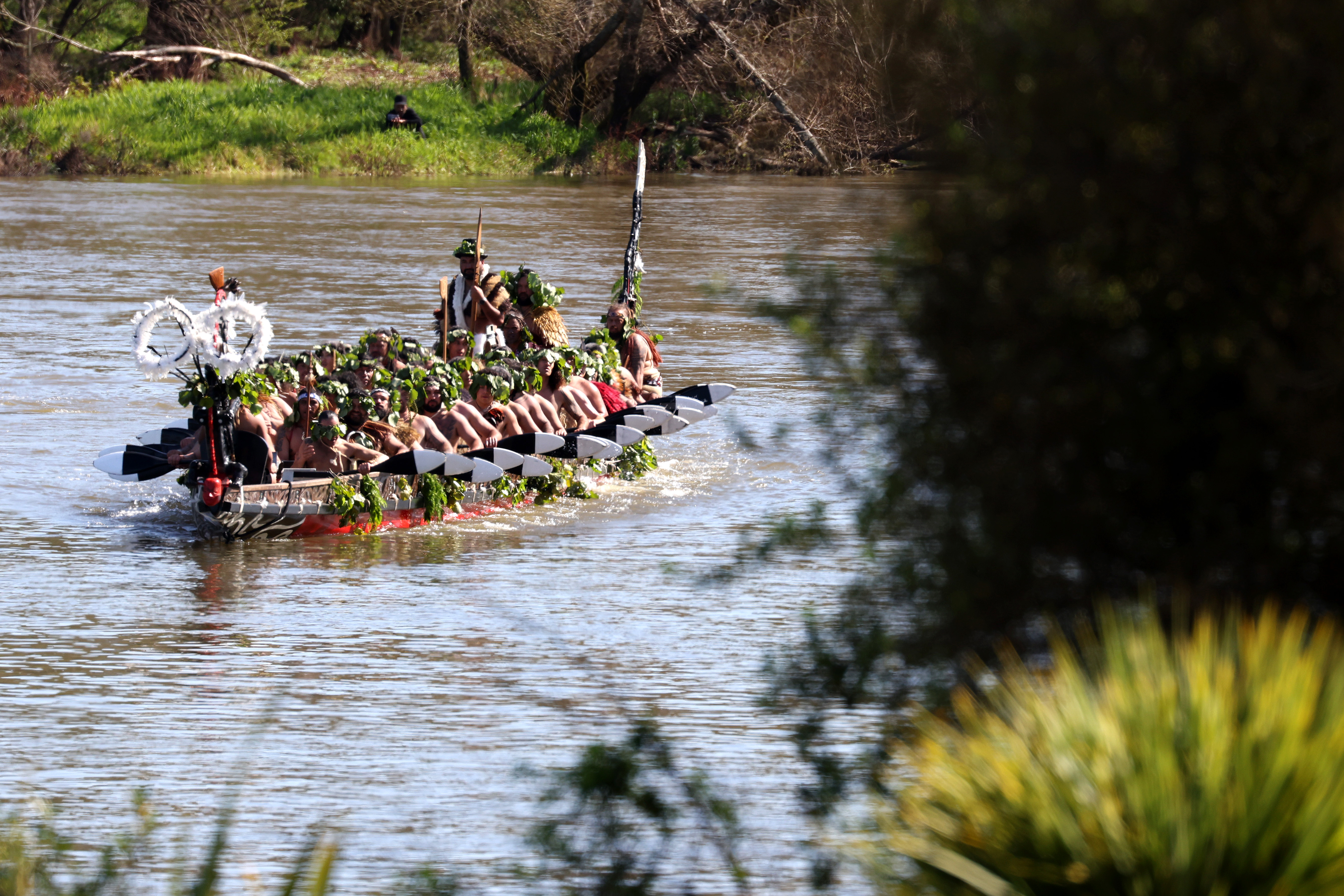
Hundreds gathered near the historic Waitangi Treaty Grounds in North Island's Bay of Islands for the dawn service as paddlers representing the different tribes across the country arrived in Waka, the Maori traditional canoe.
They are expected to perform the haka, a traditional Maori dance, after disembarking.
Waitangi Day commemorates the Treaty of Waitangi, signed in 1840 by the British Crown and more than 500 Maori Indigenous chiefs setting out how the two sides agreed to govern. It still guides legislation and policy in New Zealand.
This year's celebration carries added political weight ahead of a national election scheduled in November, as tension with some Maori has grown after the conservative government, elected in late 2023, unwound some Indigenous policies and disbanded organisations aimed at improving the lives of Maori, who make up about 20% of the 5.3 million population.
A controversial bill last year seeking to reinterpret the Treaty's principles further sparked protests and failed after two of the three governing parties did not vote for it.
Luxon said people would have different views on the treaty but it was important to manage those differences effectively.
"We don't settle our differences through violence. We do not turn on each other, we turn towards the conversation. We work through our differences," Luxon said on X on Friday. He visited the treaty grounds on Thursday.
Governor-General Cindy Kiro said though the country had not always lived up to the principles of mutual strength and understanding that the treaty strived to achieve, it still remained a touchstone and framework for principled action.
Maori were dispossessed of much of their land during British colonisation and have higher levels of deprivation and incarceration, as well as poorer health outcomes than the wider population.
In previous years, many have used Waitangi Day to protest for civil and social rights, accusing successive governments of failing to adequately address the inequalities.
(Reporting by Renju Jose in Sydney and Lucy Craymer; Editing by Sonali Paul)