



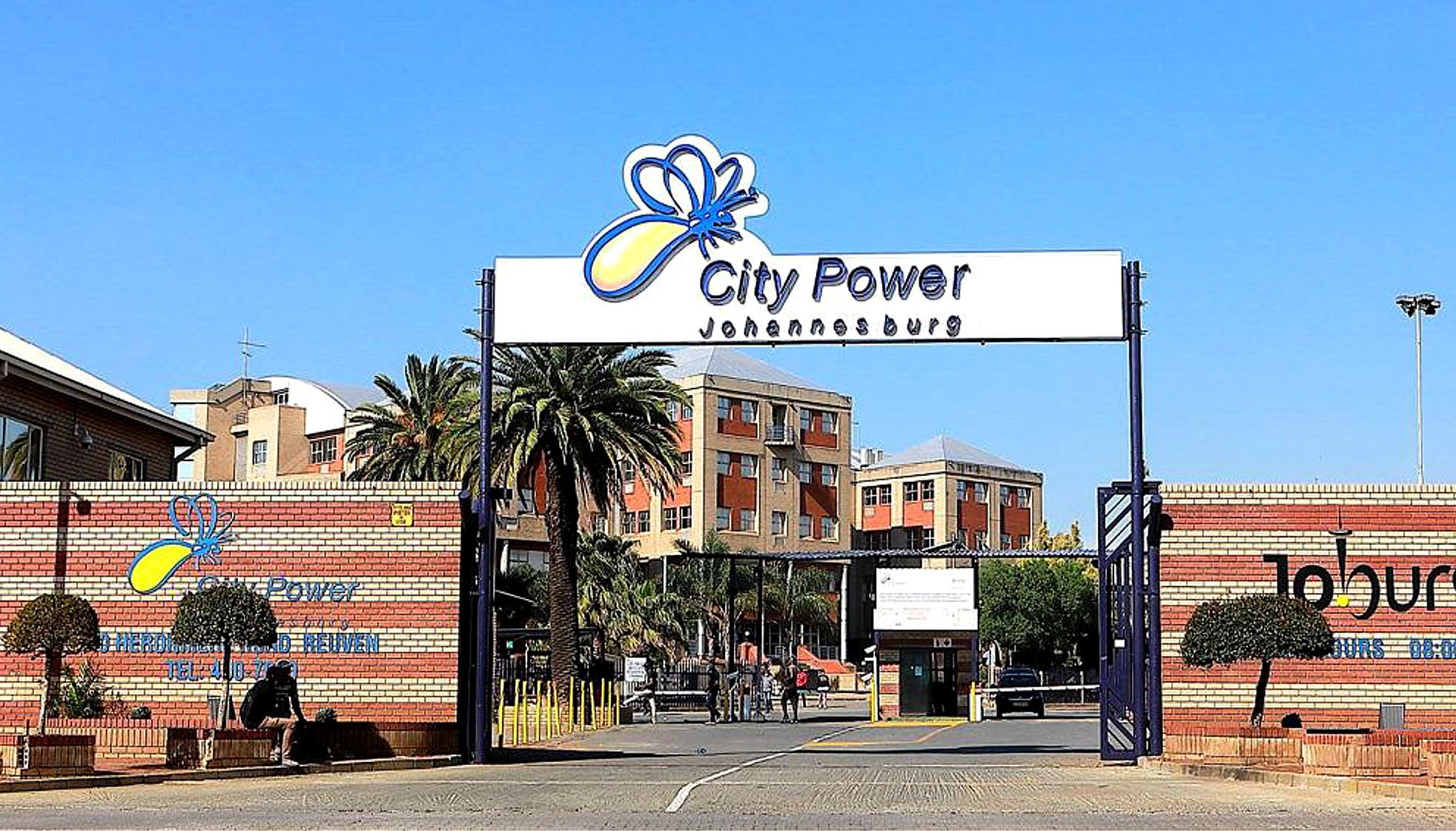
 City Power Johannesburg. (Photo: City of Johannesburg website)
When City Power informed residents this month that it would no longer communicate with them through ward councillors and community WhatsApp groups, there was an immediate outcry from residents.
Across Joburg, councillors reported an immediate fury from residents who feared losing the only escalation channel that still works when call centres fail.
In a notice dated 11 January 2026, City Power said it would begin communicating “directly and not through councillors” to improve efficiency and reduce councillors’ workload. The utility acknowledged that existing communication channels, including WhatsApp groups involving councillors, had “proven inadequate in providing customers with timely outage information”, but announced a phased roll-out of new digital and telephonic platforms.
Residents were directed to toll-free numbers, call centres, WhatsApp channels, a chatbot, social media, SMS alerts and walk-in service delivery centres.
On paper, the plan looked comprehensive. On the ground, it caused alarm.
Residents often complain that the call centres and reporting platforms are not effective. They log faults, get a reference number, and the complaint is closed without resolution while they sit in the dark for days.
Kensington resident Shirley Feldstrom said: “After a while, you stop calling machines. You message the councillor because at least a person answers.”
On Friday, 16 January, Daily Maverick attempted to call the Joburg Call Centre 0860 562 874. While trying to log a fault with City Power, the call remained unanswered for 15 minutes.
/file/attachments/orphans/Frame-44_187011.jpg "(Graphic: Daniella Lee Ming Yesca)")
In most parts of Joburg, councillors’ WhatsApp groups have become daily reporting hubs. Residents post electricity and water faults in real time, share reference numbers, flag repeat outages and ask councillors to intervene when jobs are marked “resolved” without supply being restored.
Ward 117 (Parkhurst/Blairgowrie) councillor Tim Truluck said the reaction to City Power’s announcement was immediate and intense.
“There was a huge outcry,” Truluck said. “We were initially told the decision had been withdrawn completely, then a day later we were informed it had only been paused – not withdrawn completely.”
/file/attachments/orphans/ED_310612_209633.jpg "DA councilor Tim Truluck visits the Genesis Maternity Clinic in Saxonwold on 12 June 2021. The facility was reportedly without power for more than nine days. (Photo: Gallo Images / Rapport / Deon Raath)")
According to Truluck, the WhatsApp groups are not an informal political tool, but an operational workaround that developed over time.
“These groups were started around 2015 in Region B because residents had nowhere else to go,” he said. “Over time, all the depots came on board and officially adopted them. They became part of how the system actually works.”
Councillors, he said, use the groups to give City Power context that automated systems cannot provide.
“We inform them where the outages are, whether they are individual faults or suburb-wide, and whether there are patterns,” Truluck said. “That information matters.”
A major failure point, he said, lies in the CityPower.mobi reporting system.
“There is a huge problem in that once a contractor is appointed, the call is automatically logged as closed, even though the fault is usually not fixed,” Truluck said. “Residents then have to start the process all over again.”
As a result, councillors end up monitoring faults from start to finish.
“We are the only human voices people hear and feel listened to. We start at six in the morning logging calls,” he said. “We, as councillors, really shouldn’t be doing this. We’re meant to deal with larger, area-wide outages, not small, individual cable faults.”
In older suburbs, where ageing infrastructure results in frequent cable failures, Truluck said councillor involvement can be the difference between a short interruption and days without electricity.
Read more: Communities repair roads, water and power in DIY revolution as City of Joburg falters
The move prompted political intervention from the DA, which said it had written to the city manager requesting urgent intervention.
The DA said the intervention was triggered by concern that councillors were being removed from escalation processes at precisely the point where residents are left without electricity beyond prescribed service-level agreements.
“Ward councillors have a constitutional and legislative mandate to intervene and escalate when basic services are not delivered within agreed timeframes,” said leader Belinda Kayser-Echeozonjoku. She said that role becomes critical when formal reporting systems fail to resolve outages and residents are left without power for extended periods.
‘Interim arrangement’
On 15 January, City Power issued a formal clarification rejecting claims that it had reversed its position.
“City Power has not reversed any decision, nor has it retreated from its approved operational and communication plan,” said Isaac Mangena, the utility’s general manager for public relations and communications.
Mangena said engagements with councillors and City leadership had not resulted in abandoning the approach, but instead confirmed “a practical interim arrangement”.
“While City Power proceeds with enhancing its direct customer communication channels and escalation mechanisms, the existing ward councillor WhatsApp groups will remain in place for now,” he said, citing the need for “stability, continuity and service delivery”.
Mangena stressed that City Power had no intention of “undermining, sidelining or diminishing the constitutional and oversight role of ward councillors”, describing councillors as “key partners in identifying service delivery challenges and advocating on behalf of residents”.
Read more: After the Bell: Joburg and Nersa mess it up. Again
At the same time, he said strengthening direct communication with customers was a “necessary operational step” to improve response times and ensure information is managed through “reliable, accountable and scalable systems”.
Councillors remain unconvinced that the system can function without their involvement.
“If residents can’t communicate through councillors, they will start walking into and inundating the depots,” Truluck warned.
“Besides that, we have elderly residents who cannot stand in queues there anyway. City Power is creating huge problems for itself.”
Until faults were verified before closure, call centres consistently resolved cases and escalation pathways delivered results, councillors would continue to play the role they assumed by necessity: the last human voice residents turned to when the lights stayed off. DM