



 Society did not offer him the choice he deserved and wanted. (Image: Pixabay)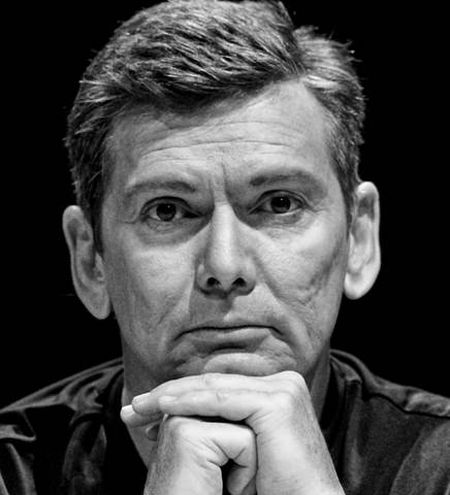
Bursting with energy, vociferous opinions, a demon on the dance floor, and a natural naturalist, he was a strange mix of unconventional generosity and narrow-mindedness – a born-and-bred, truly taught and unquestioning racist.
He was also a deeply moral man who helped two divorcees and their six children when they had nowhere and no one, by giving them a home base and a family. The church and the state gave these women no support. But my dad (and my mum) gave them a home, stability and belonging.
We lived in a higgledy-piggledy farmhouse with hessian ceilings where rats thundered overhead each night. We had an outside “long drop” toilet and three house servants – that strange contradiction of being average “Rhodesian” farmers. We had chickens, sheep, cattle, vegetables, fruit – enough to feed all of us, but we were not wealthy. At all.
But those eight people had their lives bettered, nurtured and nourished because of my dad.
Fallible, explosive, moral, unlucky and generous – that was my father. And that man died by inches.
He had his first stroke at the age of 66. He wasn’t dramatically paralysed or left unable to speak; he was simply left with a tiny bit less of himself. These tiny events kept recurring – so mild they were almost unnoticeable. They kept happening. Hundreds of times.
His mind was unaffected, so he was truly appalled and ashamed as he lost everything that made him who he was. He loved to eat but would choke violently on crumbs. His ability to find words, form sentences and speak was eroded – slowly and savagely.
This man of loud, black-and-white opinions, who loved to argue and meander through histories, watched helplessly as he was excluded from each conversation until he became a mute bystander.
He – whose idea of heaven was a four-hour walk with his dogs – began to lose his balance, falling, bruising, and cutting himself.
He was a gentle and playful grandfather. Back in the day he had been a Scout Master, and the inventiveness and honest simplicity needed when working with young people were part of him. I remember the bossiest man I knew – capable of titanic rages – allowing himself to be told where to sit, stand and crawl, and with endless patience and good humour meekly obeying his two-year-old grandson. But those same grandchildren who had once played with him found his diminished, slightly dribbling wreck repulsive just five years later. He knew that. And he felt it deeply.
/file/attachments/orphans/Allofhischildrensaywewouldhavebeenblessedtogivehimthatrelease_Pixabay_260146.jpg "All of his children say we would have been blessed to give him that release. (Image: Pixabay)")
As old age and weakness took complete control of his life, he became a helpless observer to his slow banishment from everything he cared about.
This took more than 10 years. Every day to the end, he shaved himself, combed his hair, brushed his teeth and dressed himself – clinging to these tiny dignities in a life robbed of everything else.
He even tried, unsuccessfully, to end his life – taking the wrong pills and enduring a horrendous hallucinogenic journey.
Can you imagine his sense of failure? And fear?
Why was this man not given an option? All of his children say we would have been blessed to give him that release. Legally, we could not. And socially, we would have been pariahs.
When we chose to put a smiling, gentle terrier called Scruffy – who was in pain and distress – to sleep, our son was about eight years old. In all seriousness he asked Viv: “Mum, why can’t we put BomPom down?” Viv explained that we could do that for animals but not for people. Oscar kicked his leg in helpless fury, saying: “Oh, come on, man – he’s not having any fun!” Out of the mouths of babes… (And bear in mind this was a child who had a heart stoppage – a death experience – at the age of six during his second bone marrow transplant.)
My father always said: “We all live too bloody long.” In his case, it was a horrible and accurate prediction. Society did not offer him the choice he deserved and wanted. This man, who had the courage to try to end his life, had nowhere to go where he could say: “I would like to choose an easier death.” I believe that is wrong. It is cruel. And I believe it is immoral. He is one of the reasons I feel so strongly about this cause.
When I was young, I would shake his hand when I went to say goodnight. As a young adult, I forced hugs on him, and he grew to tolerate them – then reciprocate them – and then need them. Deeply.
The first time I saw tears in his eyes was at a piano recital when my talent, the piece of music (Prelude in D-flat by Glière), the piano and I aligned to create a moment of beauty. Towards the end, his eyes would fill with tears whenever we hugged and said goodbye.
Why was I not allowed to drive him to a doctor, where he could answer some basic questions, tick the necessary legal and bureaucratic boxes, and get what he needed? From all the research I have done, he would not have been eligible for assisted euthanasia anywhere in the world, because the condition he suffered so terribly did not fall into some narrow definition of “terminal”, and because he was not in “extreme discomfort”. That is the cowardice of a society, pretending to have a conscience, so that it doesn’t have to look at the facts.
My dad wanted that. He had earned that right. I would have been so proud of him – and grateful that I could help him die as he had lived: with kindness, generosity, anger and self-righteous opinions. As himself. DM
The views expressed in this essay are the author’s own. This article does not promote, advise or assist anyone in ending their life, nor does the author claim any medical qualification to diagnose or treat any condition.
If you would like to read more of the author’s writing, you can follow Ian von Memerty on Facebook and on YouTube.