




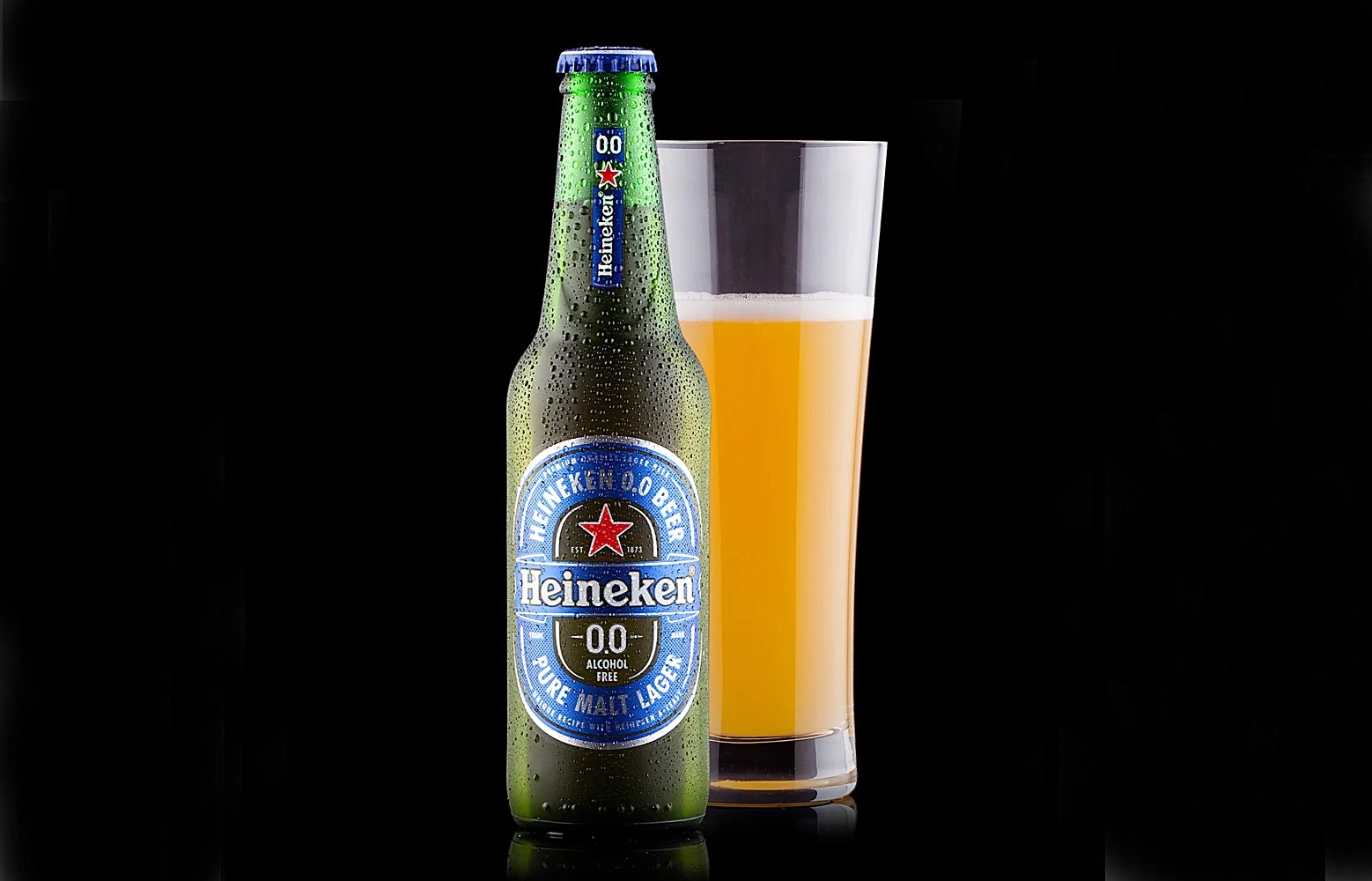
 South Africa’s liquor market is diverging. While traditional giants continue to see huge profits, a rising sober-curious trend is influencing consumer demand. (Photo: Zero Drinks / Wikipedia)
 While the nation typically spends about R414-million a day on alcohol, that figure almost triples during the week between Christmas and New Year, according to consumer insights firm Eighty20.
However, the 2025 season showed that the South African palate is not a monolith. Between non-alcoholic drinking options and the increased popularity of tinned wine, the Dezemba spirit is being poured into very different glasses.
The heavy hitters and festive flips
South Africa is no lightweight when it comes to global consumption rankings. According to the World Health Organization (WHO), the global average consumption of alcohol is about 5.5 litres per person per year. South Africa sits well above that mean at 7.8l.
The data becomes truly eye-watering when filtered for those who actually drink. Eighty20 reported that when the denominator is set to drinkers only, South Africa ranks as the fifth highest in the world, with an average of about 30l consumed per drinker annually.
Consider a typical middle-income South African household in December 2025. The family spends R5,333 for their entire month’s essential food supply (the standard national basket). Let’s say, as a mean, they normally spend R500 to R650 per week on alcohol, but for the week of Christmas and New year, it triples. In just seven days of celebration, the household’s alcohol expenditure can reach R1,500 to R2,000, meaning nearly 40% of their monthly grocery budget is spent on liquor in a single week.
Read more: Jingle bells or alarm bells? Rethinking our relationship with alcohol this festive season
Statistics from the Drinks Federation of South Africa (DFSA) reveal that beer constituted nearly 71% of total liquor sales by volume in 2022, even if its rand value share is lower at 52%.
*RTDs are pre-packaged, single-serve drinks such as Brutal Fruit and Bacardi Breezer.
But the festive season triggers a more sophisticated pivot. Analysis of Global Web Index data by Eighty20 found that for internet-enabled South Africans, wine actually overtakes beer as the top festive choice, followed by cider and spirits.
This change is particularly evident in metropolitan areas. According to Eighty20 data, alcohol use is about 10 percentage points more prevalent in metros than in rural regions.
Influenced by a youthful population with an average age of 27, South Africa’s ready-to-drink (RTD) market has also become a high-growth category dominated by spirit-based drinks. Spirit-based RTDs, such as Brutal Fruit and Bernini, lead the category, capturing more than 82% of the bottled cocktail segment through savvy social media and lifestyle marketing aimed at young consumers.
The 0.0% alternator
Perhaps the most surprising trend of the 2025 season was the mainstreaming of the non-alcoholic category.
“Whether it is enjoying the refreshing taste of beer without the effects of alcohol, or alternating a non-alcoholic option when you are out drinking, there are close to a million people consuming non-alcoholic beer, cider or gin category in any given week, rising from about 666,000 a year ago,” said Andrew Fulton, director at Eighty20.
Read more: The rise of ‘sober curiosity:’ Why Gen Zers are reducing their alcohol consumption
/file/attachments/2986/Screenshot2026-01-07at162503_623006.png)
Interestingly, this isn’t a movement of teetotallers. Eighty20’s data shows that fewer than 5% of these consumers abstain from alcohol entirely. Instead, they are “alternators” who swap out every second or third drink for a non-alcoholic version.
Staying sober in our braai and party culture could probably only be described as socially taxing – and it’s not just South Africans who might feel this way.
Research by Heineken with Charles Spence, a professor in experimental psychology at the University of Oxford, found that 21% of Gen Z drinkers in countries from the UK to Brazil admitted to hiding their non-alcoholic drinks to avoid social pressure.
Read more: Five non-alcoholic cocktails to carry you through mocktail January
The study also notes that alcohol-free alternatives account for more than 4% of Heineken’s portfolio. While it remains the most popular global brand, our own Castle Free produced two million bottles a month in 2021, showcasing its growing market share.
The high price of high growth
The South African alcohol industry is a macroeconomic titan. An assessment by Quantec for the DFSA estimated that the alcohol beverage industry contributed R226.3-billion, or 3.6%, to South Africa’s GDP in 2022, supporting one in every 31 jobs in the country.
The tax haul alone – R96.9-billion that year – is enough to finance more than 470,000 teachers, Quantec notes.
The 2025 season also showcased the darker side of the binge. Research by Professor Graham Barr of the University of Cape Town’s Department of Statistical Sciences estimates the tangible cost of alcohol on our society to be between R34.2-billion and R73-billion in 2019.
This manifests as a festive headache for law enforcement. The City of Cape Town reported that more than 740l of alcohol were confiscated from its public spaces in just the first 11 days of December 2025.
Read more: The hidden costs of SAB’s legacy on SA’s most vulnerable communities
“These totals will balloon over the coming weeks, and next year we’ll dispose of it all,” mayoral committee member for safety and security JP Smith said late in 2025. “We can significantly reduce incidents of interpersonal violence, drownings, road accidents and pressure on enforcement services by making different choices, yet for many people this is simply too big an ask.”
Public safety concerns have led to stricter warnings from the state. Minister of Social Development Sisisi Tolashe recently issued a rebuke following viral videos of underage drinking this past holiday, reminding the public that alcohol “robs families of precious moments”.
Retailers must adapt or dry up
To stay competitive in 2026, it seems retailers will have to change broad assumptions for hyper-localised insights.
“Understanding how consumption patterns evolve across different demographics enables brands to identify growth opportunities in challenging markets,” Fulton said.
The 2025 festive season showcased that South African drinking habits are fragmenting. Success in the sector could now depend on a more nuanced strategy – one that caters to the sophisticated wine lover, the health-conscious Gen Z and the alternating suburbanite. DM