




 BM-Ed-CoalDemand
 This past Christmas it seems Santa had an abundance of coal to dish out to those who were naughty rather than nice.
According to the International Energy Agency’s (IEA) latest annual coal report, demand for the fossil fuel that is fanning the flames of climate change climbed for the third year on the trot in 2025, reaching a new all-time high.
“For 2025, global coal demand is projected to reach 8.845 billion, setting a new record,” the report says.
“In China, which consumes more coal than the rest of the world combined, demand is on course to mirror its 2024 level, as expected.”
Production reached a record high of 9.1 billion tonnes in 2024 – driven largely by China, India and Indonesia – and the IEA projects that coal output remained steady at those levels in 2025.
But the IEA sees coal production and demand peaking soon and then gradually declining.
“Global coal demand is expected to effectively plateau over the coming years, showing a very gradual decline through to 2030 in our latest forecast. By that year, consumption is forecast to ease by 3% compared with 2025, taking it below its 2023 level. Global power generation from coal is forecast to sink below its 2021 level by the end of this decade,” the report says.
/file/attachments/orphans/Screenshot2026-01-04122300_781907.png "Global coal consumption from 2000 to 2030 (Image: IEA 2025)")
“Over the forecast horizon, global coal production is expected to decline gradually from the 2025 level, trending down to 8.641 billion tonnes by 2030. The reduction is led by China, although it comes with uncertainties.”
The IEA, it must be said, never claims that its projections are set in stone, and forecasting in this age of unprecedented geopolitical and economic uncertainty coats crystal balls with a layer of coal dust. But it is of more than passing interest to look at its previous projections.
For example, in 2022, it forecast that global coal demand would plateau at around 8 billion tonnes through to 2025. And production was seen peaking in 2023 at just over the 2022 levels of 8.3 billion tonnes.
A key reason behind these projections for an imminent plateau in supply and demand was a chilling of investor sentiment towards coal because of its links to climate change. A growing number banks were no longer providing finance for new coal projects, a state of affairs that was seen depriving the sector of the capital it needed to sustain itself.
“Governments, banks and investors – as well as mining companies – continue to show, in general, a lack of appetite for investment in coal, particularly thermal coal,” the IEA’s 2022 coal report said – and in fairness to the IEA, that was the prevailing perception at the time.
But rather than capitulating, the coal sector has set about reinventing itself and its future at a time when extreme weather events and global temperatures have been on the rise.
Rebranding coal
Key to this strategy has been changing the current narrative to portray coal as critical to growing global energy needs, including on the renewables front – wind turbines do not grow on trees – and to keep the finance taps open and running.
It is a strategy that is paying rich dividends.
The Net-Zero Banking Alliance (NZBA), convened in April 2021 by the UN Environment Programme, has been effectively defanged with the departure of several leading US banks – a trend given a massive boost by the second Trump administration.
The coal sector’s access to finance, which was fading just a few years ago, is on the rebound, and the fossil fuel is back on investor radar screens.
/file/dailymaverick/wp-content/uploads/2025/11/11411245.jpg "Smoke billows from Eskom’s Lethabo coal fired power station near Johannesburg. (Photo: Kim Ludbrooke / EPA)")
“Over the past year, net-zero finance alliances have dissolved or been paused as investors acknowledge the limitations of exclusionary strategies, with capital increasingly allocated to performance-driven investments focused on reliability, affordability and measurable outcomes,” said FutureCoal, the global alliance for sustainable coal.
FutureCoal itself is key to this strategy – until its rebranding in 2023 with the pointed use of the word “sustainable”, it was the World Coal Association.
“[...] The reality [is] that coal remains a critical pillar of energy security, industrial competitiveness, and economic development,” FutureCoal said, following the release of the IEA report.
“At a time of increasing volatility and strain across global energy systems, the report underscores the need for pragmatic, inclusive energy policies that recognise coal’s continued role alongside efforts to reduce emissions and advance climate objectives.”
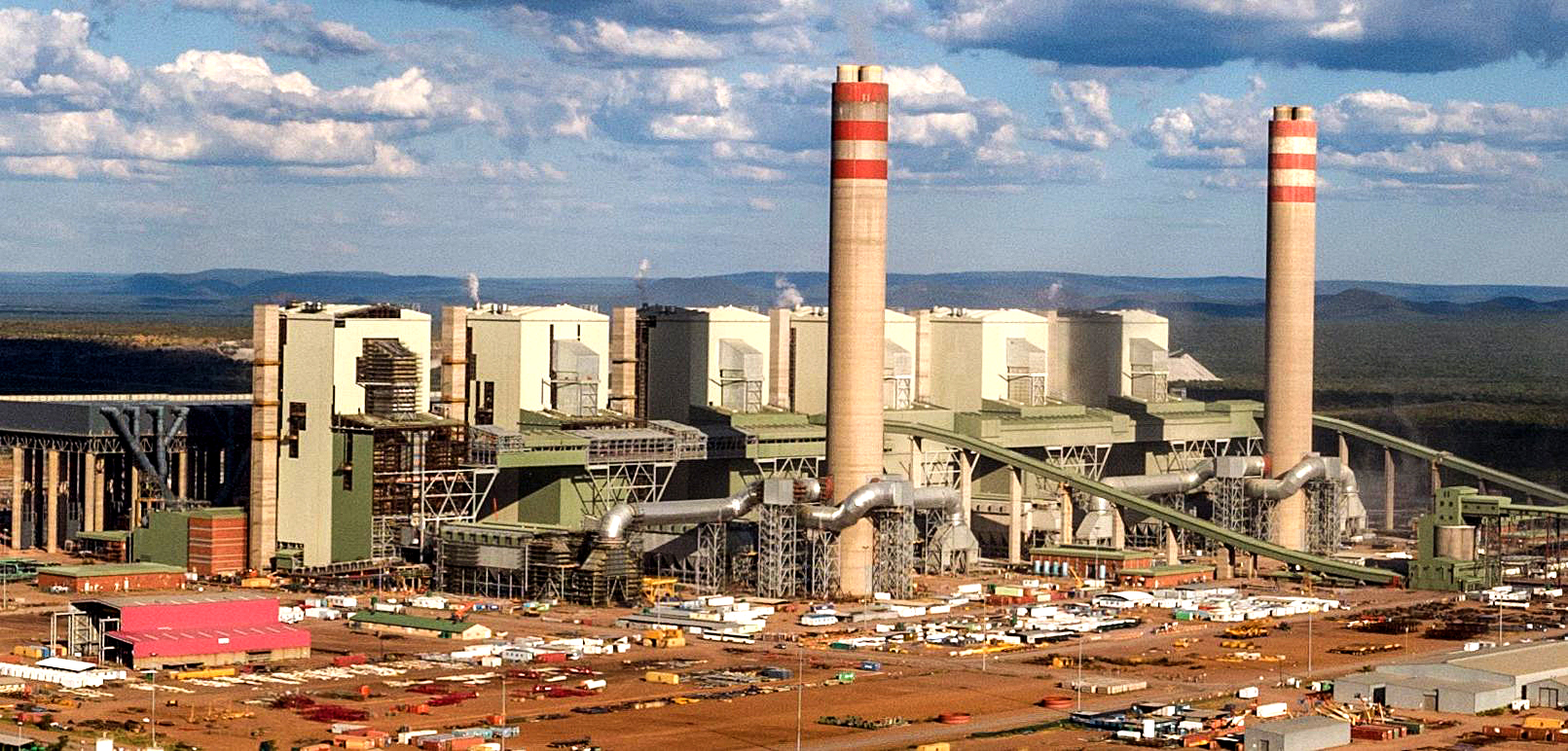
In South Africa, coal also remains a burning issue. While the renewable drive is well under way, it still accounts for the vast majority of Eskom’s emissions and is a key export commodity.
The framing of the narrative here centres on jobs, the economy and energy security.
“Across the developing world, coal has never been ideological; it has been about delivering power, supporting jobs and enabling economic growth,” said Mike Teke, chairman of FutureCoal and CEO of South African coal producer Seriti Resources.
The latest IEA report was released on 17 December, and just over a week later, Iceland reported its warmest Christmas Eve on record with temperatures reaching close to 20°C – almost 20 degrees above the December average.
Come to think of it, Santa might not want to dish out too much coal – his home near the North Pole might also start melting soon. DM
What it means:
Coal’s comeback was not on the cards a few years ago, and the reopening of previously closed financial taps are giving the sector a new and unexpected lease on life.
The IEA’s future projections for demand and production could well be revised upward at a time when the scientific consensus is that fossil fuel use needs to be sharply reduced or phased out completely in the face of rapid climate change.
But it is also the case that coal is needed for the green energy transition – the production of the typical wind turbine uses at least 60 tonnes of coking coal.
Recent trends show that the coal and wider fossil fuel sectors are in fight rather than flight mode as our planet burns.