




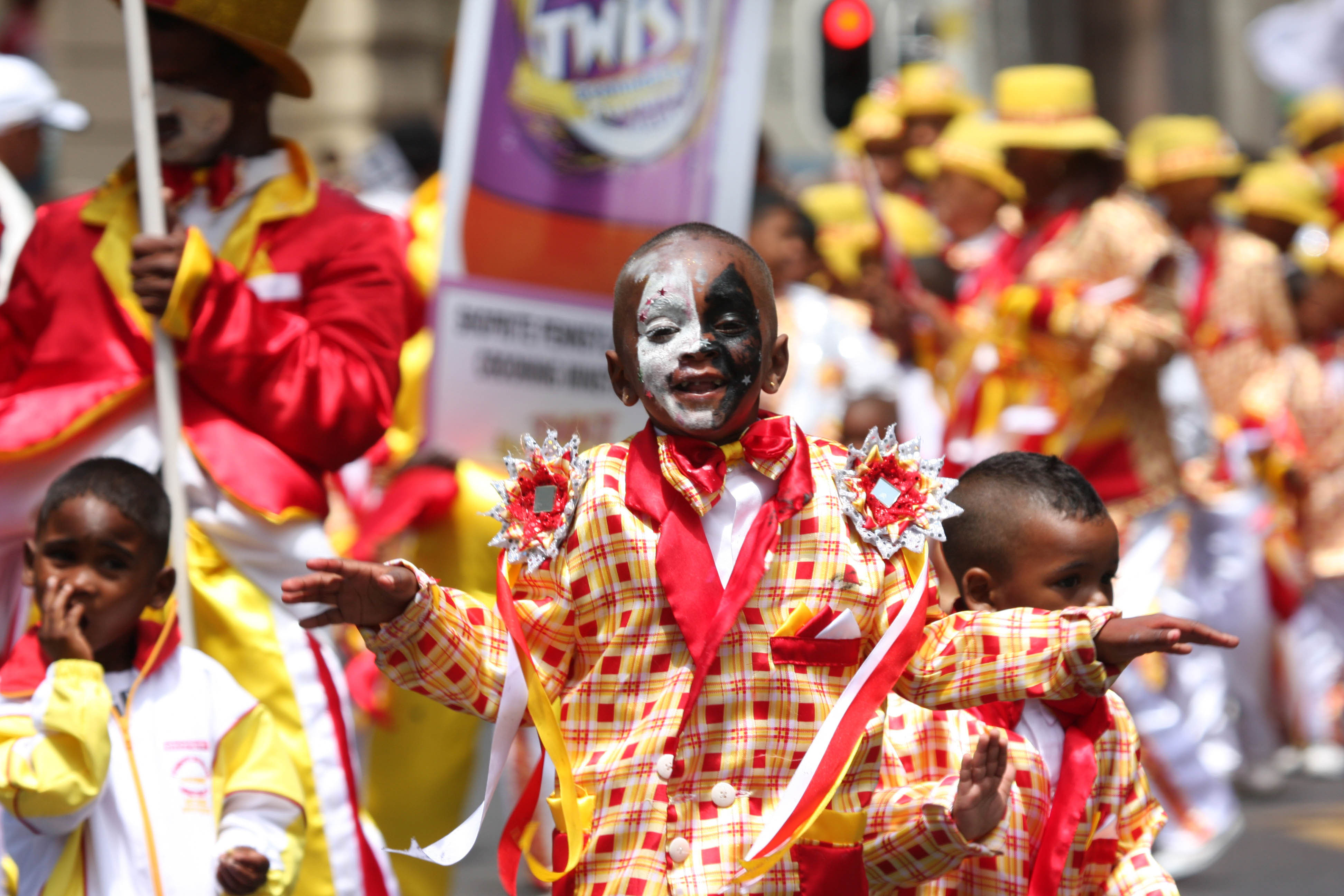
 P35 Community Art Centres
 Cape Town’s artistic heartbeat is not only found in galleries, concert halls and nightlife venues. It pulses through community centres, makeshift studios, marimba rooms, school halls, church basements and dance floors transformed into sanctuaries of expression.
Over the past two decades, a growing ecosystem of community-driven arts initiatives and therapeutic creative practices has steadily reshaped emotional wellbeing, education and social belonging in the Western Cape. This movement has created accessible pathways for individuals and communities to process trauma, celebrate identity and build resilience.
Beneath this creative awakening lies a deeper truth: the arts are not an optional extra, but a fundamental human necessity that is central to healing, belonging and cultural continuity.
Leading organisations such as MusicWorks, Art Therapy SA, The Heartshine, Sanata and the Spieel Arts Therapies Collective have laid a strong foundation for therapeutic creative practice in Cape Town. Through music, movement, play, storytelling and ritual, these organisations create safe spaces for children, youth and adults to explore emotion, release tension and reconnect with their inner worlds.
MusicWorks, founded in 2002, exemplifies this approach. What began as a community music therapy clinic has evolved into a responsive, community-rooted organisation shaped by adaptability and contextual sensitivity. Its practitioners understand that music – fluid, non-verbal and deeply embodied – can open doorways to healing where traditional methods may struggle. In trauma-affected environments, the arts often become a bridge, meeting children and adults exactly where they are.
Alongside therapeutic practice, creative education initiatives like the Bridges for Music Academy and the Mitchell’s Plain Music Academy are redefining future pathways for young people in underserved communities. These institutions provide structured access to arts education, which many young learners have never experienced before. They offer training in music production, digital composition, dance, marimba and performance while supporting emotional literacy and mental wellbeing.
At the Bridges for Music Academy, Savannah Brogneri and her colleagues use arts-based education as a tool for both skills development and holistic wellbeing. Drawing on self-determination theory, they support participants in developing agency, competence and meaningful connections.
The benefits are immediate and transformative. “Participants build confidence, creativity, emotional regulation and self-expression,” says Brogneri. “Safe, structured spaces allow them to explore emotions, build resilience and develop a sense of belonging.”
For many, these spaces become lifelines, especially where access to mental health support is limited.
Dance floors as healing spaces
Cultural gatherings such as We House Sundays, the Dope Room, Rocking the Daisies, Origin, Slow Down, Rise and Rave, Silent Disco and emerging sober dance movements have reframed dance floors as spaces of joy, embodiment and emotional release.
Rise and Rave, founded by performer and DJ Kerstin de Beer, grew from her own disillusionment with nightlife culture centred on escapism rather than connection. “Music and dance meet you where you’re at. Creativity doesn’t ask for perfection, only honesty,” says De Beer.
Today, Rise and Rave hosts sober dance gatherings at sunrise, in community halls and even in St George’s Cathedral, blurring the boundaries between ritual, spirituality and communal joy. De Beer is now working with schools and arts councils to expand conscious dance programmes for youth.
Cape Town is rich in public-facing creative events that blend community building with emotional healing. Organisations such as Catharsis Ceremonial Arts, Art Jamming, Marimba Jam and many independent facilitators create accessible, low-barrier entry points for creative expression.
In youth development, the arts play a crucial role. Savannah explains: “Music improves memory, problem-solving, coordination, language and communication, but it also builds confidence and community.”
For young people navigating uncertainty, creative engagement is both developmental and stabilising.
Delivering community arts programmes in Cape Town comes with significant challenges: social isolation, unemployment, trauma and limited access to education. At Bridges For Music Academy, facilitators support participants through transport assistance, meals, mental health services, counselling, structured routines, mindfulness and attendance monitoring. A comprehensive evaluation system tracks wellbeing, growth and early signs of distress, ensuring that support remains responsive.
Collaboration is increasingly shaping Cape Town’s creative sector. Bridges for Music Academy works with LoveLife, JustGrace, Masi Violin and Waves for Change to expand opportunities and share psychosocial tools.
“By working together as a collective rather than in silos, we can truly amplify impact,” says Brogneri.
And as networks strengthen, so does the sustainability of the broader creative ecosystem.
Future of community arts
Measuring the impact of community arts can be complex, but one truth stands out: without these creative platforms, countless opportunities for healing, growth and transformation would simply not exist.
Whether through structured therapeutic methods or the intuitive freedom of dance, painting, poetry or marimba, the arts offer something increasingly rare in modern life – an invitation to be fully present, expressive and human.
One participant captured it simply: “Each session helps me uncover a deeper layer of myself.”
Brogneri believes the future lies in expansion. “My hope is that a school and creative hub like this can exist in every community in Cape Town. Spaces like these shouldn’t be rare. They should be accessible to everyone.”
In a city shaped by inequality, historic division and social pressures, community arts remain an enduring bridge connecting individuals to themselves, to each other and to a shared sense of humanity. DM
Lance Kieswetter is a South African educator, music therapist, writer, and wellness practitioner.
This story first appeared in our weekly DM168 newspaper, available countrywide for R35.
/file/attachments/2985/DM-05122025-001_646584_373ba8718846ee4aec17b376c955d496.jpg)