




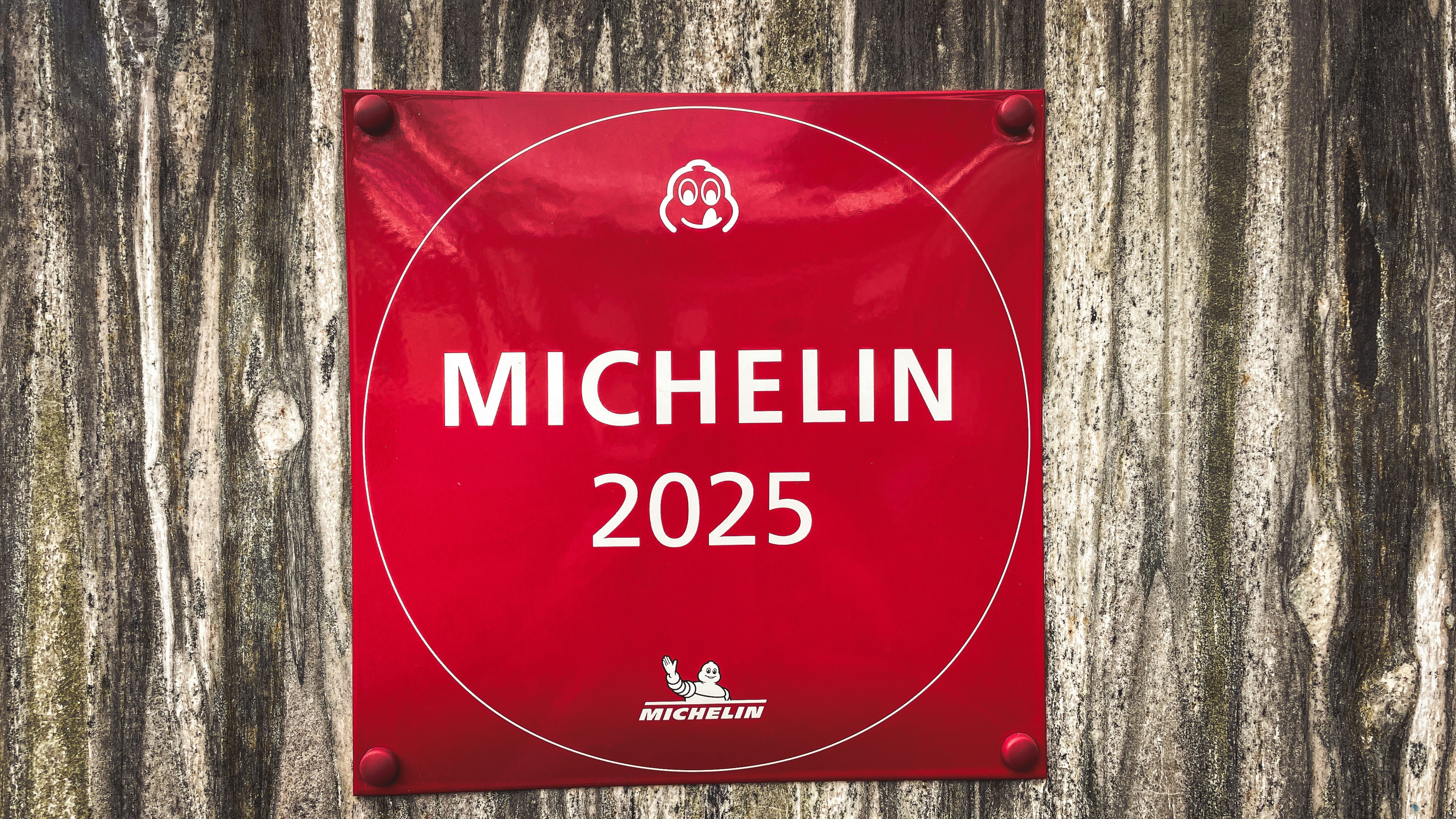
 (Photo: Jametlene Reskp on Unsplash)
Recently, an article entitled ‘15 reasons why the Michelin Guide arriving in New Zealand is a bad idea’ circulated among some of our top local chefs. Ursula Cardoso of De Eetkamer was kind enough to share it with me. This was after my response to a Facebook post asking whether bringing the Michelin Guide and its grading system to our shores was a good idea.
Late in 2024, at the SA Chefs Conference held in Cape Town, there was some talk of getting local restaurants graded, but considering the fees requested by Michelin from local tourism authorities for this, it seemed like a non-starter. Bringing the Michelin Guide to Thailand cost their tourism body roughly $800,000 a year over five years. The city of Houston in Texas struck a deal to bring Michelin inspectors to grade their eateries, and it cost them $90,000 per year for three years.
What would such a deal cost a long-haul destination like Cape Town?
Whatever that fee might be, it seems that there is some lobbying happening. Somewhere in our fair city there’s a group of citizens who believe Michelin Stars would recognise our finest chefs and be a boon for the tourist industry. Here follow a few thoughts that may be worth considering before we couch our lances and tilt at that particular windmill.
A city already on the map
/file/dailymaverick/wp-content/uploads/2025/11/sunset-5004905_1280.jpg "Cape Town image by Dewald Van Rensburg from Pixabay")
Cape Town’s restaurant scene doesn’t need to prove itself. Eateries in our city have repeatedly featured on the World’s 50 Best Restaurants list. Indeed, a number of our chefs are highly regarded in global culinary circles. Visitors fly in from all over the world just to eat here. Thanks to ‘culinary tourism’, tables at our top venues are booked months in advance. We are, by any reasonable measure, a world-class dining destination.
The allure of the Michelin brand
/file/dailymaverick/wp-content/uploads/2025/11/marjan-blan-d7ccvwpmsnc-unsplash.jpg "The actual ‘Michelin man’ has nothing to do with restaurants or food. What makes him happy is … tyres. (Photo: Marjan Blan on Unsplash)")
There is no denying that the Michelin brand holds immense prestige. For many diners abroad, a Michelin star signals excellence, a kind of global shorthand for quality and refinement. In cities that have recently welcomed the Guide – from Toronto to Bangkok – tourism boards have hailed the move as a marketing masterstroke. Stars attract headlines, investors, and visitors with spending power they say.
There are however those who question the veracity of the guide in light of this ‘pay-to-play’ approach. A city forking out a great big chunk of change in the expectation of stars will not be satisfied if the inspectors wrinkle their noses at the offering.
The argument could be made that Cape Town’s inclusion would elevate South Africa’s culinary profile, help retain talent, and invite greater international attention. I get it. In 2011, when our eatery was named Best Country Restaurant by Eat Out, we saw immediate benefits. The morning after the awards ceremony, a tour operator from New York called to book a table for four. We were fully booked months ahead after that. The buzz in front-of-house, the energy in the kitchen was electric.
Recognition has value. Definitely. Awards can transform a restaurant’s fortunes overnight. But I believe there’s a broader issue to consider in South Africa.
Counting the cost
The Michelin Guide does not arrive because they heard about our amazing restaurants and want to try them because it wants to share new culinary jewels with the world. Inspectors are sent after negotiation, partnership, and payment are concluded. Tourism bodies and local governments typically underwrite its arrival – funding inspector visits, promotional activity, and the local edition of the guide. In other words, public funds are spent to buy inclusion. No funds, no feature.
That is where my objection lies. Our industry is not short of talent, nor of hungry young chefs with dreams. What we lack is broad, accessible training, and pathways for those who cannot afford culinary school. The money that would be spent to secure Michelin’s arrival could change hundreds of lives if redirected into chef development programmes.
Who really benefits?
The uncomfortable truth is that Michelin’s stars rarely spread evenly. They cluster among a handful of already-celebrated venues – the ones with investors, PR and Social Media teams and the capacity to play the fine-dining game. For those restaurants, a star means fuller books and brighter prestige.
But those places are already visible on social media and on the various review platforms. We have a string of awards systems already recognising the top contenders. A very basic online search will turn up venues with Eat Out Stars, Gourmet Guide Plates and Luxe… not sure what the last ones are exactly, but there’s those. Michelin inspectors scan reviews, local guides and social media as part of their research to select the places they will visit. So the same names are likely to crop up again.
Those ‘hidden gems’ that struggle to qualify currently will continue to do so.
It’s my view that Michelin’s presence tends to reinforce an elite hierarchy. Opportunity is narrowed rather than expanded. Hiring for kitchen or front-of-house moves up the pay scale, not in the direction of inclusion, or building new talent. It tends to push pricing upward and narrow the definition of “excellence” to a Eurocentric model of service, format, and formality. South Africa’s most exciting dining moments often happen far from white tablecloths – in neighbourhood ‘locals’ and informal spaces that celebrate local flavour and resourcefulness – like Belville’s pan-African market.
Michelin’s framework was not built for that. Welcoming Michelin’s inspectors ashore at the Cape of Storms risks flattening the curious and ebullient diversity that defines South African cuisine.
A trade, not a trophy
/file/dailymaverick/wp-content/uploads/2025/11/ben-koorengevel-Vd0_Htlb-Kk-unsplash.jpg "Meticulous plating designed to mesmerise is typical of a Michelin starred restaurant — and of many of the Cape’s top ‘fine dining’ restaurants. (Photo: Ben Koorengevel on Unsplash)")
Being a chef is a trade. It is a skill honed through long hours, mentorship, and hard work. I’ve seen how that trade can change lives. Infinity Culinary Training in Cape Town featured in Episode 133 of my podcast, A Table in the Corner. It takes people with no prospects for formal education and very little to hope for, and teaches them the basics of the kitchen. Graduates are then placed in working kitchens. There are alumni of this programme who have gone on to work abroad as sous chefs and head chefs in international hotel kitchens.
Imagine what could be done if the figure Michelin reps would write on a piece of paper to close the deal was channelled into more training programmes like that. We could lift hundreds of young South Africans out of poverty, build careers and fill a global need in kitchens and front-of-house teams.
Recognition Vs validation
We already have local awards that recognise and celebrate excellence. I mentioned Eat Out, Gourmet Guide and the Luxe Awards. Our chefs appear in World’s 50 Best, and other global rankings. How many magazines and lifestyle measures have already recognised Cape Town as one of the world’s most liveable cities? Michelin would simply add another sticker to an already decorated door.
In the article about New Zealand bringing Michelin to its shores, the author described the proposal as “a new colonialism of cuisine”. That struck a chord with me. The Guide reflects a distinctly European lens on food: its ideals, structures, and hierarchies are born of a specific cultural worldview. South Africa’s food identity – vibrant, diverse, often informal – does not need that framework to be meaningful.
Our local awards systems may be flawed. Each year there is criticism of and debate about judging and awarding. No two eateries, like the chefs who run them, are the same. There’s always going to be joy or sour grapes, but it’s a starting point. There’s a list we can show someone who asks us where they should eat tonight. What, precisely, would the Michelin Guide add to that?
At the risk of belabouring the colonialism metaphor, do we need an inspector who’s just come ashore at the southern tip of Africa to teach us how to eat? What can they teach us about entertaining the millions of other international guests already visiting our shores every year? We know there are amazing restaurants here. We all have our favourites, even if they didn’t feature in last week’s round of glittering local awards.
A question of priorities
Cape Town’s culinary reputation is not in question. During the season, flights and restaurants are packed. The city hums. International attention is constant. To spend millions courting Michelin feels like gilding a lily. The return would be largely symbolic – a luxury trinket for a few rather than a transformative investment for many.
My view is that we should channel that energy, and outlay, into nurturing the next generation of South African chefs, supporting regional food cultures, and strengthening the base of our hospitality economy. That is how a destination sustains itself.
We don’t need another star. We need more training, more opportunity, and more belief in the value of our own story. DM