




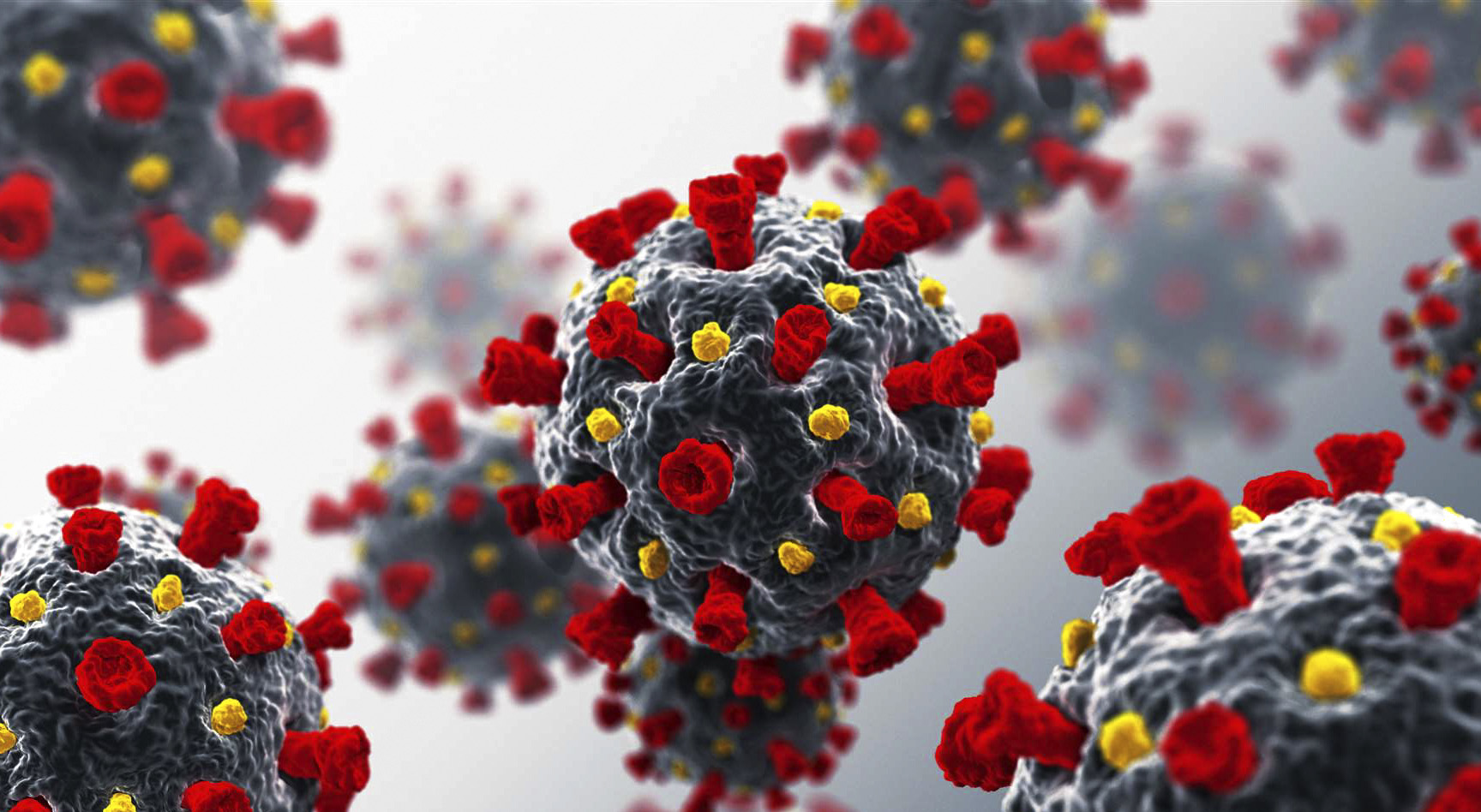
 According to the World Health Organisation (WHO), at least a dozen African countries have so far confirmed the presence of a variant, now named the Delta variant, that was first detected in India late last year. (Photo: newburytoday.com / Wikipedia)
 By Olivia Le Poidevin
After three years of negotiations, the legally binding pact was adopted by the World Health Assembly in Geneva. WHO member countries welcomed its passing with applause.
The pact is widely seen as a victory for members of the global health agency at a time when multilateral organisations like the WHO have been battered by sharp cuts in U.S. foreign funding.
"The agreement is a victory for public health, science and multilateral action. It will ensure we, collectively, can better protect the world from future pandemic threats," said WHO Director-General Tedros Adhanom Ghebreyesus.
The treaty faced a late challenge on Monday when Slovakia called for a vote, as its COVID-19 vaccine-sceptic prime minister demanded that his country challenge the adoption of the agreement.
One hundred and twenty-four countries voted in favour, no countries voted against, while 11 countries, including Poland, Israel, Italy, Russia, Slovakia and Iran, abstained.
(Reporting by Olivia Le Poidevin, additional reporting by Jan Lopatka editing by Rachel More)