




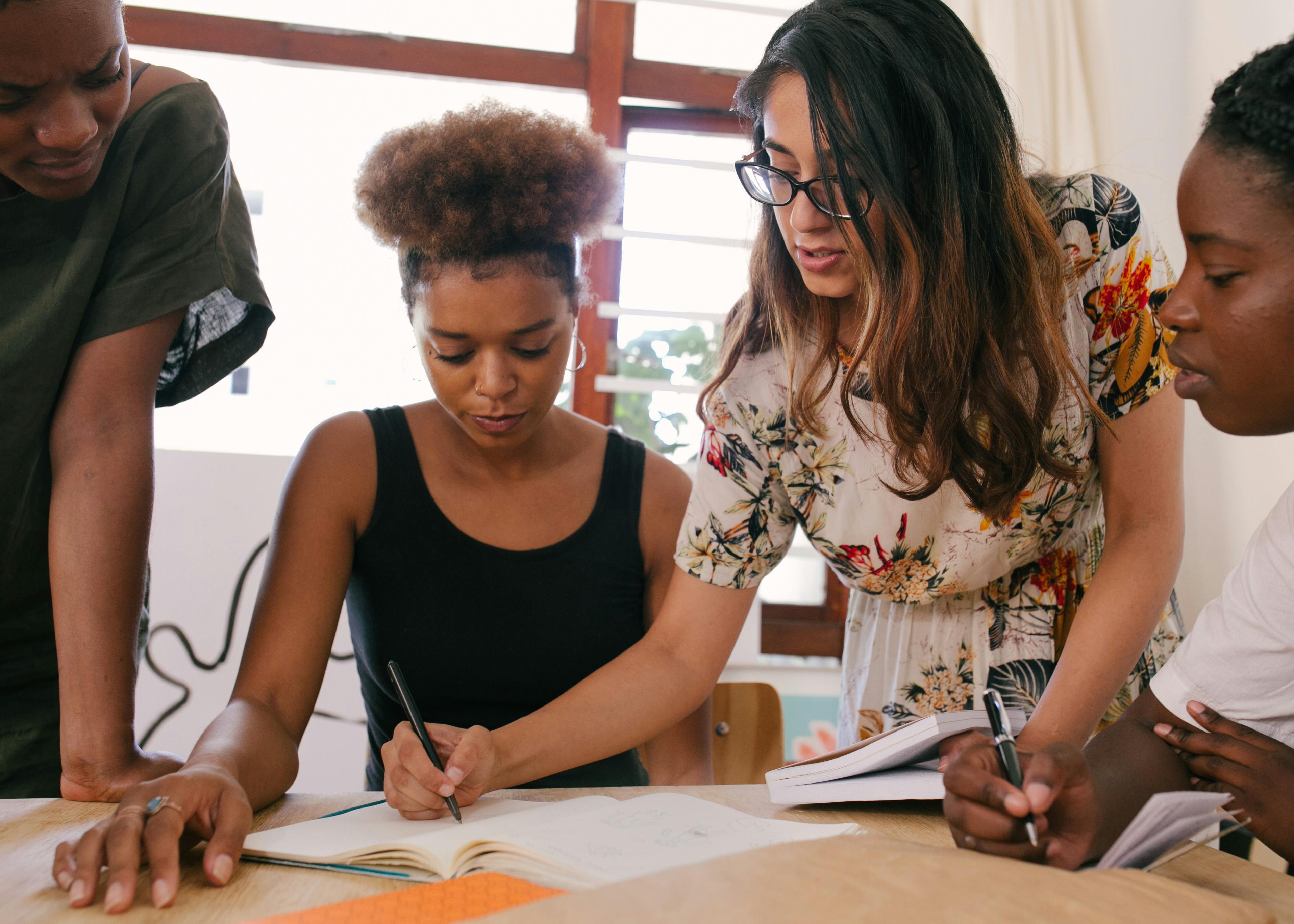
 Image: Retha Ferguson
This alarming statistic taken from a recent study on The Success Women Want 2025 conducted by Momentum, in partnership with Kantar. It is not just a number, but an impetus to action that provides necessary context to why ‘Accelerate Action’ is a crucial stance for the progress of women. While this may be a global theme, the data in this report focuses on South African women and echoes this sentiment.
According to the World Economic Forum it will take another 134 years to close the global gender gap. Success for women is a moral and ethical goal but also makes real economic sense at a time when South Africa needs it most, how do we take meaningful steps forward?
This is not the time for business, government and society at large to rest on their laurels – but rather continue deepening their understanding of where women are, to craft relevant policies and provide relevant business strategies.
“We have seen the powerful influence when business, policy and marketing tools such as research, product innovation and communications work together to drive positive societal change.” said Mmasechaba Gxolo, Insights Lead: Research and Reporting at Momentum Group.
For years Momentum have championed pioneering research that has allowed us to accurately understand the audiences we serve, and we saw the gap in local understand of the Women’s success context that we wanted to fill.

Only 1 in 3 women feel financially secure
Financial advice is at the core of our business – it is how we build and protect our clients’ financial dreams. It was distressing to see it revealed in the report that only 1 in 3 women felt financially secure. There were several reasons for this.
While 68% of women listed financial independence as a key marker of success followed by health and wellbeing at 55% and education at 40%, there was huge disparity between how women defined success (being financial independent) and the places where they were currently focusing their attention (on education and well-being).
Explained Gxolo: “Firstly, women spend energy and effort on the things they feel more successful at, and unfortunately, achieving financial independence is not one of them. Secondly, women have realised that education is not adequately translating into financial success, which is not surprising given the context of South Africa’s high unemployment rate. This is an indication that women need more tools and the right professional advice to gain confidence in managing their finances.”
When it came to defining financial independence, women in South Africa revealed that financial independence is defined as anchored first on achieving financial stability (in the form of savings and steady income), then working up towards accumulation of assets (such as vehicles and house) and then progressing to protecting those assets (insurance and investments).
“What this tells us is that there needs to be more work done in helping women understand that achieving financial independence is not a ladder, one can have multiple financial goals being worked on at the same time. This is where the value of financial advice and planning can play a crucial role, it builds confidence and changes the mindset of what is possible with your current context”
Tailored financial know-how empowers women to understand and navigate the complexities of personal finance including saving, managing debt and investing.
“This study has helped us as an industry better understand the needs and aspirations of women, to better deliver to them. We hope it can do the same for other industries who have women as clients as well as employees, to better understand their true drivers in what they aspire to do and what they are trying to achieve in their lives.”
“We, as an industry, also have to be mindful of how the concept of success for women has changed,” added Gxolo. “Success for women now is complex and non-linear, with no formula or even an end-state. It doesn’t have to meet traditional expectations like getting a degree, getting married, having kids or owning a house. Success for a woman is far reaching and ripples towards the people around her, so it is in everyone’s best interest to work alongside her achieving it.
[embed]https://www.youtube.com/watch?v=RQw4GpUgyJc[/embed]
Only 7% of women in South Africa believe that men currently play a strong role in enabling the success of women
One of the surprising findings from the report was the perception of the low rate of support from the men in women’s lives – with only 7% of women citing the role of men in enabling their success. Men play such a critical role in women’s lives as colleagues, managers, fathers, brothers and partners and it is disheartening that so few women feel supported by them.
“The sentiment we received from the women we spoke to in our research is that whilst most men want women to be progressive and even claim to be comfortable with women's success, the reality is that many would rather have a women support their (the man’s) success than pursue their own.” said Gxolo. “Most men do not see the role that they can or should play for the women in their lives. Those that genuinely support successful women acknowledge the benefits of her independence and how fulfilling it can be to build and grow together.”
On a positive note, women continue to lean on each other for support with 70% saying they feel motivated by the success stories of other women and 74% of women saying they want to help women, but don’t know where to start.
For true impactful change to be realised, we need everyone to come to table: men and women leaders and stakeholders in government, industry and support organisations. We need to accelerate action for the future of our daughters to no longer face the same barriers. One action you can take is to download Momentum’s The Success Women Want in 2025 report – and understand women better to identify the change you can make. DM
Comments
Scroll down to load comments...