




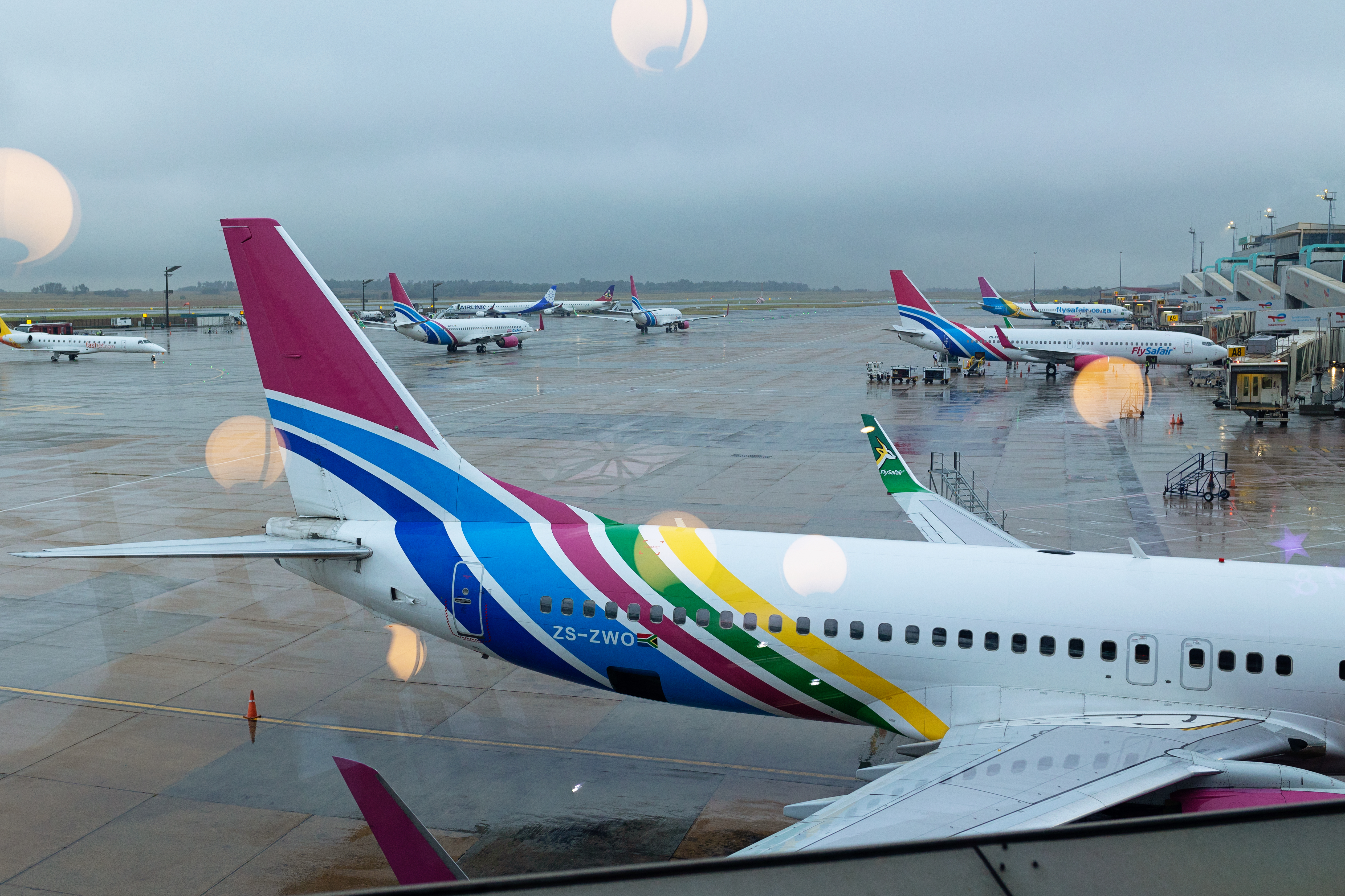
At the heart of the controversy is the Council’s assertion that FlySafair fails to meet the nationality provisions requiring 75% of voting rights to be held by “Residents of the Republic.” However, the Council has taken the unprecedented step of interpreting these provisions to mean that only “natural persons” may hold such rights, disregarding FlySafair’s compliance through South African trusts and companies.
This narrow interpretation, which the Council claims aligns with the South African Citizenship Act of 1995, is out of step with global aviation norms. Furthermore, it risks rendering most South African airlines, including major players like Airlink and SAA, non-compliant—leaving Lift Airlines, the very complainant in this matter, as one of the few beneficiaries.
Errors and Overreach
FlySafair has refuted claims that its control lies with foreign entities. While an Irish based firm holds a minority 25% of voting rights in the firm, their control of the airline is limited. While it’s true that an additional economic benefit is enjoyed by the same firm through the Safair Investment Trust, the voting rights in regard of that share are vested with resident South Africans.
Moreover, the Council’s decision overlooks the 2014 Comair ruling, which established that councils should not delve into layers of ownership but focus on immediate controlling entities. The Council’s decision to disregard this precedent introduces a troubling lack of consistency in regulatory governance.
Industry-Wide Ramifications
Should the Council’s interpretation stand, the fallout would be catastrophic for the aviation industry. Kirby Gordon, Chief Marketing Officer of FlySafair, warns, “If the Council proceeds on this basis, the knock-on impact on the industry will be enormous.” The suspension or forced restructuring of airlines like FlySafair would disrupt the market, undermine consumer choice, and deal a severe blow to tourism and the broader economy.
A Call for Rationality
FlySafair has taken proactive steps to seek clarity, applying for a declaratory order in 2024 to resolve ambiguities in nationality provisions. Despite support from the Minister of Transport, the process faces opposition from competitors and councils alike, potentially suggesting ulterior motives at play.
Lift Airlines, which appears poised to benefit from the Council’s stance, has proposed an extreme remedy: forcing FlySafair to transfer 75% ownership to natural persons within 30 days or face suspension. This measure, if applied across the industry, could unravel South Africa’s aviation framework and send shockwaves through the economy.
The Need for Leadership
This situation underscores the urgent need for decisive intervention. FlySafair has called on the Minister of Transport to guide the Council towards fair and rational decision-making that aligns with legal precedent and protects the public interest.
As FlySafair continues to cooperate with regulators and uphold compliance, the airline remains steadfast in its commitment to safeguarding South Africa’s aviation sector. However, without swift and sensible action, this controversy threatens to clip the wings of one of the country’s most successful industries. DM