




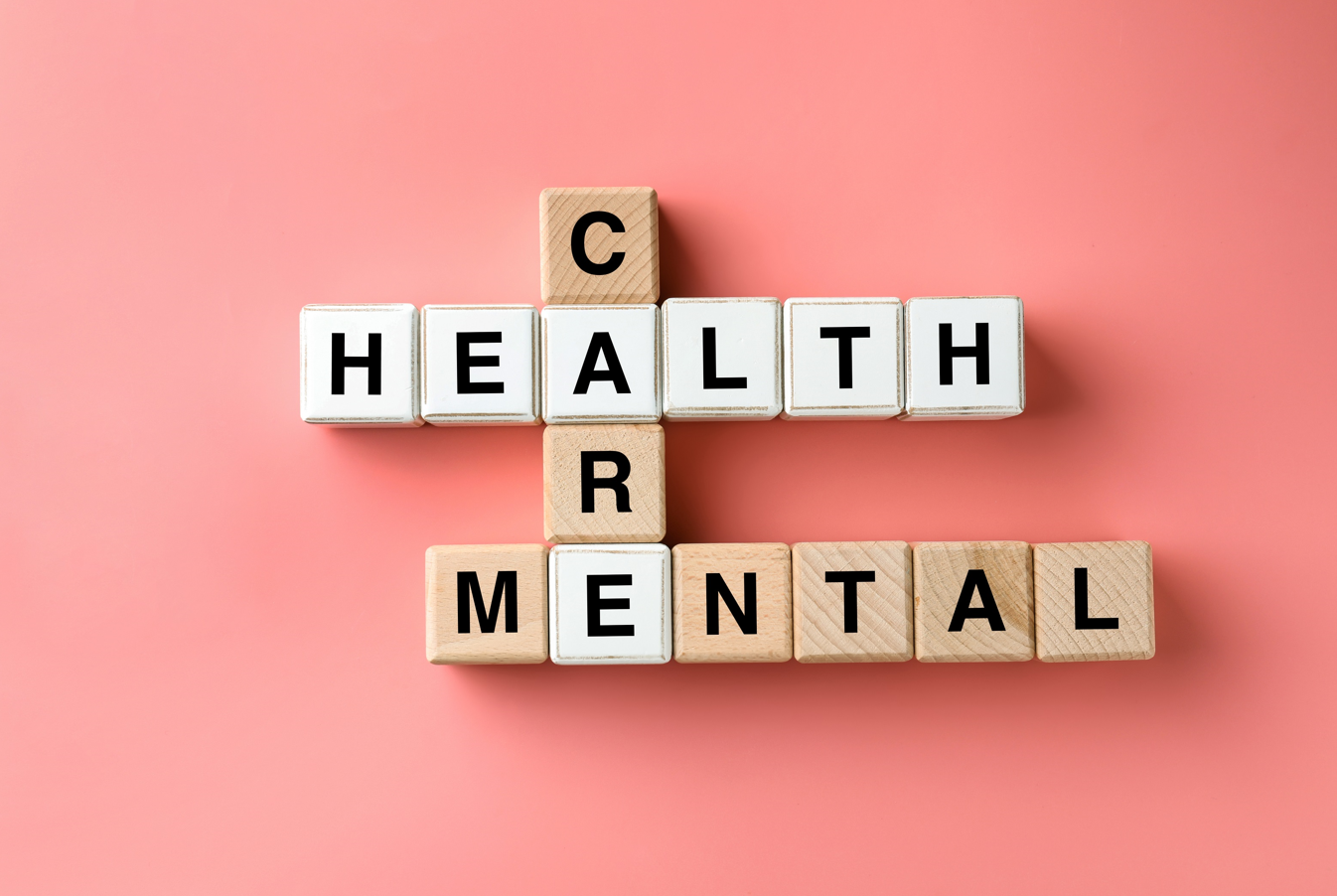
Mental health issues globally are at an all-time high. The Ipsos World Mental Health Survey, which spanned three years and included 23 000 participants across 31 countries, shows South Africans are not coping mentally, ranking highest in mental disorders. Over 70% of South Africans have faced stress levels that make it difficult to cope with life’s demands and more than half have reported feeling so stressed over the last year, that they couldn't even work. In fact, worldwide mental health is a key driver of absenteeism and is set to cost the world $16 trillion by 2030, it also costs millions of lives annually.
The study shows key contributors to our high stress levels include poverty, unemployment, social and political unrest, abuse and trauma stemming from exposure to violence. Dr Themba Hadebe, Clinical Executive of Bonitas Medical Fund, talks about how medical schemes need to be innovative and supportive in terms of recognising and treating mental health conditions.
Mental health education and awareness
The Mental Health Programme (MHP) from Bonitas, part of its Care initiatives, includes depression as a chronic condition. Depression is ranked 5th in the top 10 chronic conditions in South Africa, with bipolar disorder 7th. The MHP is aimed at improving quality of life and empowering people with knowledge, support and resources to get the right care at the right time. It also includes support for family members.
Mental health affecting younger people
The Fund has taken note of a need for additional support for younger members, particularly in the 18 to 44 age groups. This increase in younger people feeling overwhelmed and anxious is partly caused by social media and associated peer pressure.

The stigma behind mental health issues
Increasing awareness and educating people about mental wellness to mitigate the stigma, is pivotal. It will enable people to recognise the signs and symptoms and reach out for help as soon as possible.
Having a mental health condition should never be a reason to deprive a person of their human rights or to exclude them from decisions about their own health. Yet all over the world, people with mental health conditions continue to experience a wide range of human rights violations. Many are excluded from community life and discriminated against, while many more cannot access the mental health care they need.
Fortunately, increasingly well-known and influential people who are suffering from or have overcome mental illness, are being more open about it. This helps to debunk the myths, negativity, discrimination and judgement.
Providing anonymous help
To further mitigate against the stigma, Bonitas offers October Health™ – a free mental health and wellness app. The app provides easy access to expert help, mental health information and community support. It’s a triage system for people with psycho-social issues. Users sign in anonymously and almost all the care they receive on the app is anonymised.
It’s a safe space to learn, ask questions and listen to various topics from parenting to depression. From drop-in digital forest sessions to assessments, private 1:1 therapy and text-based chat, the app guides you through the right care at the right time. A gamified tracking tool allows the user to document and monitor the progress of their personal mental health journey.
Postpartum depression
Bonitas has introduced a mental health component to the Maternity Programme to support mothers who may struggle with depression after giving birth. Many new moms experience ‘baby blues’ after childbirth, which commonly includes mood swings, crying spells, anxiety and difficulty sleeping. Baby blues usually begins within the first two to three days after delivery and may last for up to two weeks.
New moms can experience a more severe, long-lasting form of depression known as postpartum depression. Sometimes it's called peripartum depression because it can start during pregnancy and continue after childbirth. Rarely, an extreme mood disorder called postpartum psychosis, may also develop after childbirth.
Postpartum depression is not a character flaw or a weakness. If you have postpartum depression, prompt treatment can help you manage your symptoms and help you bond with your baby.
Integrated chronic care family practitioner network
There is a direct correlation between chronic diseases and mental health. For 2025, Bonitas has added a mental health component into the GP network to facilitate early disease detection, diagnosis and multi-disciplinary care coordination through the high-quality network of doctors.
Dr Hadebe says, ‘When it comes to mental health, it is important to talk about it more openly to increase awareness, offer proactive support and mitigate the stigma around the diagnosis. Mental health issues are a medical condition just like diabetes, cancer or HIV/AIDS. We can’t expect someone to ‘pull themselves together’. They simply can’t. But with the right support and help, symptoms can be relieved and the recovery rate is encouraging.’
If you are feeling overwhelmed, struggling to concentrate and make decisions, are easily irritated and more aggressive than usual or having thoughts of death or suicide – reach out and seek help: Call the South African Depression and Anxiety Group (SADAG) on 0800 567 567. DM
/file/dailymaverick/wp-content/uploads/2024/11/Dr-Themba-Hadebe-Bonitas-Medical-Fund.jpg "Dr Themba Hadebe - Bonitas Medical Fund")