



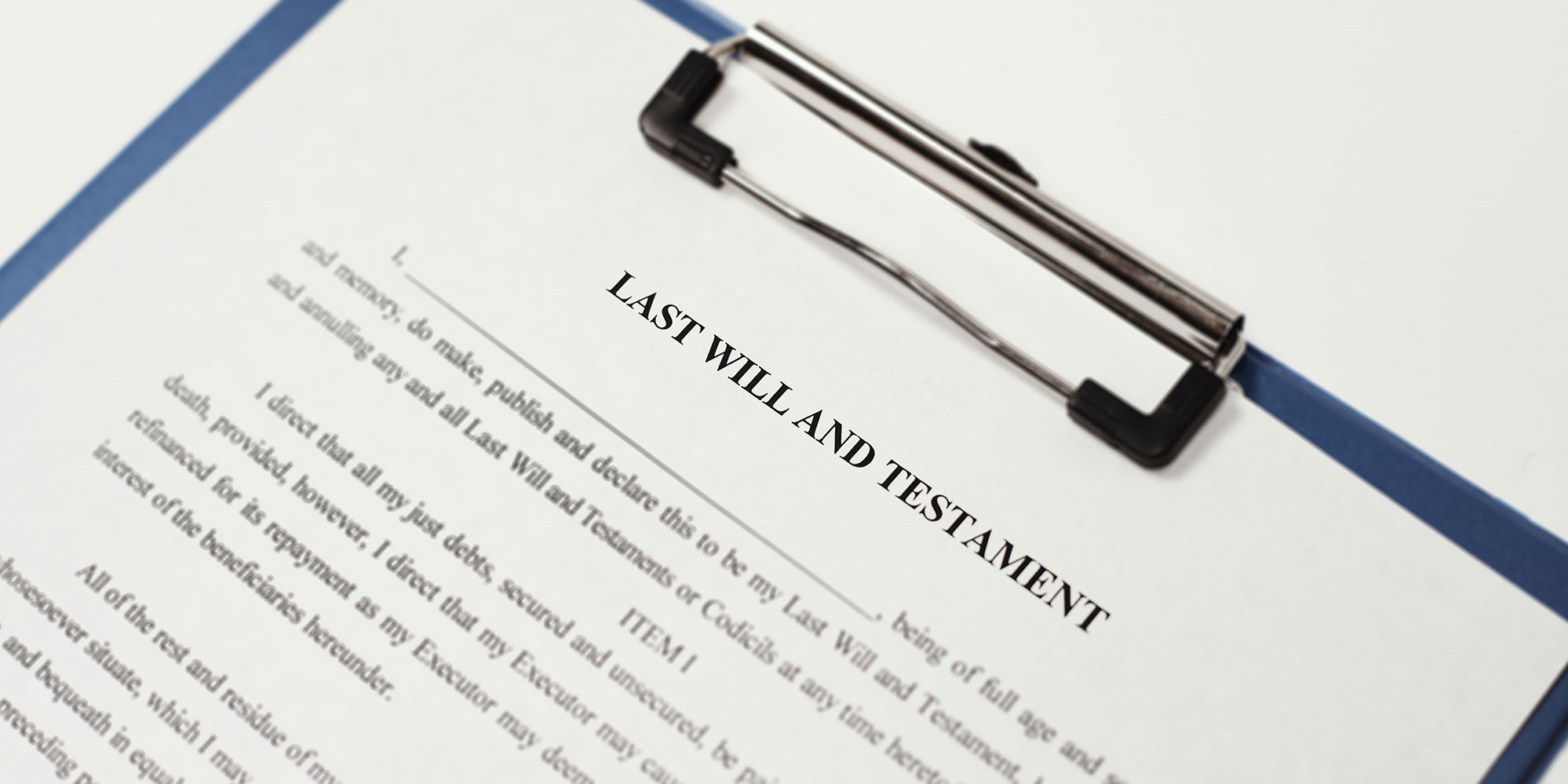
 Illustrative image: If your estate has exposure to offshore assets, you might want to consider transferring the assets to a sinking fund, to reduce tax and cut down on time.(Image: Freepik)
 Question: A friend’s husband passed away earlier this year and the executor says it will take at least three years for his estate to be wound up because he owns shares in the US and the UK. This does seem rather long.
We also have investments in these two countries. What can we do to ensure that we do not have such delays?
Answer: The winding up of an estate when there are offshore assets does take a long time. I have heard of estates with foreign assets taking as long as eight years to be wound up.
The problem is that your original will must be sealed and sent to each country where your spouse owned assets. (In some countries a certified copy may suffice.) Your executor needs to appoint an attorney in that country to apply for a grant of probate. This will allow for your will to be recognised in that country so that those assets located there may be disposed of.
This can be quite a messy and time-consuming exercise, as there are lots of supporting documents that will be needed to get the grant of probate approved. Only then can the process of dealing with the foreign assets be started.
The transfer of foreign assets can also be costly. In South Africa, executor fees are capped at just more than 4%; there is no cap on overseas fees. You will pay the overseas attorneys the hourly rate, which, when you take the exchange rate into account, can be quite high.
Some of the executors I’ve spoken to say that the disposal of offshore assets adds a further 6% to the executor fee. This means that the disposal of your offshore assets could cost you about 10% in executor fees.
In addition to the executor fees, you may be liable for situs tax on these shares. This is sometimes known as an inheritance tax. These are typically about 40%. In the UK, this is triggered once the assets are larger than £325,000 (about R7.5-million). The threshold for triggering the tax in the US is a lot lower at $60,000 (about R1-million).
Capital gains tax (CGT) will also have to be paid on these investments, because South Africa taxes you on your worldwide assets.
In addition to adding a lot of time to the finalisation of the estate, you could see the investment more than halved in value once the various taxes and costs are considered.
Solution
There is a solution that could speed up the transfer of the assets to your beneficiaries and also save you money in terms of taxes and executor fees: move the offshore investments into an offshore-based sinking fund. This will trigger the immediate payment of CGT, but the benefits of doing this are huge:
- As you can attach a beneficiary, the transfer of ownership will be quick – usually a month to sort out the paperwork. It is not dependent on finalising the estate.
- You do not have to apply for a grant probate, which will save you about 6% in legal fees.
- You do not pay executor fees, as the transfer of the asset is done through a beneficiary nomination. This will save you a further 4% in fees.
- You will pay South African estate duty of between 20% and 25% instead of situs tax of up to 40%. This would not have to be paid until the death of the last spouse, which is not always the case with situs tax.
- You do not pay CGT when the ownership of a sinking fund is transferred. It is only payable when you make a withdrawal from the fund.
As you can see, a bit of planning ahead of time can ensure that your assets are transferred efficiently and with the least amount of leakage in the form of taxes and costs. DM
Kenny Meiring is an independent financial adviser. Contact him on 082 856 0348 or at financialwellnesscoach.co.za. Send your questions to kenny.meiring@sfpadvice.co.za.
This story first appeared in our weekly Daily Maverick 168 newspaper, which is available countrywide for R35.
