



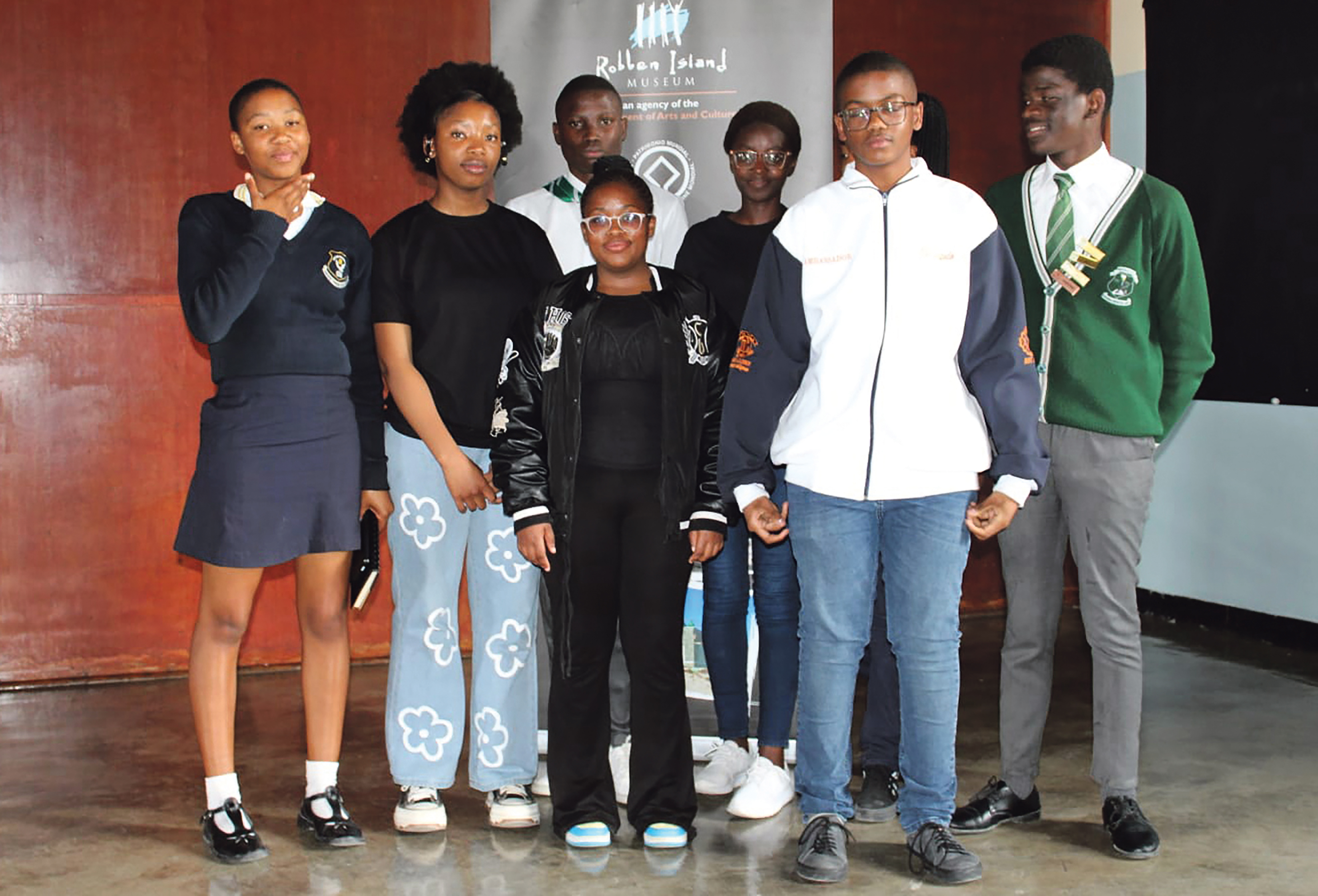
 Pupils from different provinces at the Robben Island Museum on 27 September 2024. (Photo: Robben Island Museum)
 Since 1998, the Robben Island Spring School programme has brought together pupils, teachers, ambassadors, organisations and professionals.
This year, more than 70 diverse pupils tackled pressing issues through projects centred on the theme “Youth-Driven Innovation: Pioneering Sustainable Development in Africa, Celebrating 30 Years of South African Democracy”.
This year marked a significant expansion, as Tangible Africa joined the programme for the first time, bringing valuable expertise in computing science.
The young minds selected for this year’s spring school arrived on the island two weeks ago. They were divided into elective groups under the guidance of experienced facilitators, and were assigned projects, aligned with higher education courses, to work on for the rest of their stay.
/file/dailymaverick/wp-content/uploads/2024/10/IMG-20240930-WA0052.jpg "Pupils at the Robben Island Museum on 27 September 2024. (Photo: Robben Island Museum)")
Showcases
On the final day the pupils presented their projects, demonstrating impressive work from each elective, which included:
Debate: Pupils engaged in thought-provoking discussions about modifying the island.
Agriculture: The “Robben Island Potatoes” initiative promoted food security, marking the island’s first potato cultivation since it became a museum.
Digital tools: Pupils created a website, QR code and educational game in three days.
/file/dailymaverick/wp-content/uploads/2024/10/IMG-20240930-WA0113.jpg "Pupils at the Robben Island Spring School on 27 September 2024. (Photo: Robben Island Museum)")
Computer science: Under the guidance of Lizwi Gwaza, Tangible Africa’s project coordinator, the youngsters created two innovative apps that aim to enhance hospital efficiency and provide educational support for teachers and pupils.
Creative writing: Winners of a nine-province essay-writing competition received laptops, tablets, phones and goodie bags.
Read more: A day in the life of prisoner 259/64 on Robben Island
Radio: Pupils demonstrated presenting skills acquired during a job-shadowing day at Bush Radio.
Film: A short film recorded in the island prison showcased acting, directing and producing skills.
Print media: Pupils used research and writing skills to tell compelling stories.
Nomvuzu Mayongo, education officer at Robben Island, said the Spring School 2024 exhibition coincided with South Africa’s 30-year democracy celebration, making it an unforgettable experience.
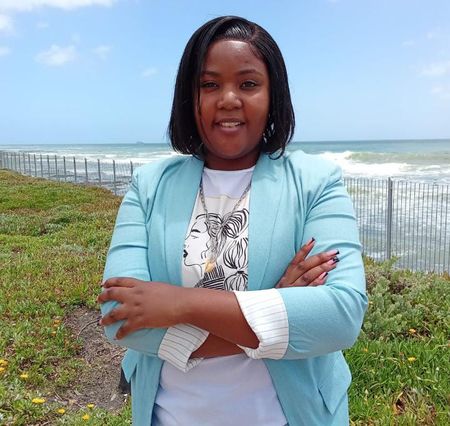
/file/dailymaverick/wp-content/uploads/2024/10/Nomvuzo.jpg "Robben Island education officer Nomvuzu Mayongo. (Photo: Lisakanya Venna)")
Who is chosen for the spring school?
Mayongo said pupils all over the country are given research tasks, and those who excel are selected. “We work with the Department of Education nationally, we work with museums nationally, we work with foundations nationally and heritage sites, we give them our target audience,” she said.
“We are working with the SADC region, Botswana, Namibia, Lesotho, Swaziland, Zimbabwe and the Kingdom of Eswatini and many other countries. We want to expand this programme to many countries in Africa because we have seen that it can build young people into leaders… like Mandela.”
/file/dailymaverick/wp-content/uploads/2024/10/20240927_113155.jpg "Tangible Africa founder Jean Greyling on Robben Island on 27 September 2024. (Photo: Lisakanya Venna)")
The founder of Tangible Africa and head of the Nelson Mandela University computing sciences department, Associate Professor Jean Greyling, was impressed by the pupils’ design skills.
“What impresses me is that they were really honestly applying design thinking, and identified two real problems in their communities and then within four days developed an app using co.org that addresses [those problems].
“But looking at the whole day, in essence, that’s what all the groups did, whether it was art or music. All of them reflected on issues in society and addressed those issues in their specific elective,” Greyling said.
Extending the legacy
The initiative extends its impact through a rigorous post-event selection process, cultivating future ambassadors. After the programme, participants submit letters detailing why they should return as ambassadors. They are evaluated on determination, passion and conduct. DM
This story first appeared in our weekly Daily Maverick 168 newspaper, which is available countrywide for R35.
