




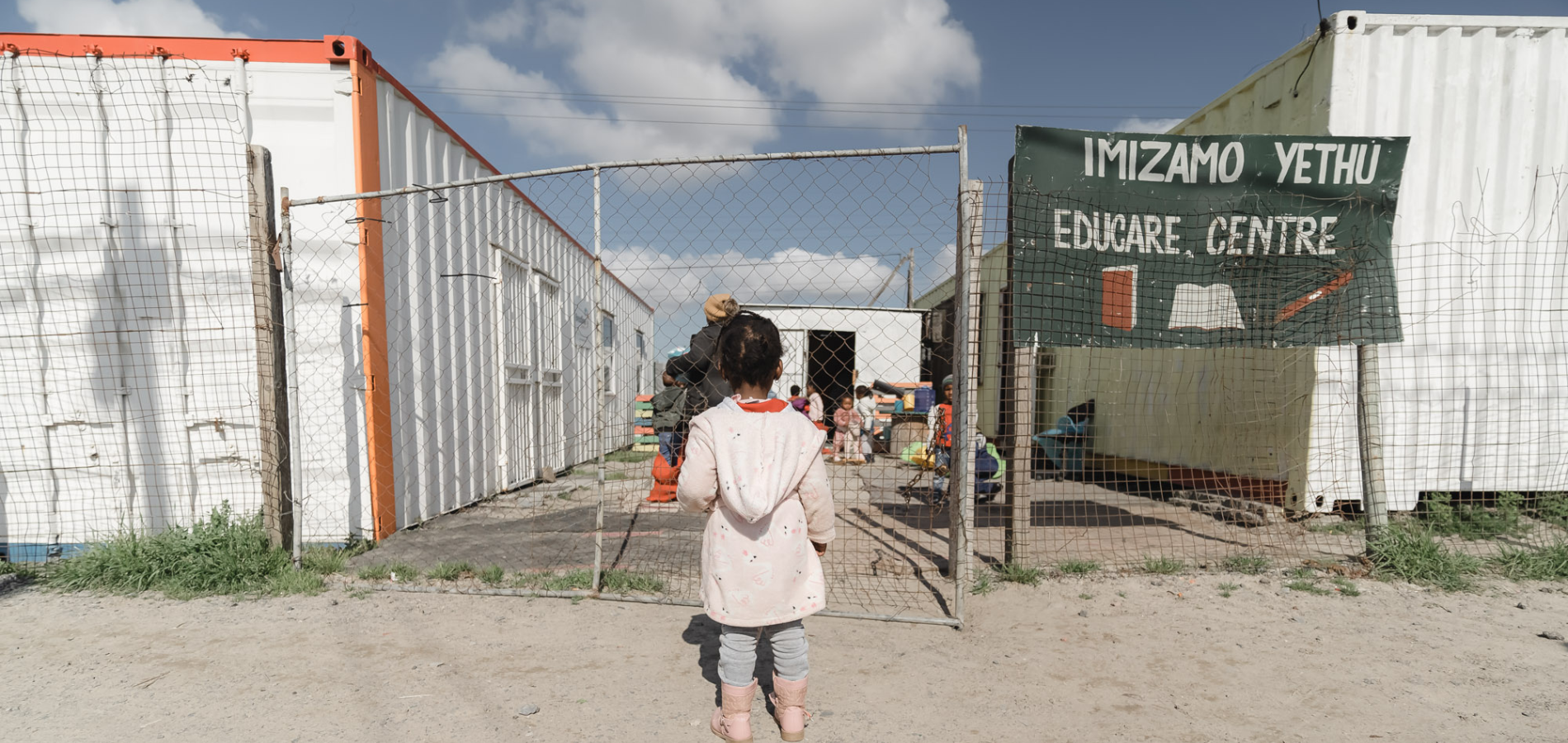
The Human Capital Index (HCI) reveals a troubling stagnation over the past decade. A child born today in South Africa is expected to realise only 43% of their potential by adulthood (World Bank, 2021). This stagnation highlights a pressing need for a transformative approach to early childhood care and education (ECCE).
Current statistics underscore the urgency. Only one-third of South African children under five are developmentally on track (Thrive by Five, 2022), and a staggering 80% of Grade 4 students struggle with reading comprehension (PIRLS, 2023). The NEET (Not in Education, Employment, or Training) rate exceeds 30%, with many young people, especially women, remaining excluded due to gender norms and inadequate support for caregiving roles.
These figures reveal that addressing quality in ECCE is as crucial as increasing access. Effective early childhood development requires more than just enrolment; it demands high-quality care that nurtures children’s growth from birth through their formative years.
Research consistently shows that investing in high-quality ECCE yields substantial returns. Access to quality care and education for children aged three and four can lead to up to a 7% increase in human capital, benefiting the workforce and economic development. However, these benefits are realised only if quality accompanies access. By focusing on delivering integrated ECCE programmes that enhance health, nutrition, mental well-being, and earning capacity, we can boost these returns from 7% to 13%, fostering long-term improvements across generations.
The Nurturing Care Framework for Early Childhood Development and the National Integrated ECD Policy offer a valuable blueprint. They emphasise the importance of combining healthcare, nutrition, responsive caregiving, early learning, and safety from birth. Yet, these interventions often lack the necessary cohesion at the implementation level.
To drive lasting change, we must lead and coordinate the development and testing of comprehensive ECCE programmes within the current policy framework. This involves strengthening legal and accountability structures, advocating for integrated policies, and implementing projects that address key gaps, are sustainable, and show clear improvements in outcomes.
Empowering parents and caregivers with the knowledge and resources to provide nurturing care from birth is also essential. Collaborating with partners to mobilise resources, align with global standards, and influence policy and budget priorities is equally important.
South Africa’s future depends on its ability to nurture its youngest citizens effectively. By prioritising quality and integration in early childhood care and education, we can achieve significant improvements in development outcomes, breaking cycles of inequality and exclusion. This will require collective effort, strong leadership, and unwavering commitment to ensuring every child receives the care and education they deserve from the start.
The time for action is now. With dedicated efforts, we can secure a brighter, more equitable future for all South African children. DM
By Khulekani Dlamini, Chair of the Breadline Africa Board of Directors 