




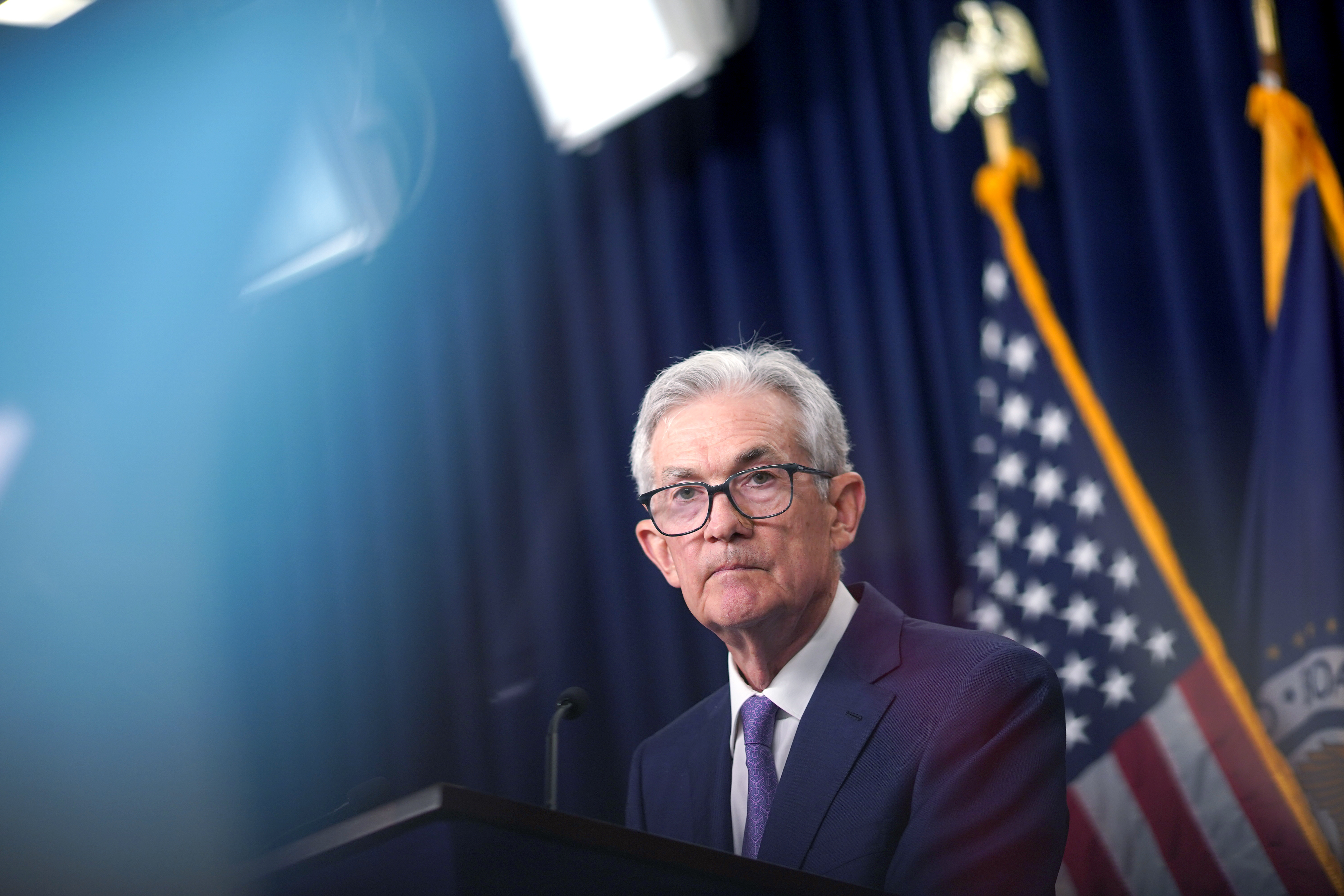
 Federal Reserve chairman Jerome Powell emphasised mounting signs of a cooling job market after government data showed a third consecutive month of rising unemployment.
Read More: Fed’s Favored Inflation Gauge Slows, Supporting Case for Cut
But some Fed officials have begun to elevate the labor market as a point of concern. Hiring has also cooled, and the unemployment rate — while still historically low at 4% — has edged higher in recent months.
Inflection Point
San Francisco Fed President Mary Daly said last week that the job market is nearing an inflection point, where further slowing could lead to rising joblessness. Powell expressed a similar sentiment, noting the US is getting to the place where further declines in job openings have traditionally meant higher unemployment.
“He is telling us they are nervous” about the labor market, said Priya Misra, a managing director at J.P. Morgan Asset Management. “They have seen the slowing and they don’t want it to accelerate. They are getting vigilant.”
US central bankers have held their policy rate in a target range of 5.25% to 5.5% — a more than two-decade high — since last July.
The last reading on inflation, and to a lesser extent the one before it, “suggest that we’re getting back on a disinflationary path,” Powell said. “What we’d like to see is more data like what we’ve been seeing recently.”
US Treasury yields veered lower as Powell began speaking, though an unexpected rise in job openings has since helped to pare the earlier decline. Traders in the swaps market continued to price in almost two rate cuts for this year.
The US economy has been remarkably resilient amid high borrowing costs, but there are signs restrictive Fed policy is having an impact. Along with a broader cooling in labor demand, home sales have slowed, delinquencies on credit cards and auto loans have risen and consumer spending has moderated.
Global Picture
Other central banks around the world have already begun to lower interest rates, including the ECB and Bank of Canada. Lagarde emphasized in comments Monday, however, that the central bank doesn’t yet have sufficient evidence the threat of inflation has passed.
Read More: Lagarde Says ECB Needs Time to Weigh Inflation Uncertainties
Brazil began lowering rates almost a year ago, though the central bank held borrowing costs steady at its meeting last month.
With fiscal uncertainties and concerns about the bank’s tolerance for inflation in the years ahead weighing on domestic assets and price expectations, Brazil’s Campos Neto stressed inflation will converge back to the country’s 3% goal.
“What the markets price in today is not in sync with the reality,” he said Tuesday. Traders cut back on rate hike bets after his remarks.
Comments
Scroll down to load comments...