




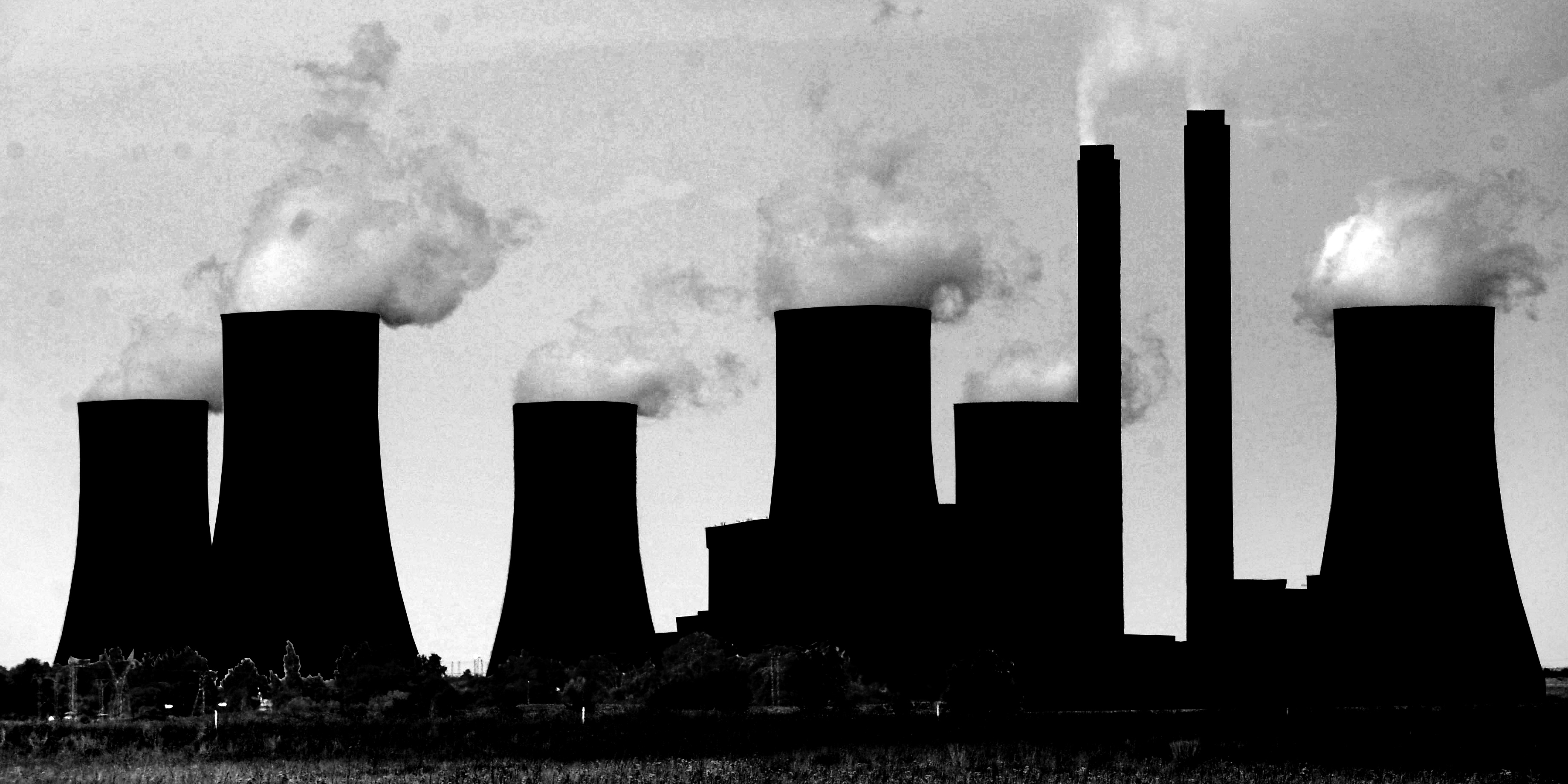
 Illustrative image | Sources: The cooling towers of Eskom’s Lethabo coal-fired power station in Vereeniging. (Photo: Leon Sadiki / Bloomberg via Getty Images) |
 Read more: Death Toll of India Heat Wave Mounts, Delhi Faces Water Shortage
Climate change is exacerbating the effects of extreme weather with the past 12 months seeing the global average temperature 1.63C higher than pre-industrial levels, and above the 1.5C threshold that policymakers and scientists say threatens life on the planet.
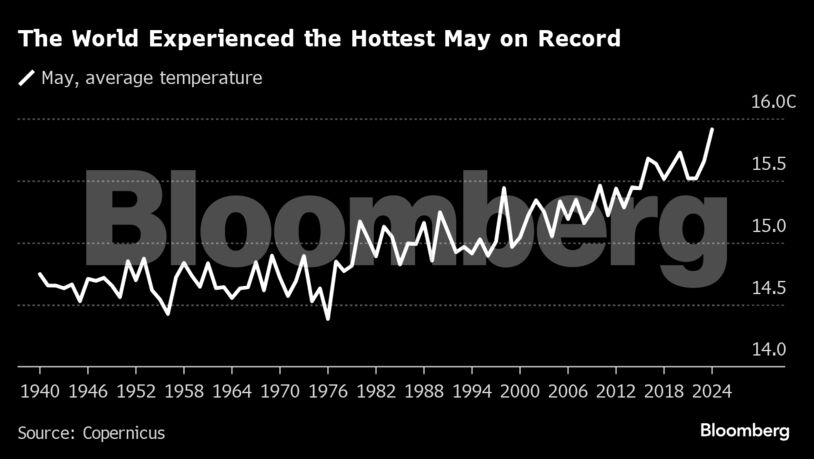
“It is shocking but not surprising that we have reached this 12-month streak,” Copernicus’ director Carlo Buontempo said in a statement. “We are living in unprecedented times, but we also have unprecedented skill in monitoring the climate and this can help inform our actions.”
Read more: Cities Appoint Heat Officers to Cope With Record Temperatures
The northern hemisphere is bracing for another extreme summer after scorching heat threatened the health and livelihoods of millions last year.
California and the US Southwest are looking at their first major heat wave this week with temperatures expected to breach 40C. More blistering days are expected later in June. High temperatures in Europe also mean the threat of wildfires is reaching extreme levels in Greece and Spain, with risks also spreading to the French Riviera.
India has blown past 50C last month with nearly 100 deaths recorded in the last few days in one of the worst-affected states. The UK beat the 2008 record for the hottest May with average temperatures set to rise in June as well.
Read more: Goodbye El Niño, But La Niña Won’t Be Much Relief
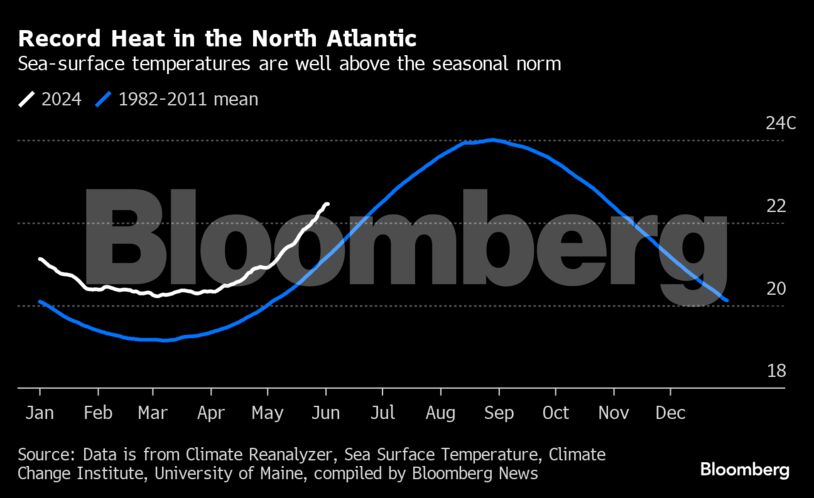
Currently a strong El Niño or warming in the Pacific which has driven some of these record temperatures is winding down. La Niñas often follow intense El Niños leading to a drastic shift in weather patterns — bringing droughts to some places even as it produces flooding and hurricanes in others.
La Nina occurs when the surface of the Pacific Ocean along the equator cools and the atmosphere above it reacts.