




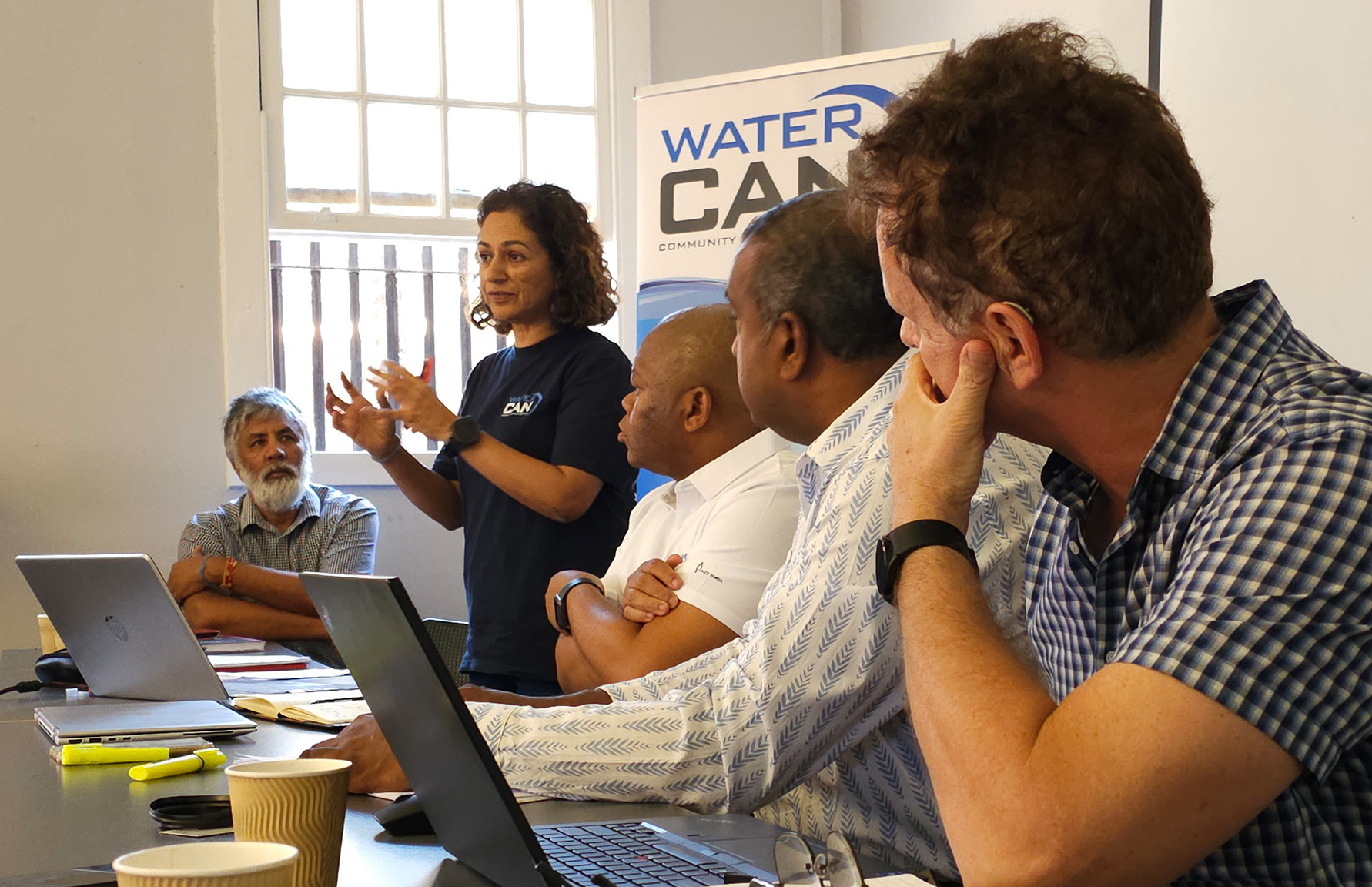
 Organisations such as JoburgCAN, the South African Water Caucus, and Action for Accountability were present at the weekend meeting with utility officials. (Photo: WaterCAN)
 More often than not, meeting attendees keep talking until they are kicked out of their conference rooms or the top of the hour hits and people have to bounce over to their next engagement.
Instead, people should be wrapping up meetings three to five minutes before the stated ending time to start what Rogelberg terms an adequate “closing process.”
During this time, whoever is leading the meeting should succinctly recap what was said, what the next action items are and who will be directly responsible for completing the upcoming tasks. They should set specific deadlines and outline what follow-up is expected.
If the end of the allotted meeting time has arrived and there are still undiscussed agenda items, the person who called the meeting should state what those outstanding items are and when those things will be discussed next.
And finally, Rogelberg said leaders need to get better about ending meetings on time.
Meetings that go over run the risk of creating resentment among attendees, who often have to rush to their next meeting and may worry about being late.
That feeling sticks with you and negatively effects productivity afterward. “We don’t want people ruminating over a bad meeting and then infecting other people with that negativity,” he said.
So next time that meeting-goer asks to bring up one last thing, politely smile, decline, and suggest they follow up with an email.
Comments
Scroll down to load comments...