




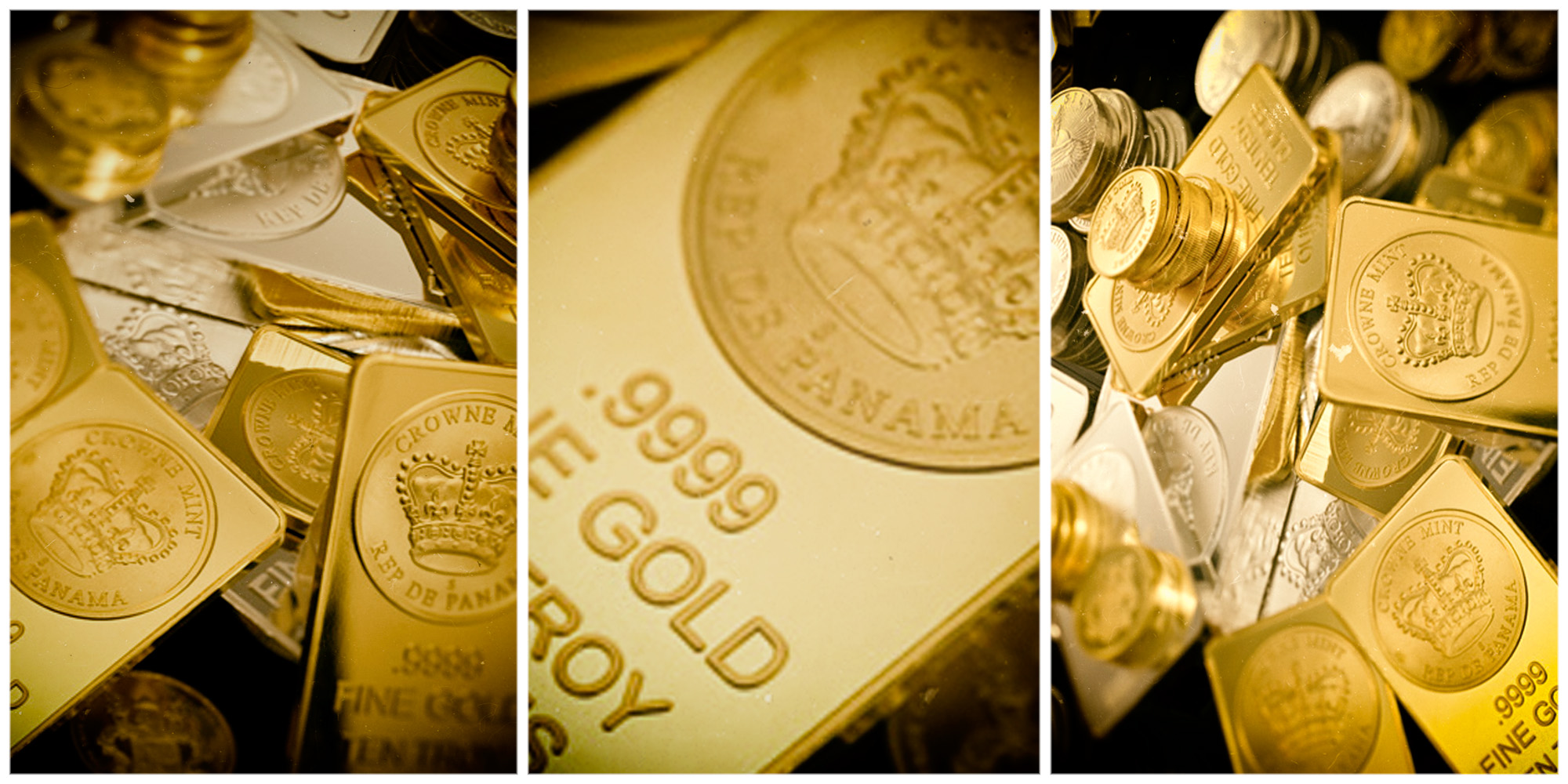
 It is probably no coincidence then that central banks, which are known to be conservative, bought 374.1 tons of gold in the first half of 2019, says the writer. (Photo: Mark Herpel / Flickr)
 “Job done,” Rhona O’Connell, head of market analysis for EMEA and Asia at INTL FCStone, said in a note. “The price is now back to where we started.”
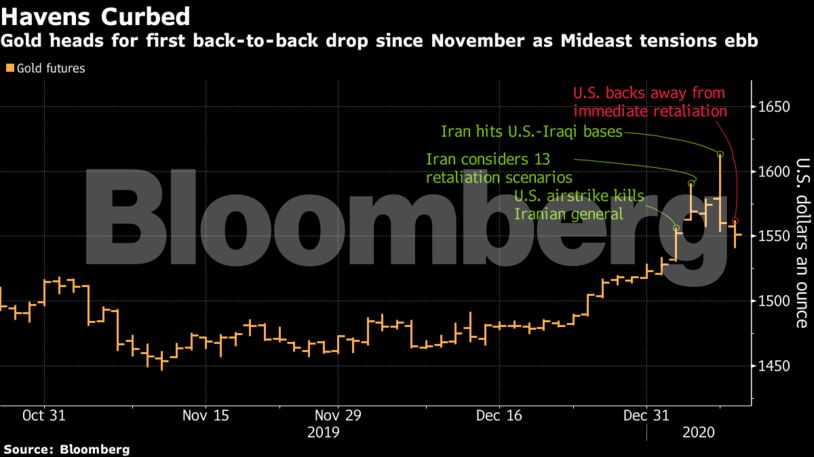
Gold futures for February delivery fell as much as 1.2% to $1,541 an ounce, about $13 from the last closing price before the U.S. strike. The metal settled 0.4% lower to $1,554.30 at 1:32 p.m. on the Comex in New York, notching the largest two-day decline since early November.
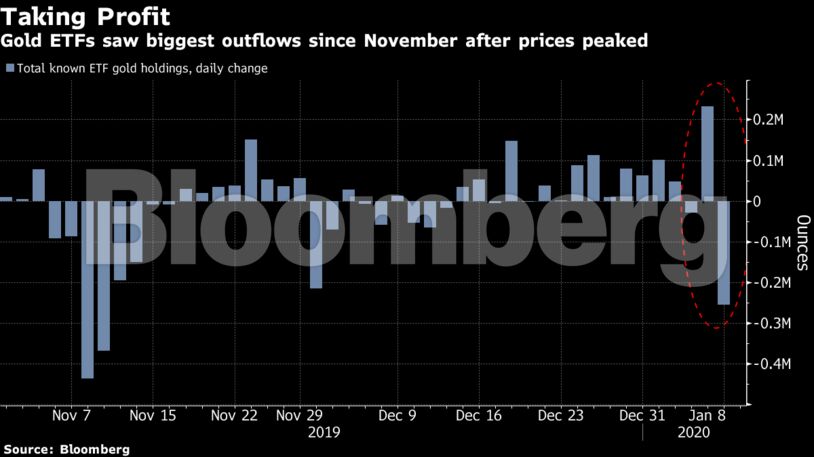
Bullion-backed exchange-traded funds also saw a sell-off on Wednesday, with holdings dropping the most since November, according to preliminary data from ETFs tracked by Bloomberg.
“Pullback today in gold was expected sooner or later,” George Gero, a managing director at RBC Wealth Management, said Thursday in a note. “Gold had climbed stairs up and took the elevator up and down based on Iran conflict headlines and we are back to basics now which can support gold.”
As tensions ease, investors will be weighing the outlook for the U.S. economy and whether any change is likely in monetary policy from the Federal Reserve, which cut rates three times in 2019 before pausing. On Friday, traders will get the latest monthly nonfarm jobs report. Filings for U.S. unemployment benefits fell to a five-week low, according to the latest data released Thursday. And on Wednesday, ADP Research Institute data showed companies added the most jobs in eight months in December.
Meanwhile China confirmed that Vice Premier Liu He will travel to Washington to sign the first phase of the trade deal with the U.S. next week, at least temporarily calming fears of an escalating trade war between the world’s two largest economies.
Prices may retreat to $1,500 an ounce or possibly even below that over the next couple of months if real yields recover and concerns over global growth ease further, said Macquarie Group Ltd. strategist Marcus Garvey.
| Other Global Drivers |
|---|
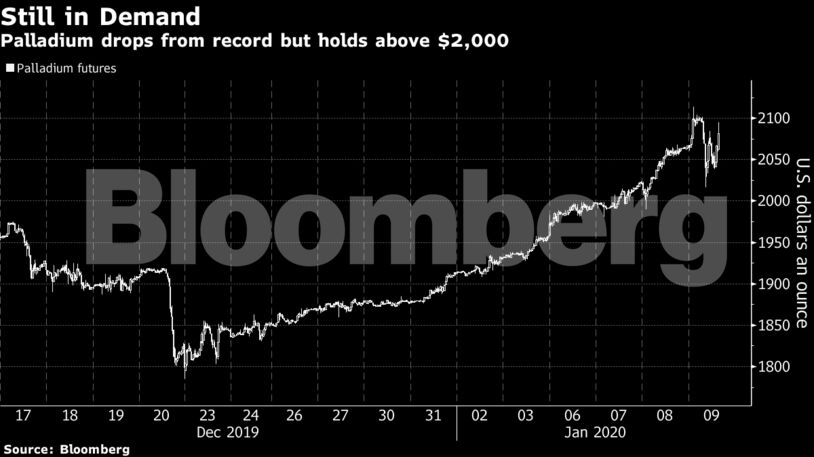
In other precious metals, silver futures declined on the Comex while platinum rose on the New York Mercantile Exchange. Palladium futures touched a fresh record of $2,114 an ounce earlier Thursday before erasing gains as China reported a second straight annual slump in car sales. The metal is still up about 8% this year.
“An ongoing deficit should justify further gains in palladium prices this year,” Metals Focus said in a note Wednesday. “That said, calling the market’s top is tricky given the speed of the rally and the fact that the palladium market is comparatively small and hence relatively inelastic.”
--With assistance from Ranjeetha Pakiam.
To contact the reporters on this story:
Elena Mazneva in London at emazneva@bloomberg.net;
Justina Vasquez in New York at jvasquez57@bloomberg.