



The Fed cut, as widely expected, lowering the target range for the federal funds rate 25 basis points to 2% to 2.25%. Policy makers based their decision on global developments and "muted" inflation pressures and left the door open to further reductions. Chairman Jerome Powell said the cut was designed to "insure against downside risks" rather than signal the start of a lengthy cycle of monetary policy easing. "It's not the beginning of a long series of rate cuts," he said, adding: "I didn't say it's just one" cut. No matter how he couched it, it wasn’t going to be enough to mollify Donald Trump. “As usual, Powell let us down,” the U.S. president tweeted. A sell-off in U.S. stocks is poised to extend to Asia after Chairman Jerome Powell dented hopes the Federal Reserve is poised to continue easing after delivering the first interest-rate cut in over a decade. All three major U.S. indexes fell more than 1%, with the S&P 500 dipping as much as 1.8% before paring losses to close down 1.1%. The Treasury curve flattened as short-end yields rose, driving the gap between 2- and 10-year yields to its lowest levels since March. Gold sank, the dollar gained and oil rose to its highest in more than two weeks. U.S.-China trade talks will resumein September in Washington. The Shanghai negotiations included China's confirmation of a pledge to boost purchases of farm goods—a key U.S. demand—the White House said. Other topics included technology transfers, IP and non-tariff barriers. Tariffs or no tariffs, Chinese companies will probably show little interest in buying American corn. That’s because the jump in Chicago benchmark futures since May has wiped out the price advantage over domestic supplies, according to Yigu Info Consulting. U.S. prosecutors have charged a Chinese billionaire in what they believe is one of the largest tariff-related cases ever brought by the Justice Department. Zhongtian Liu was accused of scheming to avoid $1.8 billion in American levies on aluminum, prosecutors said. He and others with China Zhongwang Holdings, Asia's largest aluminum extrusion company, lied to customs agents to avoid duties imposed in 2011 on certain types of extruded aluminum imported into the U.S. from China. Southeast Asia's foreign ministers warned in a communique that continued incidents in the South China Sea have "eroded trust" and may undermine regional stability. They aired their concerns the same day Chinese Foreign Minister Wang Yi touted a preliminary draft on a code of conduct meant to manage the decades-long conflict over the disputed waters.Snip, Snip
Markets Sink
Trade Talks
Billionaire Charged
Troubled Waters
This article is more than 6 years old
Business Maverick
Thursday, August 1: Five Things You Need to Know to Start Your Day
The Fed cut interest rates, surprising no one. Trade talks between the U.S. and China will return to Washington in September. And the U.S. charged a Chinese billionaire for evading levies on aluminium. Here are some of the things people in markets are talking about today.
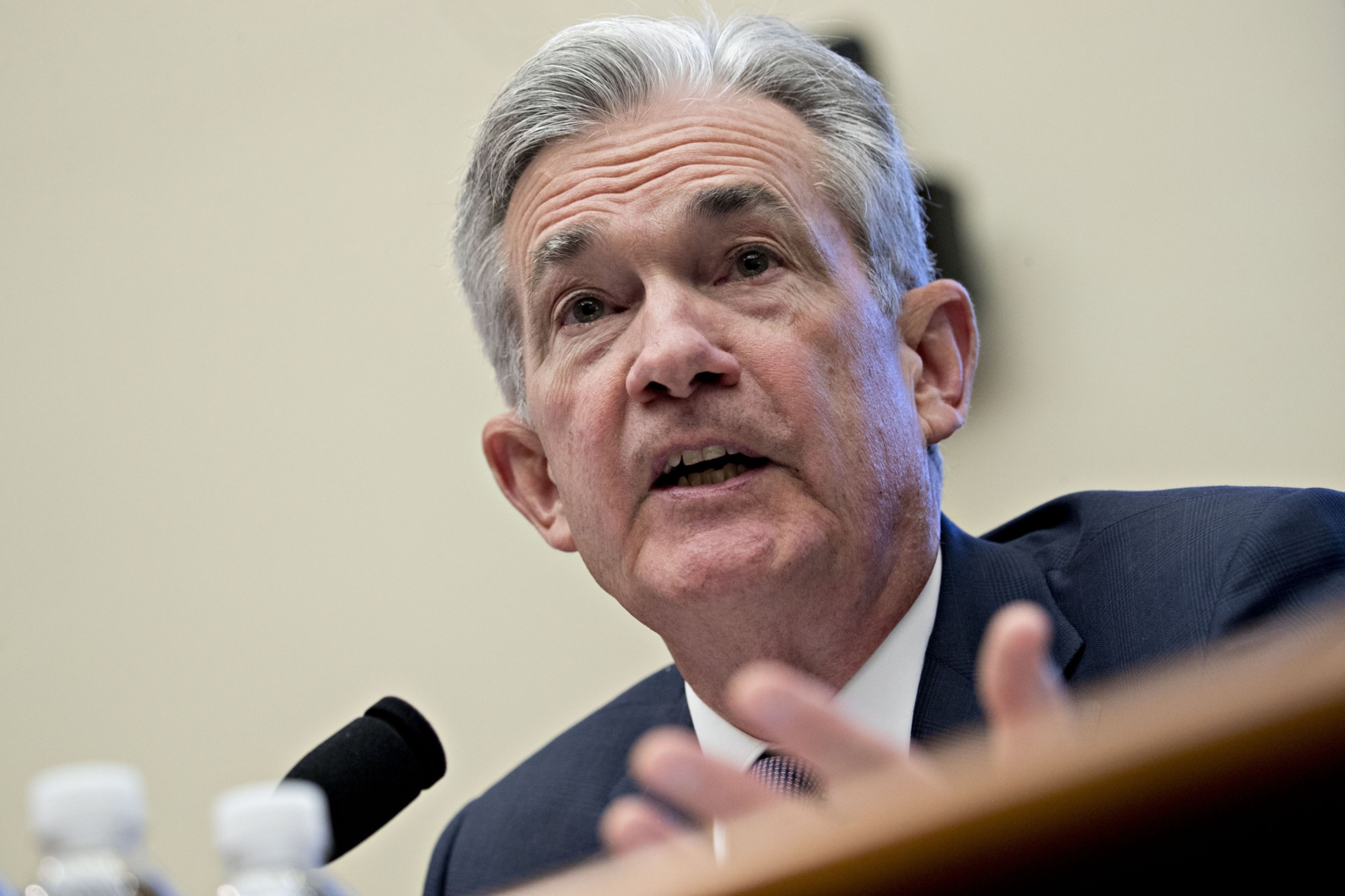 Jerome Powell, chairman of the U.S. Federal Reserve, speaks during a House Financial Services Committee hearing in Washington, D.C., U.S., on Wednesday, July 10, 2019. Powell said today that downside risks to the economy remain with trade wars softening business investment and weak inflation, signaling that policy makers may be poised to cut interest rates as soon as this month. Photographer: Andrew Harrer/Bloomberg