



ANC MP Amos Masondo had a list of questions, including on regime change. “Is this organisation (SALC) foreign-controlled and foreign-run?”, “Who are you?”,“ Who is funding you and who is funding your funders?”, “The al-Bashir case, how much has the case cost you? And where you got the funding, obviously?”
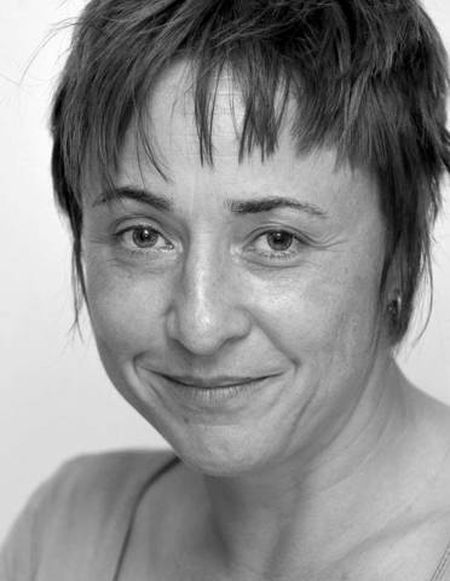
Ramjathan-Keogh replied resolutely on the one on foreign control. “I’m surprised at this question. And I take deep offense at this question. We are an independent human rights organisation, who are working on the Constitution of this country (and others).”
She had been included on the shortlist due to her international experience, but when it came down to it, the interview became a political ambush. And one that ripped open political fault lines among MPs on the benches of the Old Assembly Chamber.
Economic Freedom Fighters chief whip Floyd Shivambu said “litigation against the state does not make you an enemy of the state”, while DA MP Phumzile Van Damme added: “We are not here to appoint a government protector”.
African Christian Democratic Party (ACDP) MP Steve Swart, who had tried to stop the line of question as “not fair”, moved for the withdrawal of these questions because “to create the impression that she is foreign controlled is offensive”.
Masondo, who had been blunter than his party colleagues, would have none of it. “I’ll never, ever withdraw. Not in this meeting, not anywhere else. I posed that question and it remains.” And committee chairperson Makhosi Khoza let it go.
“If there has been any offence. This was not the intention,” she said. “You are bringing the international dimension. We may not agree with your views, but you can articulate your views and you are making them clear.”
The public interest litigation centre works in 11 southern African countries. It focuses on human rights, particularly freedom of expression, health, women’s land and property rights, access to justice and rule of law cases. It has won key cases, including one in Namibia against forced sterilisation of HIV-positive women. “All this work operates quietly because the media is not interested,” Ramjathan-Keogh said.
Earlier she explained how the al-Bashir matter, centred on the rule of law, was unexpected. Previously government had dissuaded the Sudanese president from attending, for example, President Jacob Zuma’s 2009 inauguration.
But there was “zero cost” in the SALC’s first urgent case in the al-Bashir case as it drafted the papers filed late on Saturday night and counsel worked on a no fee basis. Costs are now accruing. “We had to defend it (in the Supreme Court of Appeal and in November in the Constitutional Court). This is because the state is taking it on appeal. We had to seek funds to continue to defend,” she said, adding local donors are involved. “So, South African Rands are defending the on-going case.”
Many in the ANC and government, including State Security Minister David Mahlobo, seem to haul out “concerns” over NGOs representing foreign interests when confronted with uncomfortable challenges to how the governing party wants to do things. Such allegations emerged amid the contestation over Public Protector Thuli Madonsela’s Nkandla probe, but also in the tumultuous twists in labour federation Cosatu against the then General Secretary Zwelinzima Vavi. Others so accused include EFF leader Julius Malema, and his party, and even last year’s #FeesMustFall movement across South Africa’s campuses.
Mahlobo’s State Security Agency (SSA) entered the picture more directly when it came to Deputy Public Protector Kevin Malunga. In a letter, seen in part by Daily Maverick, the SSA said Malunga was not suitable for the position as his birth in Zimbabwe prevented him from getting the top security clearance needed for the Public Protector’s post. He only qualified for confidential security clearance. Malunga arrived in South Africa in 2005 and naturalised as citizen in 2010. With regards to the other candidates, security investigations revealed no issues, SSA wrote.
Asked about his citizenship by Khoza - the Public Protector must be a South African citizen - Malunga confirmed he renounced his Zimbabwean citizenship in 2010.
And that’s where Khoza wanted to leave the matter, pending further inquiries with the SSA. However, Van Damme asked on what law the SSA made this security clearance determination (it’s not a requirement of the Public Protector Act), while Shivambu unsuccessfully argued the committee could not proceed: “Mahlobo says there’s a problem. What do we do?”
Swart, who served on the justice committee that appointed Malunga as deputy four years ago, expressed puzzlement as the security clearance issue was not raised before by SSA. “None of these issues were raised then. Suddenly on the fourth of August we get this letter… Why wasn’t it raised then? He acted as public protector 30 times… It doesn’t seem right to me,” said Swart.
Two other nominees declared SSA links in their applications: Muvhango Antoinette Lukhaimane, the Pension Funds Adjudicator since July 2013, spent seven years at SSA as research and human resources manager and chairperson of the intelligence services council, and Busisiwe Joyce Mkhwebane joined SSA as analyst on 1 July.
As the hours ticked on, tempers frayed occasionally, but broadly-speaking the script stayed the same. The ANC MPs asked candidates about “antagonistic” relationship of the Public Protector and other spheres of state, the Public Protector’s independence and role in nation-building and/or national unity, the impact of corruption and whether the Public Protector should not investigate other matters.
The ACDP in numerous ways asked how the financial constraints of the Public Protector’s office should be handled and the EFF raised the Nkandla scandal as well as dealing with complaints against the executive.
DA MPs asked broad questions on the Public Protector’s role, but also highlighted details like two default judgements against Advocate Michael Mthembu (there was no space on the application form) and the non-disclosure of her suspension by Mamiki Goodman, the former deputy public protector now serving as National Gambling Board chief compliance officer (the questionnaire had asked about disciplinary proceedings in “previous employment”, not the current job).
Western Cape High Court Judge Siraj Desai got a relative easy ride, as did Nonkosi Cetywayo, the sheriff of the court for Belville, who once was executive director of the Speaker’s office and one-time advisor in the presidency and the co-operative governance minister. If there was a criteria for figuring out the ANC’s preferred candidate, this was it. The word in the Old Assembly Chamber was Cetywayo was a frontrunner.
Some candidates went through the interviews with barely a ripple, leaving it unclear why they made the shortlist. Others sparked giggles, like Advocate Chris Madibeng Mokoditwa when asked about his 77 years of age. “I am fit,” he said, adding he recently walked 15 kms in the Soweto marathon: “If I can do that, this is nothing”. And then there were the bizarre moments: the Public Protector could also investigate bribery for driver’s licences, suggested Deputy Director of Public Willie Hofmeyr.
It was midnight when Hofmeyr, the one time boss of the Special Investigation Unit (SIU) and Asset Forfeiture Unit, was grilled on his role in the dropping of 783 corruption charges against Zuma, the related spy tapes saga and taking a view against his boss for dropping in the tangled saga of internal National Prosecuting Authority (NPA) wrangling.
Then there was a refreshing breeze of honesty why he wanted to leave the prosecuting authority where he heads legal services, a job he described as “a post box” service. “I can’t say it’s a job that makes me jump out of bed in the morning, or a job that keeps me busy for more than three hours a day,” Hofmeyr said quietly. DM
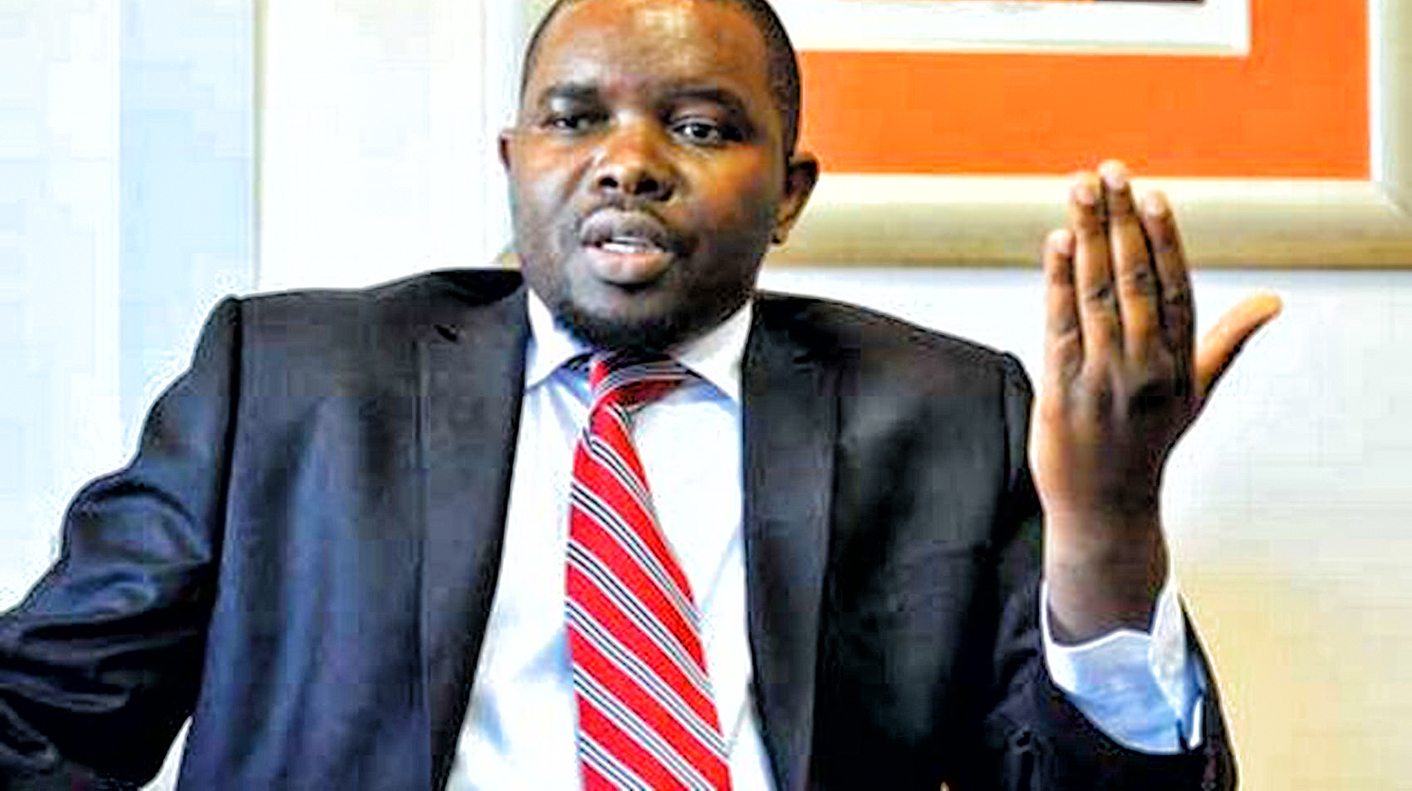
Photo: Deputy Public Protector Kevin Malunga (Daily Dispatch)
Comments
Scroll down to load comments...