




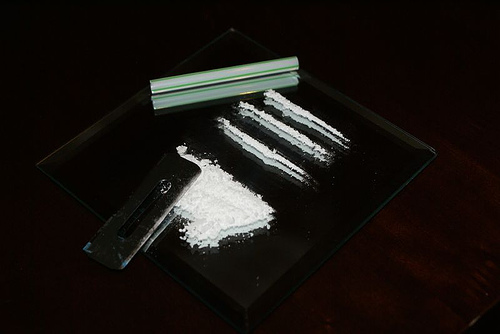
Researchers at Yale University School of Medicine in the US have come up with an experimental cocaine vaccine that limits the drug's ability to affect the brain. Fifty-five participants taking part in trials received five doses of the vaccine, with 38% achieving higher cocaine antibody levels than those who received a placebo. This basically means that cocaine-induced euphoria is reduced, making it less tempting to take the drug in the first place. Of the 38% of subjects with higher antibody levels, 53% halved their cocaine use, compared with 23% of the group with low antibody levels.
Side effects for the vaccine-treated group as a whole included feeling cold, hot flushes, nausea, and increased sweating. But that sounds like a pretty good result if, like smoking patches, the craving is gradually diminished to the point of giving up. Essentially, instead of a glass of wine, all you’re getting is a coke spritzer.
Cocaine's primary effect on the brain is to stimulate the pleasure center, but decreasing reward over time can lead to feelings of acute depression, including suicidal thoughts, as the crash comes after the initial high. Some 2.5 million Americans used cocaine in 2007, but only about 809,000 received treatment. In Europe tests found very high levels of cocaine metabolites in sewage systems, indicating that a significant fraction of populations like that of Italy are users. In South Africa figures are hard to come by, but anecdotal evidence suggests use is common among upper middle class people.
The only currently available treatment, behaviour therapy, has varying rates of success. But studies on animals suggest that by raising the levels of anti-cocaine antibodies, coke can be captured in the body before it reaches the brain, reducing cocaine-induced euphoria without significant psychological side effects or interactions with other drugs. Trouble is, the results appear to only last for a few months at most, and because anti-body levels rise slowly, users may use more of the drug to get try and get high. So, for the time being, at least, prevention remains both better and cheaper than cure.
READ MORE: WebMD